The Dog Stars delivers a bleak yet hopeful take on the post-apocalyptic genre, using compelling performances, emotional character dynamics, and meaningful themes of survival, trust, companionship, and purpose.
Ridley Scott has built a name for himself by envisioning carefully crafted films that marry action with emotion, and The Dog Stars is no different. While it certainly contains the desolate landscapes, brutal encounters, and survivalist mentality that you would expect from a post-apocalyptic film, Scott brings a different flavor to the genre. The film is extremely grim and bleak at times, but that darkness makes its more positive moments feel that much more hopeful. Rather than presenting a world where happiness is completely impossible, The Dog Stars creates one where happiness can still exist, even when almost everything else has been taken away.
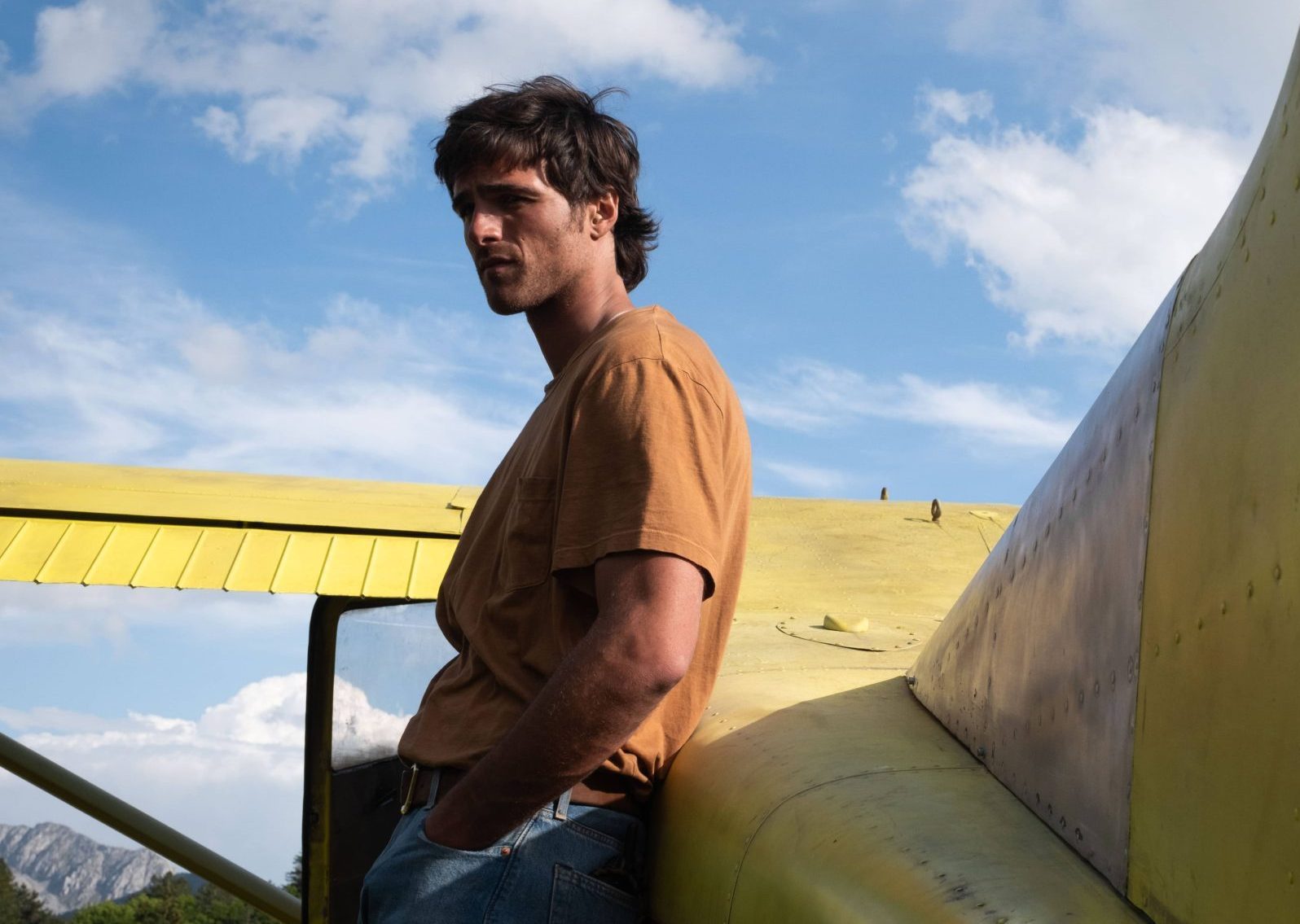
That emotional balance is largely carried by a cast that gives its characters surprisingly deep backgrounds and motivations. Jacob Elordi plays Hig, a pilot and survivalist who has become accustomed to living in a world where every decision can have consequences, but there is a sense that simply surviving is no longer enough for him. Elordi does an excellent job portraying someone who is closed off and often lost in his own thoughts, while still showing the weight of everything Hig has endured. You can see and feel the trauma that he carries with him as he navigates a world that has given him very few reasons to trust anyone.
That is especially apparent in Hig’s relationship with Josh Brolin’s Bangley, which becomes one of the film’s most compelling dynamics. The two have almost completely opposing worldviews, with Hig retaining a sense of curiosity and hope while Bangley approaches survival with a much harsher, more pragmatic mentality. Their interactions can be surprisingly lighthearted, but there is always a larger weight underneath them because both men understand just how dangerous the world around them has become. Their relationship gives the film some of its best moments, as the two very different people clash while attempting to figure out how to survive alongside one another. Some of my favorite interactions, interestingly, were between Hig and his dog, Jasper. A creature that doesn’t understand the apocalypse and simply yearns to give Hig company and protection, his role as a source of comfort for Hig in a lonely world was extremely heartwarming and he quickly became one of my favorite survival-movie-dog incarnation.
Margaret Qualley and Guy Pearce also add another welcome dimension to the world Scott has created. Qualley’s Cima and Pearce’s Pops give Hig’s isolated existence a sense of something larger beyond the small world he has built around himself. Their presence makes the post-apocalyptic setting feel less like an empty backdrop and more like a world where different people have developed their own ways of coping with what happened. Each feels like they have a history and a reason for behaving the way they do. The story itself is a meandering tale that has set pieces unexpectedly around every turn. The Dog Stars is less interested in racing from one major plot point to another and more interested in allowing its characters to grow while throwing new hurdles in front of them.
At the center of this tension is a question that the film repeatedly asks: how much can you really trust someone you don’t know? In a world where resources are scarce and other survivors can be just as dangerous as the environment itself, trust becomes a liability as much as it is a necessity. This idea in particular resonated with me as I saw the relationship between Hig and Bangley unfold, as Bangley’s instinct is to eliminate any potential threat rather than take a chance on someone whose intentions are unknown. Hig, meanwhile, represents the lingering belief that there has to be something worth reaching for beyond simply protecting what you already have.
What makes the film work is the way its action is tied to those emotions and motivations. The action sequences aren’t simply there to give the audience something exciting to watch; they carry the tension that has been building between the characters and the world around them. Even when the film slows down, there is a sense that the characters are constantly wrestling with questions of survival, purpose, and whether there is still something worth living for. Watching Hig navigate that struggle, while seeing the different ways the people around him respond to the world they have inherited, becomes an experience in itself.
The Dog Stars is at its best when it embraces the contradiction at the heart of its story: it is a movie about the end of life that is surprisingly interested in what makes life worth continuing. Ridley Scott gives the film a harsh and unforgiving world, but the performances give that world a humanity that keeps it from becoming completely hopeless. There are certainly moments that will remind audiences of other post-apocalyptic stories, but the film’s emphasis on character, companionship, and the search for purpose gives it an identity of its own. If you are willing to let the story unfold rather than waiting for the next big action sequence, The Dog Stars is a film that is worth seeing all the way through.
