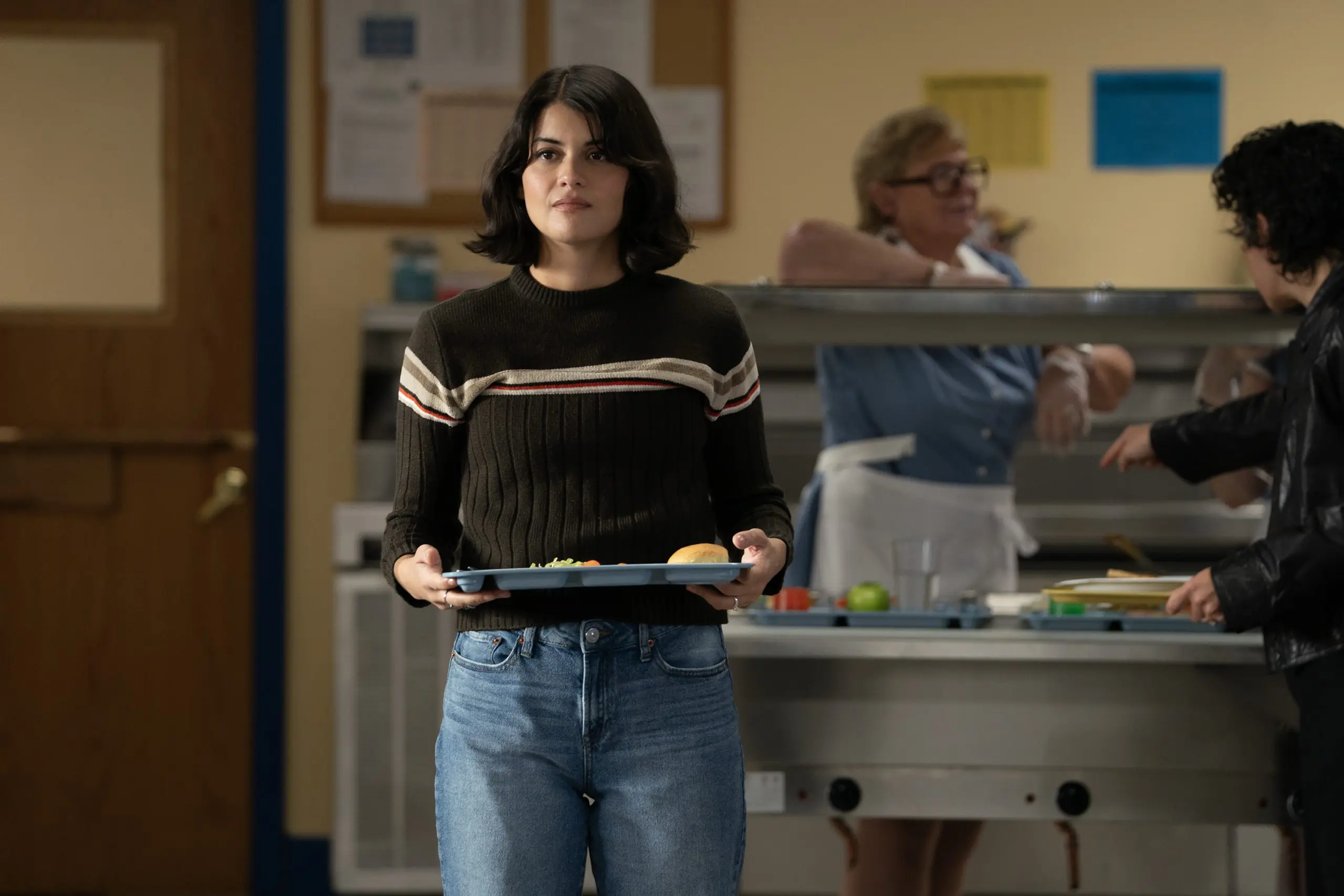
Imagine you were told that you had to go back to finish high school over 10 years after you graduated due to a legal loophole? That is the premise of Hulu’s ‘Never Change!’
Debuting at this year’s Tribeca Festival, Never Change! approaches its story through comedy, even though the material often feels like it would have worked better as a drama.
After a tornado destroys a high school in 2008, a bureaucratic loophole forces the graduating class to return nearly two decades later and complete the final weeks of their senior year. What follows is intended to be a comedy about millennials confronting the people they once were while navigating the realities of adulthood.
The film opens with one of its strongest comedic moments. A low-budget, video game-style recreation of the tornado ripping through the school establishes the absurdity of the story and immediately signals the tone writer and producer John Reynolds and director Marty Schousboe are aiming for. It is a genuinely funny introduction and one that suggests a sharp, self-aware comedy is on the way.
What follows is a bit more complicated.
As a comedy, Never Change! struggles to consistently deliver laughs. While there are a handful of amusing moments scattered throughout the film, many of the jokes fail to land with the same effectiveness as the opening sequence. The humor often feels restrained, leaning more on awkward interactions and character quirks than memorable punchlines. Some viewers may connect with that approach, but the film rarely generates the kind of sustained comedic momentum its premise seems designed to support.
Ironically, the movie’s greatest strength comes from elements that feel far more dramatic than comedic.
The screenplay is at its best when exploring themes of regret, personal growth, and the uncomfortable realization that adulthood rarely unfolds according to plan. The former classmates return to North Meadows High School carrying years of disappointment, unfinished business, and lingering questions about the lives they imagined for themselves. Those moments resonate because they feel authentic. Many viewers will recognize pieces of themselves in these characters as they reflect on missed opportunities and wonder what they would change if given another chance.
Schousboe’s direction deserves considerable credit for making those emotional beats work. He approaches the material with sincerity and restraint, allowing the characters room to breathe rather than forcing constant jokes into every scene. The performances benefit from that approach, creating a sense of realism that grounds even the film’s most ridiculous premise.
The writing is similarly effective whenever it focuses on the emotional realities of its characters. Conversations about aging, relationships, and unrealized ambitions carry genuine weight. There is a thoughtful, heartfelt story buried beneath the comedy, and those dramatic elements consistently prove more compelling than the humor surrounding them.
That creates an unusual viewing experience. The more Never Change! leans into comedy, the less effective it becomes. The more it explores the emotional consequences of revisiting the past, the stronger it gets. By the time the story reaches its conclusion, it feels as though the film is pulling in two different creative directions. One version wants to be an offbeat comedy. The other wants to be a reflective drama about adulthood, regret, and second chances.
The latter is the more interesting movie.
Even with its uneven comedic execution, Never Change! remains an easy film to appreciate. Schousboe’s confident direction and Reynolds’ thoughtful writing give the story a level of sincerity that keeps it engaging throughout. While the film never fully succeeds as the comedy it sets out to be, it succeeds in something arguably more meaningful.
It tells a relatable story about growing older, looking backward, and finding peace with the person you’ve become. Had it embraced those dramatic instincts more fully, Never Change! might have been something truly special.
