The first thing you see at the United Nations isn’t a flag, it is a bronze statue of Nelson Mandela. His arms are thrown open as if mid-greeting.
This gift from South Africa meets you before anyone else — a man who gave his life for human rights, looking glad you came.

Photo by The Knockturnal
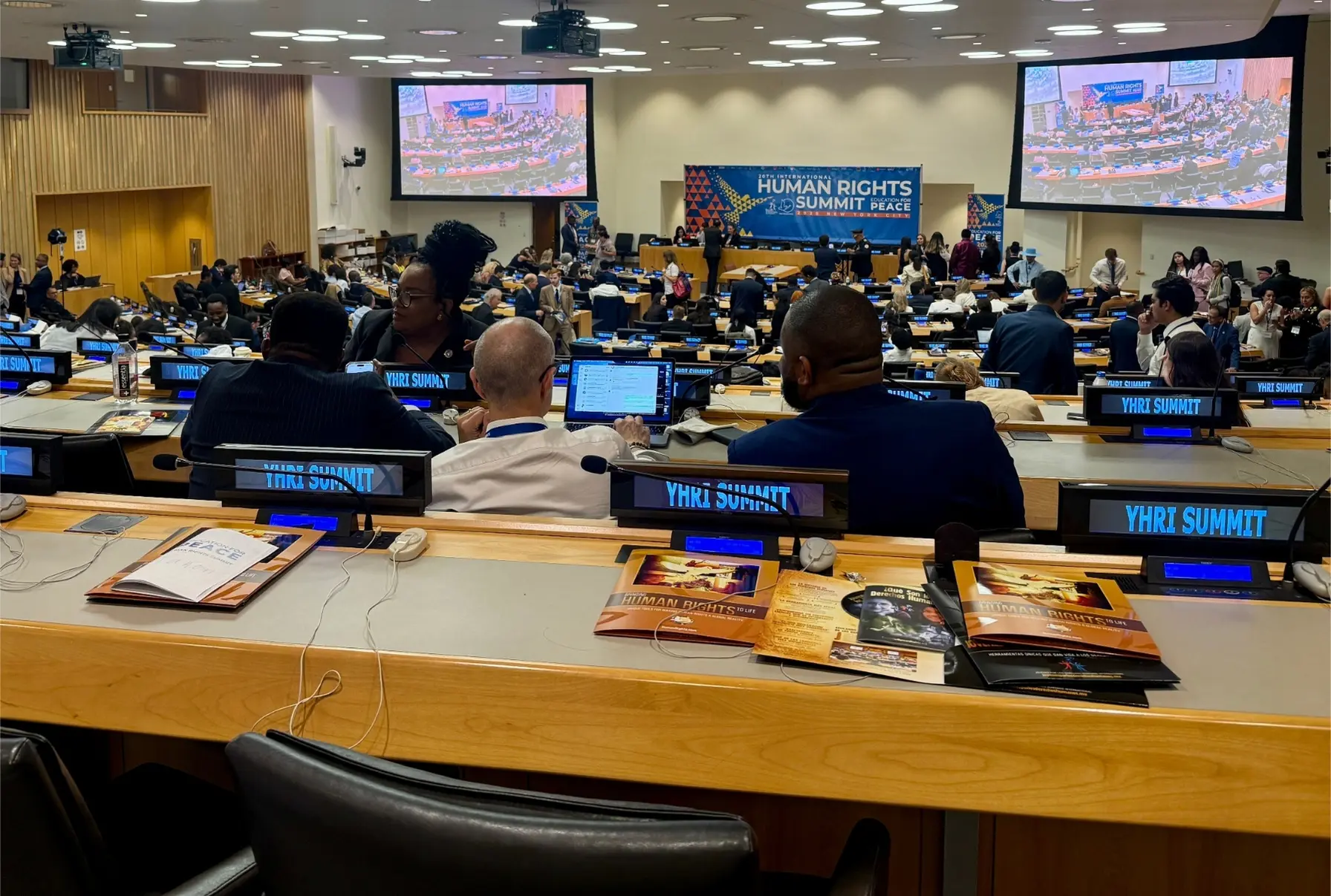
Just past him, a lobby lined with art leads to the elevator down to the conference level, where the real gathering was already moving. There, desks stretched in curved rows, each one fitted with a headset for translation and a nameplate reading YHRI Summit.
Young leaders, seasoned activists, and international diplomats filed in from the rain, badges still damp. This was, after all, the opening day of the 20th International Human Rights Summit. Youth for Human Rights International organized the two-day event to pursue one goal: ensuring the 1948 Universal Declaration of Human Rights stays relevant. In other words, it cannot just become history that nobody reads.
“Universal means every person. So no matter your status, no matter anything,” said Beth Akiyama, a leadership member of the organization.
Meanwhile, in a room full of standard lanyards and blazers, Adeola Shonubi stood out immediately. Her crown caught the light, making her impossible to miss. At first glance, people might clock that crown and file it under spectacle. Shonubi serves as the 1st Princess, or Deputy Queen, of Miss Africa USA. However, the pageant pursues a deeper mission. Specifically, it aims to elevate the narrative of the African woman by focusing on inner excellence and community service rather than just outward beauty.
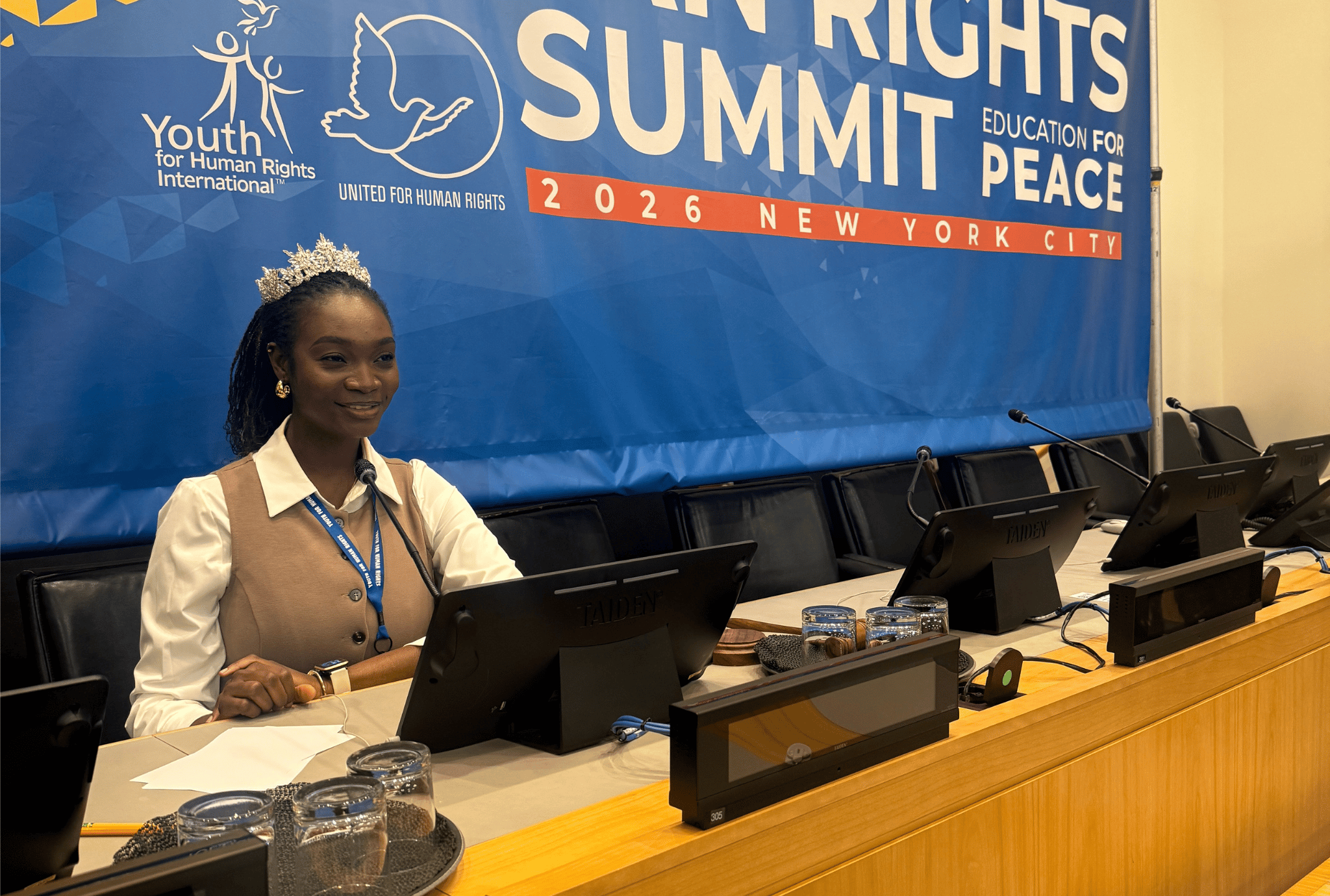
Photo by The Knockturnal
Dr. Kate Ndi founded Miss Africa USA and directs Miss Universe Ghana. Watching her and Shonubi navigate this global policy space, the pairing made perfect sense. After all, the summit spent two days insisting on every person’s right to a voice. Similarly, Miss Africa USA hands a voice to specific women and sends them out to use it.
“This is a mission I take very strongly,” Dr. Ndi said. “Having girls in rooms and spaces where they usually wouldn’t get that opportunity to speak and advocate.”
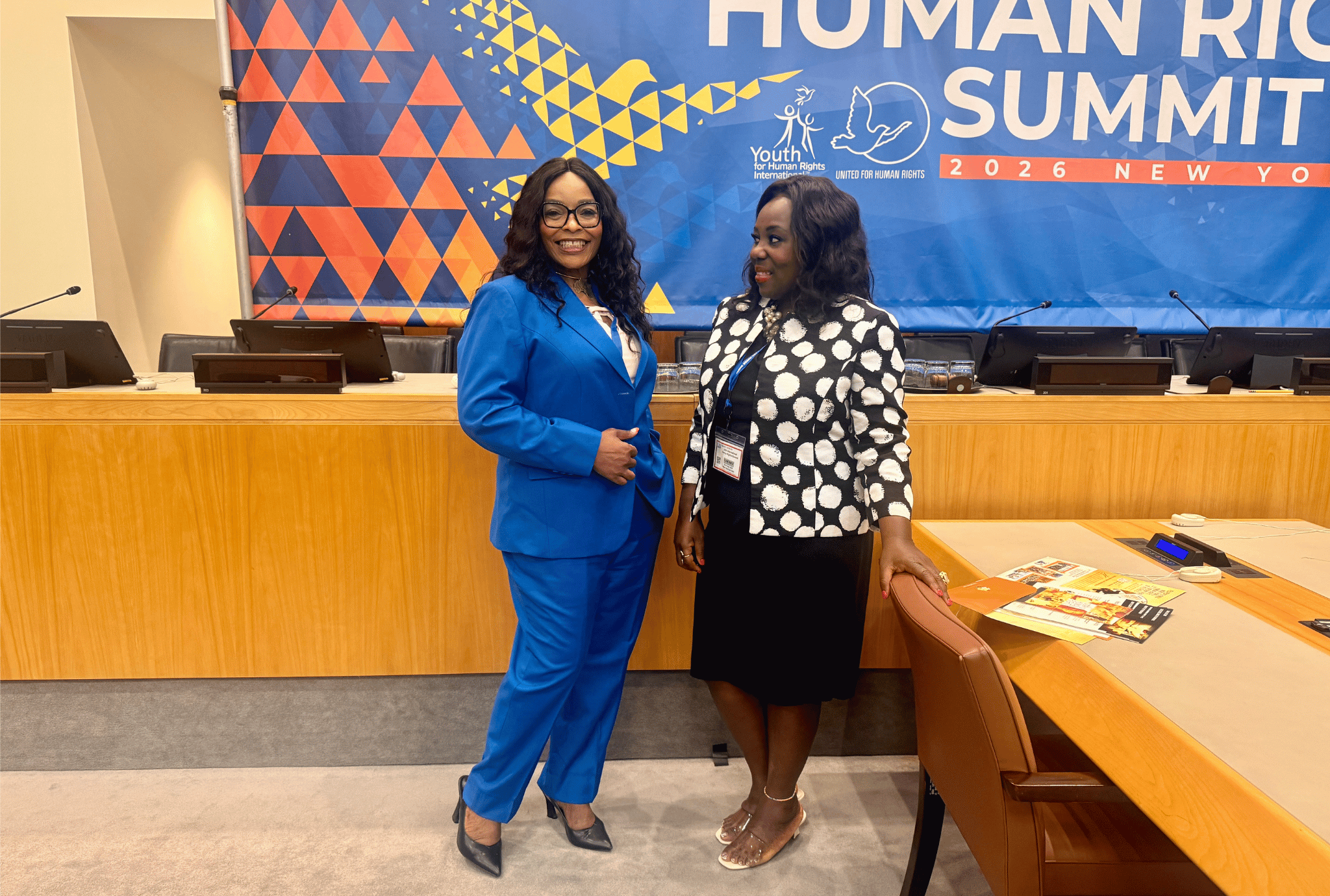
Photo by The Knockturnal
Shonubi is still in her early twenties, yet she already founded the Oriade Foundation. This organization centers on women’s empowerment, youth leadership, and fighting poverty. Talking to her, it was clear the crown wasn’t her only credential; her work already spoke for itself.
Beyond her foundation’s work, talk turned to identity — the heavy cost of carrying multiple identities at once, and the pressure the world places on diverse leaders to assimilate. Even so, Shonubi didn’t hesitate.
“Being different is what makes you unique,” she said. “If you’re in a pack of a whole lot of people, and you’re different, that alone is a privilege for you to represent. You represent not just yourself, not just your country, but the continent of Africa as well.”
Ultimately, this was a perfect note for a room built on a simple idea: varying perspectives solve problems that a single vantage point cannot. A pageant queen and a policy room, it turned out, share the exact same mission — they just take different doors to get there. The summit only happens once a year, but the work carried out of that room never stops.
