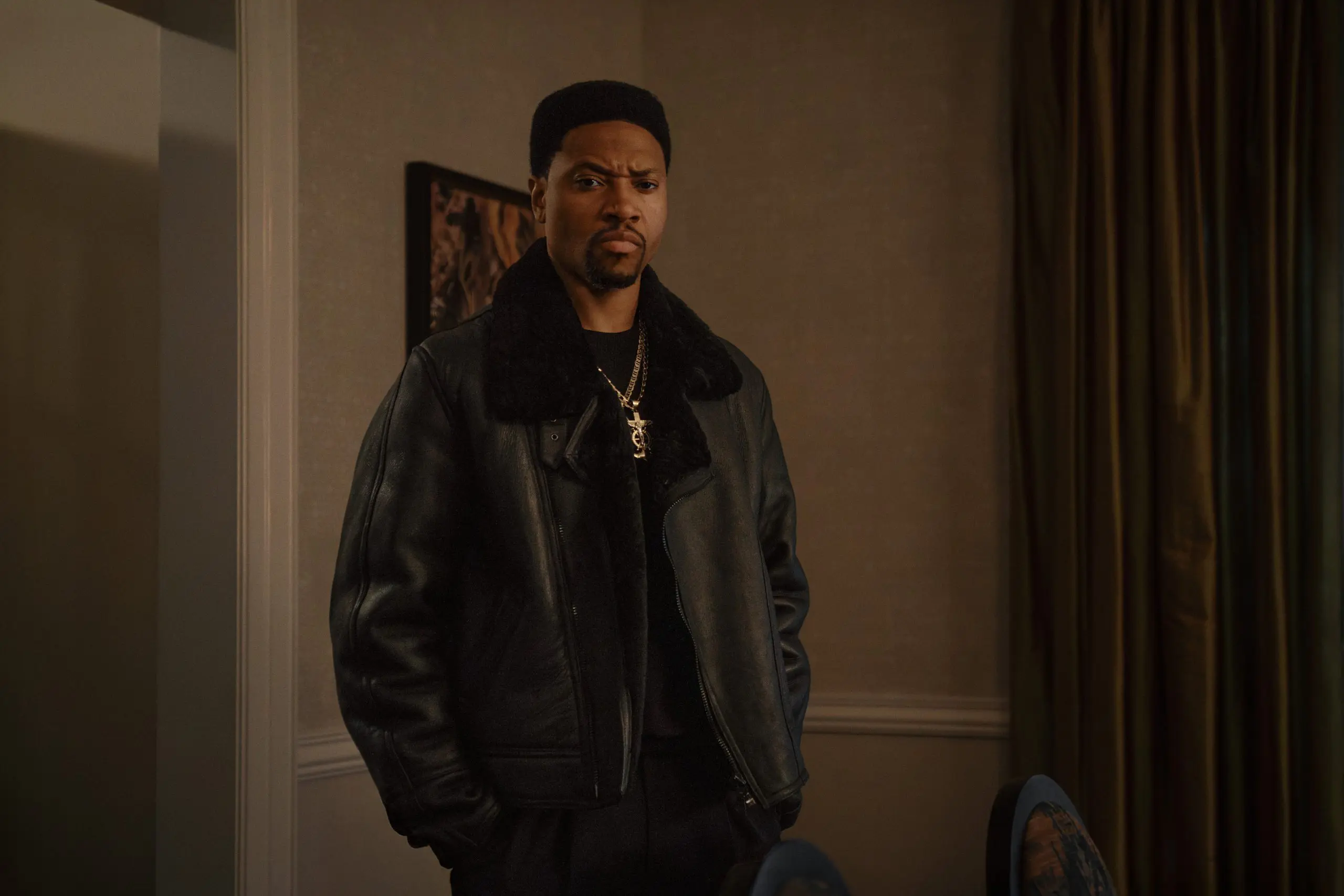
After four seasons of bringing Marvin Thomas to life, London Brown has officially said goodbye to one of the most beloved characters in Power Book III: Raising Kanan.
Marvin’s shocking death marked the end of an emotional journey for both the character and the actor, leaving fans to process the loss of a man who evolved from one of the series’ most unpredictable figures into one of its emotional anchors.
Speaking following the episode, Brown shared his perspective on Marvin’s final moments and explained why he believes the character accepted whatever was waiting for him when Kanan confronted him.
Brown never viewed Marvin as someone who would run from danger. Throughout the series, Marvin repeatedly showed that fear was never part of his personality, and that mindset carried into his final scene.
“Marvin understands what he was up against,” Brown said. “He wasn’t afraid of Kanan. He’s still his nephew. Marvin was with whatever Kanan wanted to be on. Marvin stands on what he stands on. He’s not running from anything.”
Brown explained that Marvin’s calm demeanor during the confrontation reflected years of experience rather than resignation. Instead of reacting with panic, Marvin remained composed because he understood the reality of the situation. Even in his final conversation, he continued trying to offer Kanan advice, reminding him that living with the consequences of his actions would ultimately become the greater burden.
One of Marvin’s final interactions came with Flossie, a relationship that viewers believed could eventually become something more. Brown acknowledged that audiences picked up on romantic undertones, although he viewed their connection through a different lens.
According to Brown, their bond was rooted in shared grief. Flossie was mourning the loss of her daughter while Marvin continued carrying emotional scars of his own. Those experiences created an understanding between the characters that did not require lengthy conversations. Brown also praised his scene partner for bringing additional layers to the relationship, noting that her performance added complexity that audiences quickly recognized.
Preparing for Marvin’s death carried an emotional weight beyond the script. Brown revealed that filming the scene coincided with an incredibly difficult period in his personal life, where he found himself attending funeral after funeral during 2026.
“Emotionally, bro, I just came from a funeral. I got another funeral. I can’t make this stuff up,” Brown said. “I’m just trying to play the moment and play it in truth.”
Those real-life experiences influenced his performance, allowing him to approach Marvin’s final moments with honesty rather than theatricality. Brown wanted Marvin to keep fighting until the very end because that determination defined the character throughout the series. Looking back, he admitted there was one small detail he wishes had made the final cut. He joked that Marvin should have given Kanan the middle finger before dying, saying it would have been one last act of defiance fitting for the character’s personality.
As fans continue discussing Marvin’s legacy, Brown hopes viewers remember him as more than an enforcer caught in New York’s drug trade. He spent four seasons searching for the humanity beneath Marvin’s rough exterior, making him someone capable of growth, compassion, humor, and regret.
“I just want people to feel something,” Brown said. “I wanted to create a character that came with layers that make him human.”
Brown also laughed at the idea that he always knows what is coming next in the series. He explained that actors often film alternate versions of scenes and shoot episodes out of order, meaning they experience many twists at the same time viewers do. For Brown, Marvin’s journey has always belonged as much to the audience as it did to the cast. Judging by the reaction to his final episode, his performance left an impact that will remain one of the defining stories in Raising Kanan.
