At the 64th New York Film Festival, Pedro Almodóvar and Sofia Coppola held one of the most dynamic conversations of the annual beloved cinema celebration in the Big Apple.

At the 64th New York Film Festival, Pedro Almodóvar and Sofia Coppola held one of the most dynamic conversations of the annual beloved cinema celebration in the Big Apple.

What better way to celebrate a new sound system than to let the music do the talking? SONY brought guests to Kimpton Hotel in Midtown to experience the just-launched ULT POWER SOUND Series and decide for themselves if it lives up to the hype.
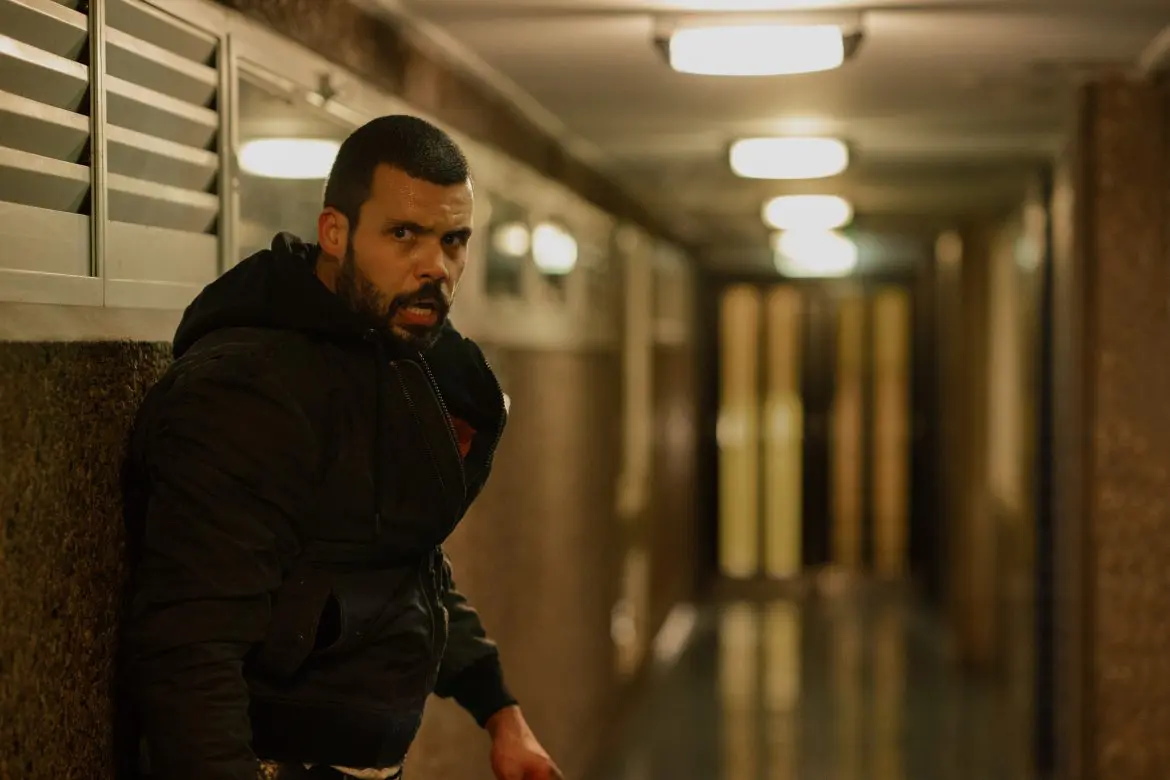

Daniel Seavey’s Live on the Loop show took place this Thursday at the iconic Blue Note Jazz Club in New York.
The multi-platinum singer-songwriter and record producer hit the stage for back-to-back shows starting at 8:00pm.
Seavey first incorporated a looper pedal into his live show during his sold-out solo Second Wind Tour last year in support of his debut album. The tour included 34 shows across North America, Europe, and Oceania.
His captivating one-man performance of layering vocals and multiple instruments in real time have consistently gone viral on social media, with clips amassing millions of views, and further establishing his reputation as one of pop’s most dynamic live performers.

Photo by Dervon Dixon
At Blue Note, Seavey took the concept one step further with his first full-length live set using only the looper pedal and a rotating collection of instruments including the cello, guitar, and drums.
Kicking off with “Gateway Drug,” Seavey immediately brought arena-level energy to the intimate venue. He breezed through “Leave Me Alone,” followed by an emotional rendition of “I Tried” on the cello.
He then turned the set over to the audience, taking fan suggestions for his popular cover segment. Fans chose Harry Styles’ “Late Night Talking” and Maroon 5’s “She Will Be Loved” during the first show, while the second featured Olivia Rodrigo’s “The Cure” and Miley Cyrus’ “Party in the U.S.A.”
The audience was also treated to performances of his two new singles, “Dream Crusher” and “Savior,” ahead of their midnight release. Both tracks appear on Seavey’s new EP, alongside the previously released singles “Time to Time (Annie)” and “Love’s a Gun,” the latter of which has become one of his biggest hits to date.
Seavey concluded his set at Blue Note with an energetic rendition of “Blame It on You.”
The crowd was filled with devoted fans who sang along to both released and unreleased songs throughout the night. Jonah Marais, his former Why Don’t We bandmate, was also in attendance.
Reflecting on the night, Seavey expressed excitement for what lies ahead.
“I’m so happy with how it turned out,” he said. “The energy in that room was just unbelievable. I did two new songs and the fans already knew all the words, and that was unreal.”
When asked about what’s next, he kept it simple: “A lot of touring and a lot of music being written. It’s onward and upward from here.”
With over 290 million global streams and 2.3 million monthly listeners on Spotify alone, Daniel Seavey is stepping into the next phase of his career with momentum.
On October 2, he’s set to appear on the inaugural lineup of the Yours Always Music Festival in Salt Lake City, Utah, performing alongside former tourmates Benson Boone, Sombr, and other major pop, indie, and alternative artists. Keep up with Daniel Seavey here.
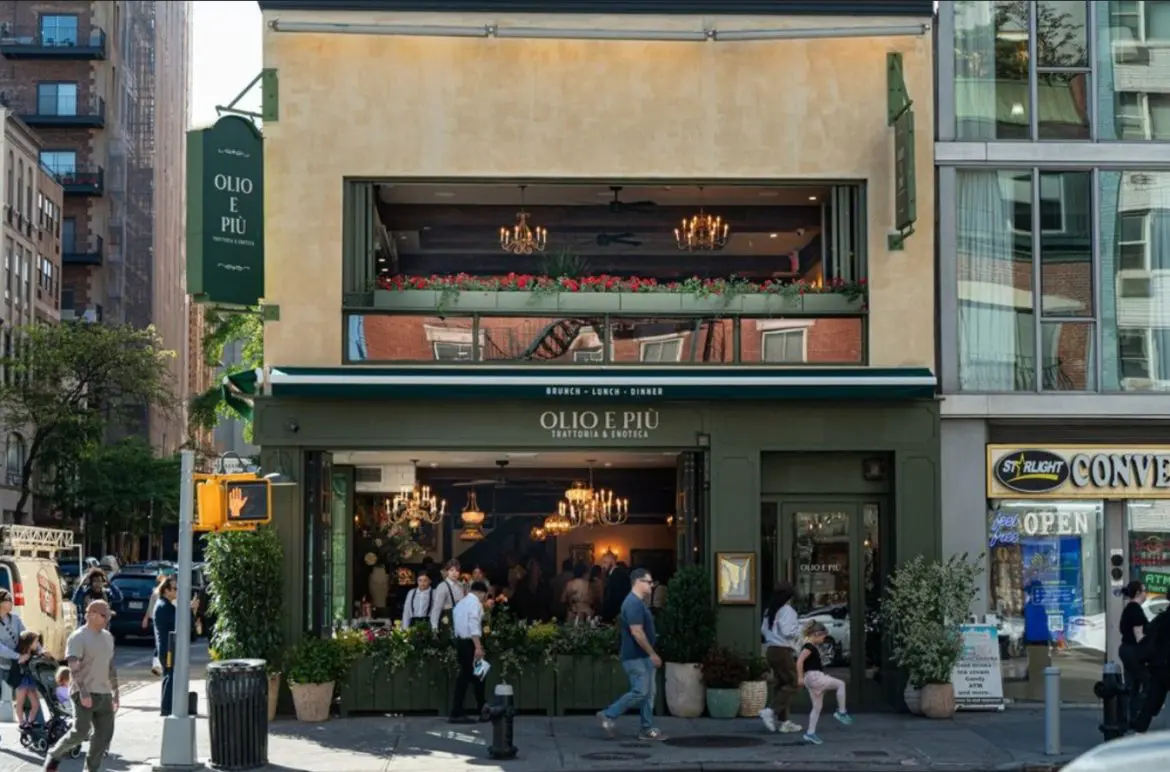
Olio e Più has opened its newest Italian restaurant location in New York City, a striking two-story corner restaurant in the East Village that stands out in one Manhattan’s most dynamic dining neighborhoods.
Tribeca Festival rocks (and rolls, raps and plays all the music of the world in perfect harmony.
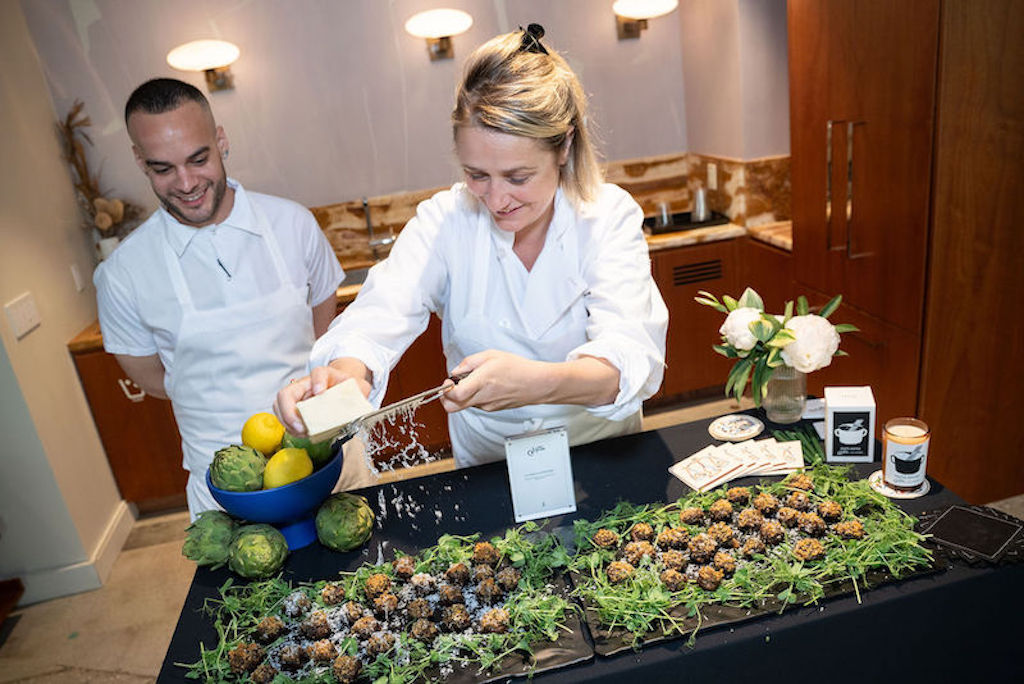
The Great White Way is going to love to sink their teeth into this. Broadway’s biggest night will be followed by a grand soiree filled with the most delectable servings and culinary delights found at Rockefeller Center.

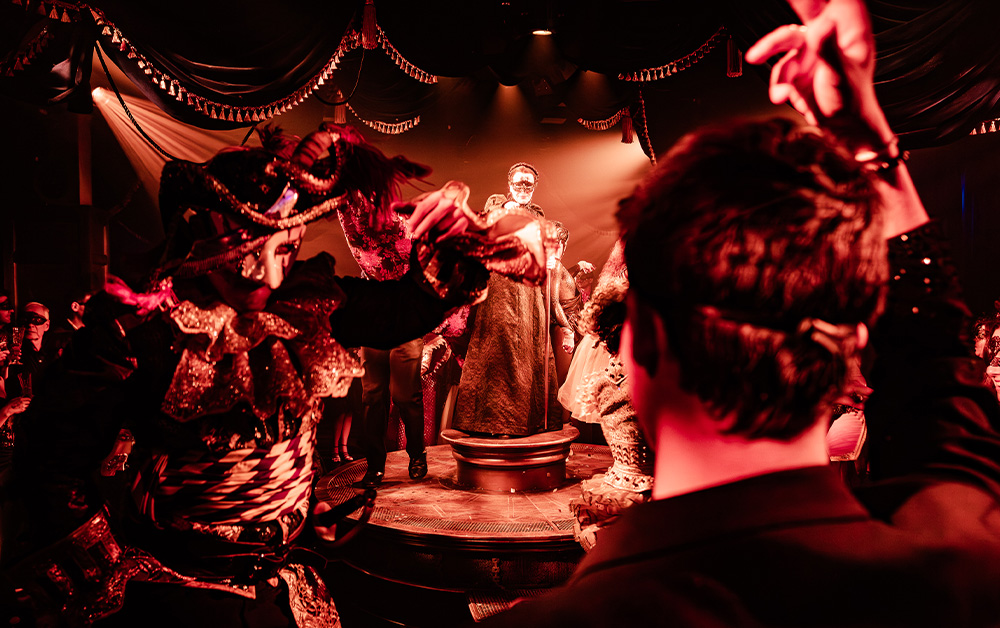
Someone once described theater to me as escapism in its purest artistic form a place where audiences can shed inhibitions and fully immerse themselves in the show. So, we must ask the question: How does the mastermind behind New York City’s hottest new theatrical experience push this idea even further, past the point of no return? The answer isn’t as clear as it might seem.
In fact, it may require us to look beyond the mask.
Tucked inside what appears to be just another historic building in New York City is Randy Weiner’s newest creation, Masquerade, a reimagining of Andrew Lloyd Webber’s Broadway juggernaut The Phantom of the Opera. But Masquerade does more than bend the rules of theater, it breaks them, dissolving the traditional boundaries between audience and performer. Here, spectators are not merely observers; they are placed directly inside the story, immersed in Christine Daaé’s haunting encounter with the Opera Ghost.
For Weiner, the seeds of this immersive vision were planted early. Born in New York City and raised by a devoted theater enthusiast, he spent his childhood steeped in performance. His father often took him to see two shows a day, embedding in him a deep connection to the Broadway world. By the time he reached college, Weiner was already experimenting with form turning his dorm room into an unconventional performance space.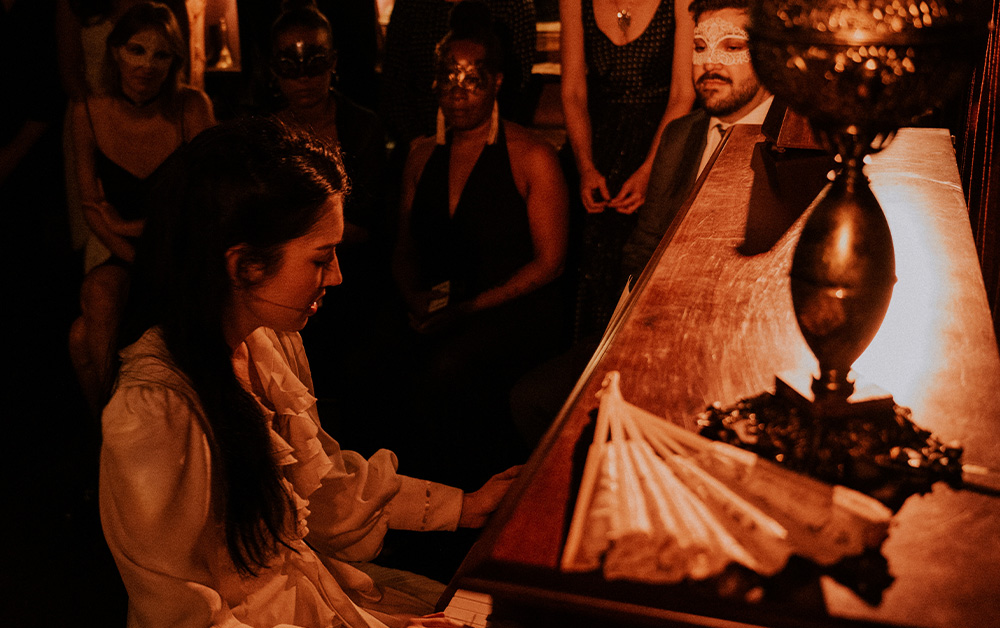
And does he succeed in that goal? Well, as the doors swung open and the hands of a woman we would soon recognize as our Christine Daaé (Riley Noland) guided us into a party once reserved for the stage, a sense of freedom lifted us. I glanced over at my friend, saw him smiling, and in that moment, I knew we would carry this moment with us for the rest of the night. From being sacrificed at a hellish carnival to an improvised dance class taught by Madame Giry herself, we were invited deeper into the mind of Weiner, falling more in love, like Daaé and Raoul. We were left wanting to live permanently in this world.
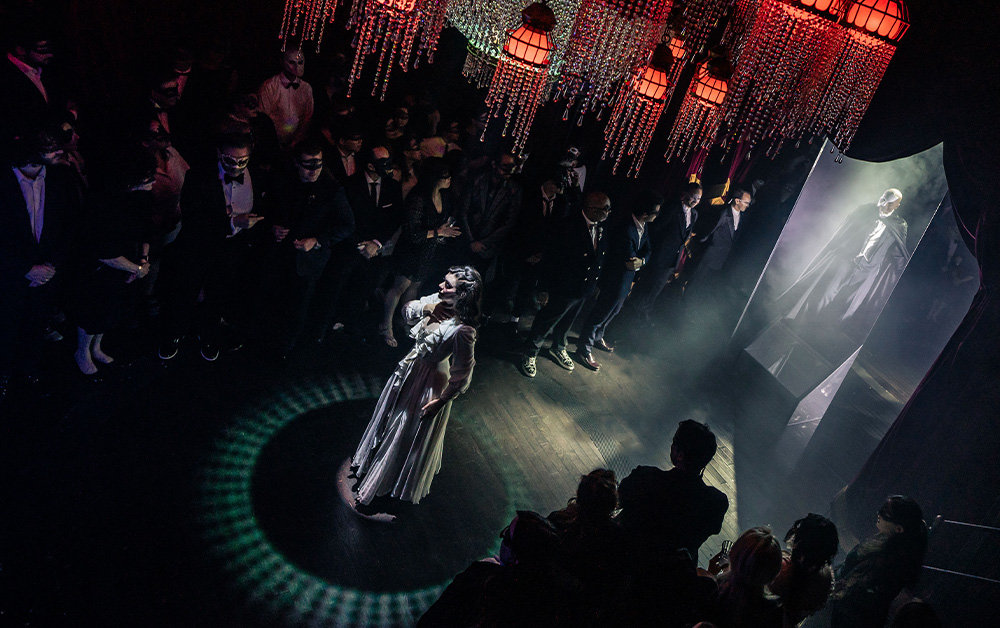
“You are used to actors interacting with each other, not them interacting with you. The way people would describe my experience is like it happened to them. And they would describe it like a vacation in another city like I did this and I did that, as opposed to they did that on the stage.”
Masquerade is not just a retelling, but a transformation of a classic tale. One that challenges audiences to step inside the story itself, blurring the line between spectator and participant. In Masquerade, the mask is no longer a barrier. It is an invitation.
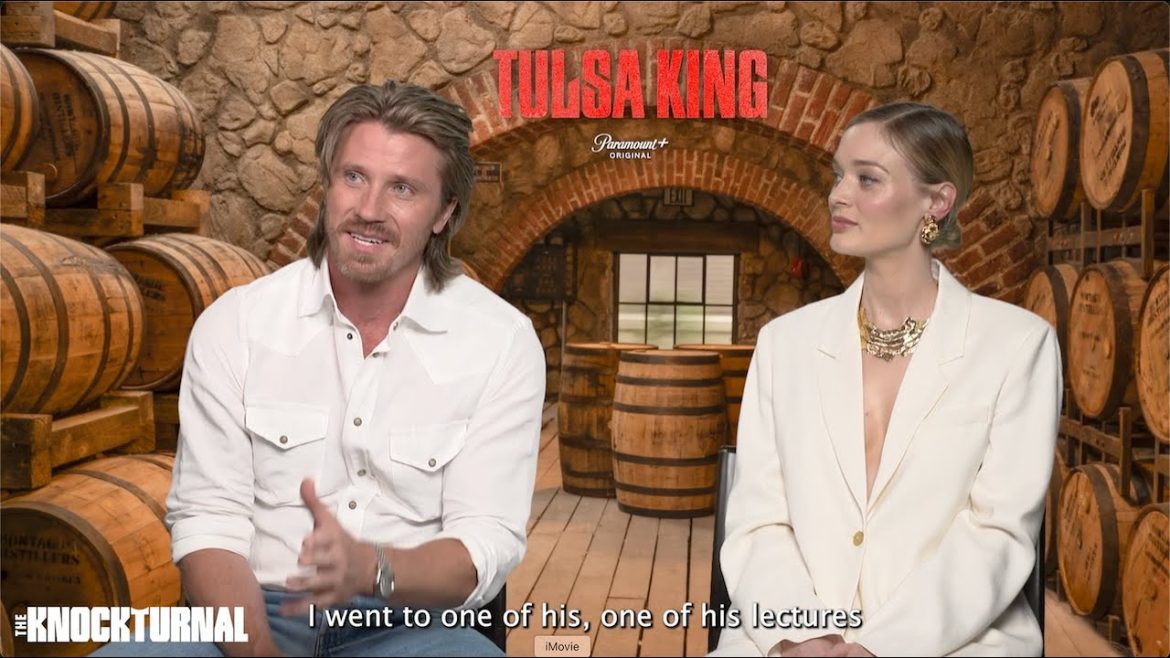
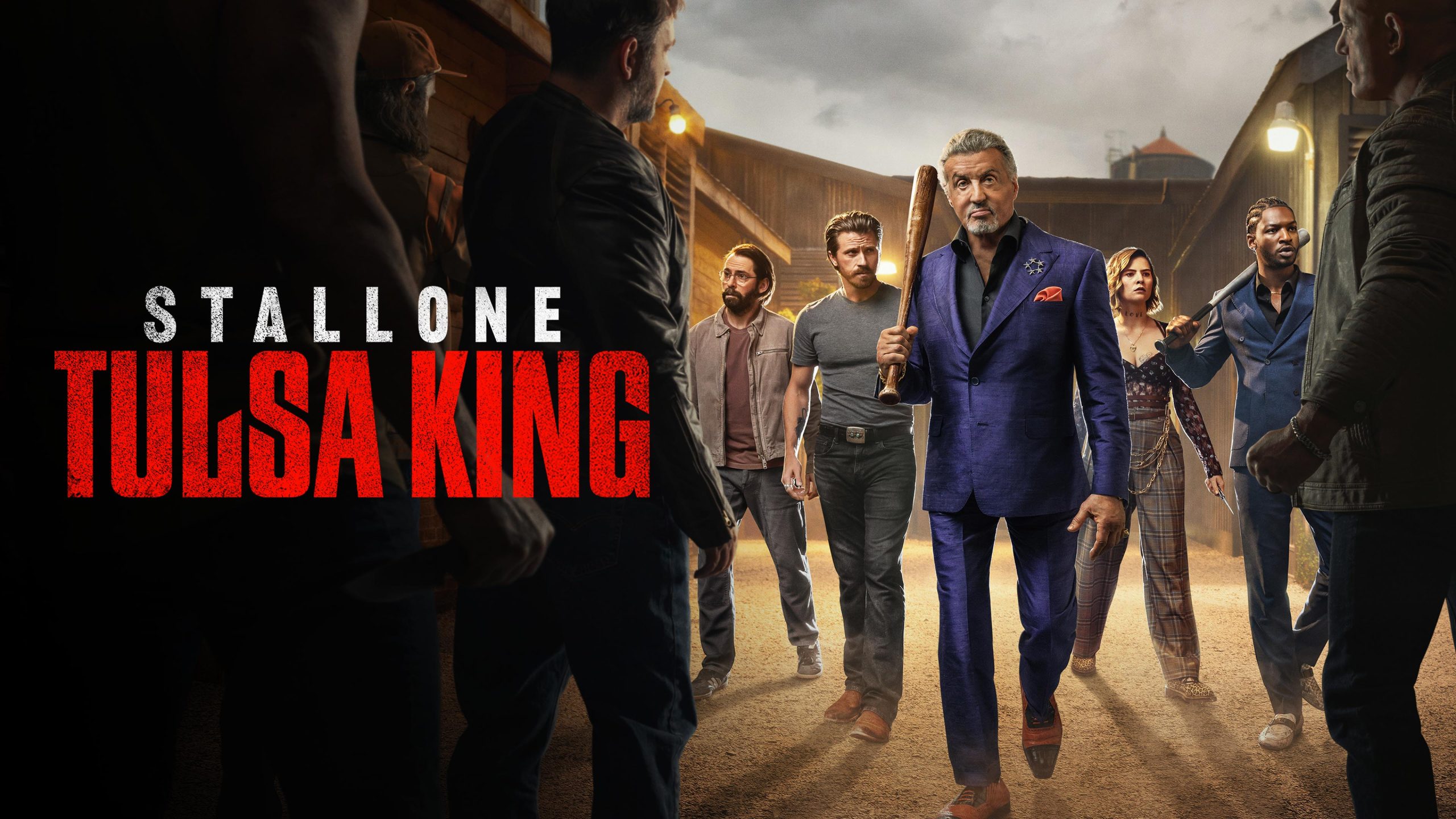
Garrett Hedlund, Bella Heathcote, Dana Delany, Kevin Pollak, Jay Will, Annabella Sciorra, and Martin Starr break down the tone, the chemistry, and the chaos behind one of TV’s most entertaining crime dramas.
by Jai Singh Nanda
Some crime shows want to feel dangerous.
Others want to feel important.
Tulsa King doesn’t really worry about either of those things. It just wants to be good television.
And that confidence is exactly why it works.
From the moment the show dropped Sylvester Stallone into Tulsa as Dwight “The General” Manfredi, it found a rhythm that felt different from most modern crime dramas. It had the structure of a mob story, sure, but it also had humor, looseness, and a kind of personality that most shows in this space tend to sand down.
By the time season three rolls around, that identity is fully locked in.
The world is bigger now. The cast is deeper. The stakes are higher. But the tone, that balance between danger and fun, remains the engine that drives everything.
After speaking with multiple members of the cast, including Garrett Hedlund, Bella Heathcote, Dana Delany, Kevin Pollak, Jay Will, Annabella Sciorra, and Martin Starr, one thing became clear.
Everyone understands exactly what kind of show this is.
And more importantly, how to play it.
One of the first things that came up in my conversation with Garrett Hedlund and Bella Heathcote was tone.
When I asked what Tulsa King demands from them as performers that other projects haven’t, Garrett’s answer cut right to the point. This isn’t a show that benefits from being played too heavily. If you lean too far into seriousness, it starts to feel off. The better approach is to relax into it, trust the rhythm, and let the character exist without forcing the weight of it.
That idea explains a lot about why the show feels so watchable.
It’s not that the stakes aren’t real. It’s that the show doesn’t suffocate under them.
Bella added another layer, talking about how her character carries emotional weight while still maintaining a sharp, flirtatious energy. Instead of collapsing into grief, she gets to hold both sides at once. That balance, being able to carry something difficult without losing the character’s edge, is something the show allows across the board.
And that’s a big part of what separates Tulsa King from other crime series. It doesn’t trap its characters in one emotional lane.
At a certain point, every conversation circled back to the same person.
Sylvester Stallone.
It wasn’t even intentional. It just kept happening.
Bella shared a moment that was both funny and relatable. She spent the entire season trying to work up the nerve to ask for a photo with him, finally doing it through his daughter. When it finally happened and he threw up the classic Rocky pose, she said she completely melted.
Garrett’s story went in a totally different direction. He talked about spending time with Stallone discussing philosophy, Stoicism, and literature. The way he described those moments, you could tell that’s what stuck with him the most. Not the spectacle, but the quieter conversations.
And then talking to Dana Delany and Kevin Pollak, the stories kept evolving.
Dana described how Stallone still approaches scenes like a director, constantly checking playback, adjusting, refining. Kevin remembered his first day watching a scene back with him, where Stallone joked about spinning off their characters together. It was the kind of moment that immediately puts you at ease while also reminding you who you’re working with.
By the time I got to the third group, Jay Will, Annabella Sciorra, and Martin Starr, the stories became less specific but the point remained the same. Stallone changes the energy of the set.
He’s not just the lead.
He’s the center of gravity.
There’s a moment in my last interview where I asked what makes Tulsa King different from all the other crime stories out there.
One of them immediately said, “We have Sylvester Stallone.”
It got a laugh, but it wasn’t really a joke.
Because that’s a huge part of it.
There’s a certain kind of presence that very few actors still bring to the screen. Stallone has it. The show leans into it. And everything around him is built to support that energy.
But it’s not just about him.
The supporting cast understands how to exist around that presence without getting swallowed by it. They play off it. They react to it. They let it elevate the scene instead of trying to compete with it.
That kind of balance doesn’t happen by accident.
Season three also feels bigger.
New characters, new dynamics, new tensions. The world is expanding in a way that feels natural rather than forced. You can feel the show stretching outward, introducing new players while still keeping its core intact.
Dana pointed out how excited she was for audiences to see Kevin Pollak come into the mix. Jay Will talked about the influx of new talent and how it adds new energy to the story.
That expansion matters.
A lot of shows struggle once they grow past their original setup. They either overcomplicate things or lose what made them work in the first place. Tulsa King manages to avoid both.
It adds without overcrowding.
If there’s one thing that really defines Tulsa King, it’s this:
It’s funny.
Not in a way that undercuts the stakes, but in a way that makes everything more engaging.
When I threw out some more offbeat questions, like whether they’d let Dwight into their house or what they’d do after getting out of prison, the answers were all over the place. Some said they’d let him in. Some said absolutely not. Some joked about making him coffee. Others were ready to call the cops immediately.
That range of responses actually says a lot about the character.
Dwight isn’t just dangerous.
He’s unpredictable.
And that unpredictability creates a kind of tension that doesn’t rely on constant violence. You don’t know how things are going to go, and that’s what keeps it interesting.
By the end of these conversations, the takeaway was pretty clear.
Everyone involved in Tulsa King understands the tone.
They know it’s not supposed to be played like a traditional crime drama. They know it needs that looseness, that swagger, that ability to move between humor and tension without getting stuck in either.
And most importantly, they seem like they’re having a good time.
That matters more than people think.
Because when a show feels like it’s enjoying itself, the audience does too.
Tulsa King isn’t trying to reinvent television.
It’s not trying to be the most serious show on air.
It’s just trying to be entertaining.
And at this point, it’s gotten really good at that.
Season three builds on everything that worked before, expands the world in smart ways, and continues to lean into the one thing that makes it stand out.
It knows exactly what it is.
And it doesn’t overthink it.