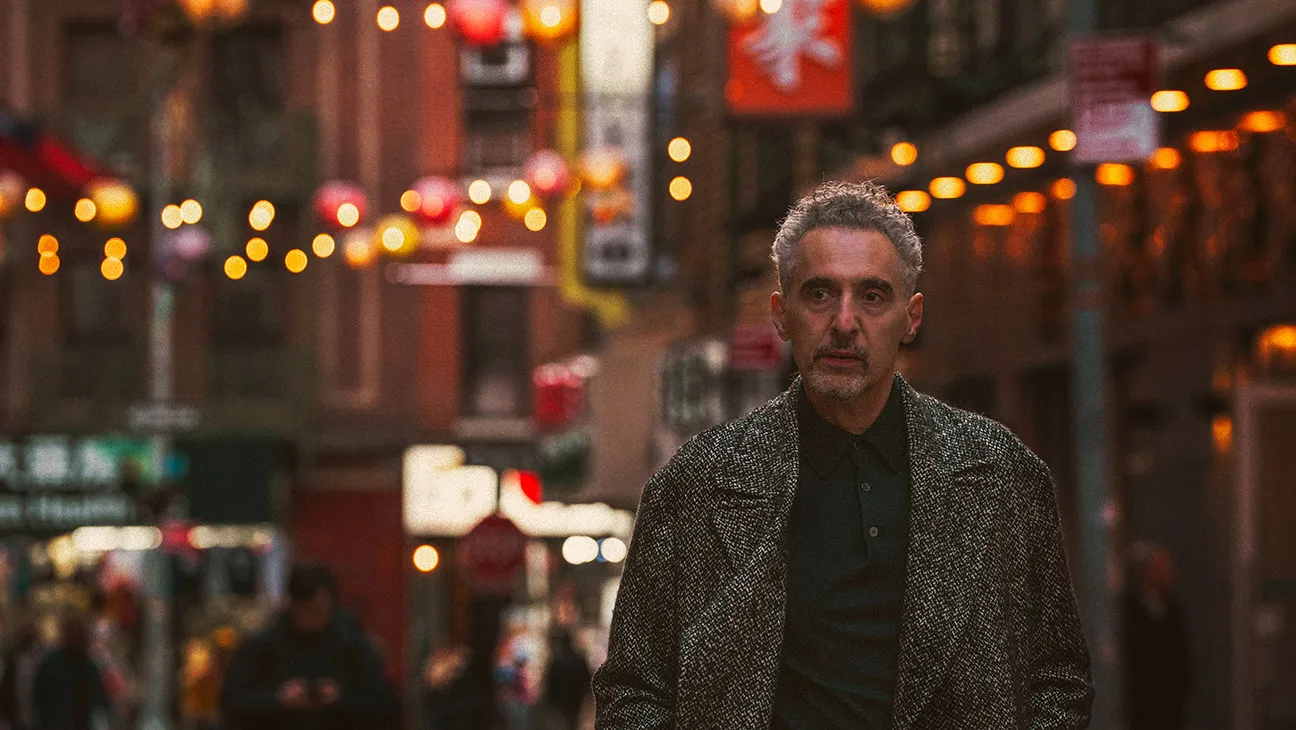
At the New York Film Festival, The Only Living Pickpocket in New York stood out as a compelling exploration of New York City, changing times, and the lives of those society often overlooks. Through interviews with the director and cast, the film emerges as a heartfelt reminder of the importance of human connection, empathy, and understanding.
With the New York Film Festival in full swing last week, each and every day was filled with some of the best works of cinema this year, with impressive personalities in acting, producing, and directing in attendance. One of the most riveting projects that piqued our interest this year was the film The Only Living Pickpocket in New York, written and directed by Noah Segan. Along with being able to experience this project early in a screening, we were also able to interview the director and several of the cast members themselves, adding to our understanding of the process that went into making the film.
This movie was perfect for being given a deeper look. While the surface-level story was an engaging, action-packed thriller, there were far subtler notes to the film that were ripe for discussion. Take, for example, the way the actors weave through all five boroughs of New York City in an almost tour-like fashion, traversing every layer of the city from the down-and-gritty to the rich-and-corrupt. In a way, the city itself is a character in the film, pushing and pulling at the main protagonist, played by John Turturro, often aiding or hindering his mission. Filmed on-site for the duration of the film, the director made it a mission to remain authentic to the city and everything that comes with it. “[We were] trying to allow everyone who’s made the movie to speak from their version of what New York is, because we can tell when you’re not real,” Segan explained. In the film, everything from the food trucks to the homeless to the myriad of personalities and interwoven lives that often cross on something as simple as a subway ride is represented in vivid detail, constructed by someone who could only have experienced it all firsthand. As Will Price, who plays Dylan in the film, put it, “When you shoot in New York and you shoot on the streets, you can’t fake it. You feel the city creeping into the frame of the movie; it takes on a different life.”
This backdrop to the film was absolutely perfect for the high-stakes plot, which has John Turturro sent on a wild goose chase around the city to retrieve an item that could mean the difference between the life and death of a loved one. While his character, Harry, is a criminal, the audience still roots for him because it is clear to everyone that he is from a bygone era, and every new day that passes is another day that he is further alienated from the current day. This is why this movie is not “good guy vs. bad guy” but rather old era vs. new; this is very clearly seen in Harry’s relationship with Detective Warren, who is also on the verge of being pushed out of the police force that he so lovingly spent the majority of his life working for. “The digital world has come in and slammed him,” Giancarlo Esposito, who plays Warren, remarks. These two, while on opposite sides of the law, understand that their rule is over and that they must stick together. “People are people,” Turturro explained. “A lot of these pickpockets come from broken homes, orphanages, rough lives, and it’s a violation, but it’s a nonviolent crime… It’s about how someone’s willing to sacrifice themselves and navigate a world that’s completely changed around them.” In that way, while still a criminal, Harry is represented as a hard-working guy who is simply doing what he must to survive: he does not relish in it.
The film thus gives us something to think about in terms of our own place in the lives of those who surround us and the legacy we will leave behind. What was normal life to those before us is antiquated now, and what we know today may very well be old news in the coming years. The message is clear, however: everybody is a person, and everybody deserves to be heard or to be taken seriously and respected. One of the biggest mistakes that Dylan in the film makes is not giving enough thought to Harry and what he has been through, and perhaps showing him some mercy; this then eventually leads to his downfall. “It really is about a connection,” Esposito carefully puts it. “When you look in someone’s eyes and you go, ‘Are you okay?’, that doesn’t happen a lot anymore.” The film serves as a hopeful plea to care for each other, help each other up, and never forget that we really are all on the same side.
