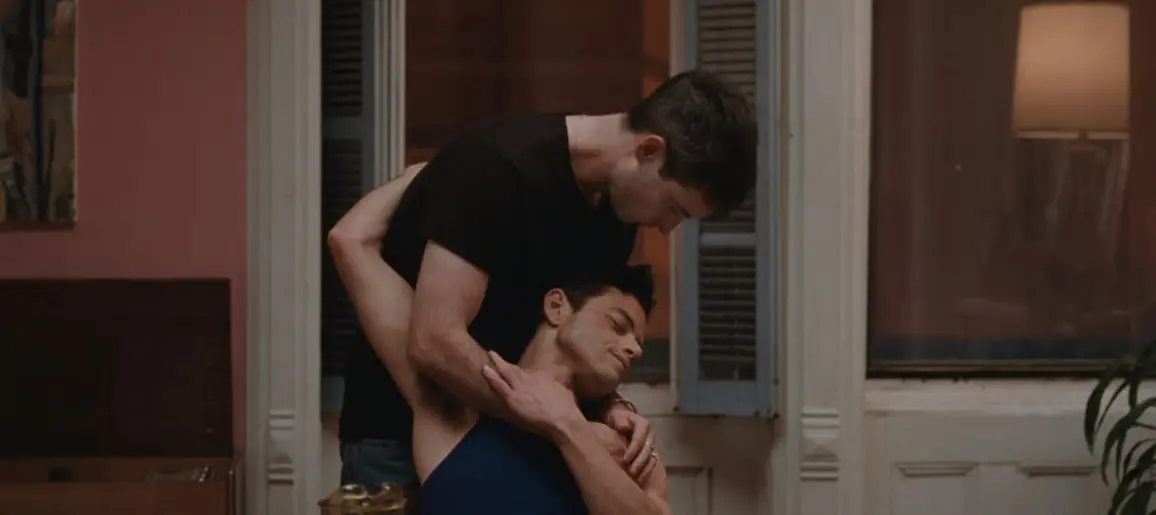
‘The Man I Love’ made its New York premiere with the cast and creative team in attendance, including actors Rami Malek, Luther Ford, and Tom Sturridge, as well as director and co-writer Ira Sachs who spoke with The Knockturnal about bringing 1980s New York to the screen and telling a story shaped by the HIV/AIDS pandemic without losing sight of art, desire, and life.
Set within the city’s downtown performance scene, the film follows Jimmy George, played by Rami Malek, an emotionally complicated performance artist living with AIDS. Tom Sturridge and Ford join Malek in a story that treats the era not simply as historical tragedy, but as a lived-in world of relationships, creative ambition, humor, and intimacy.
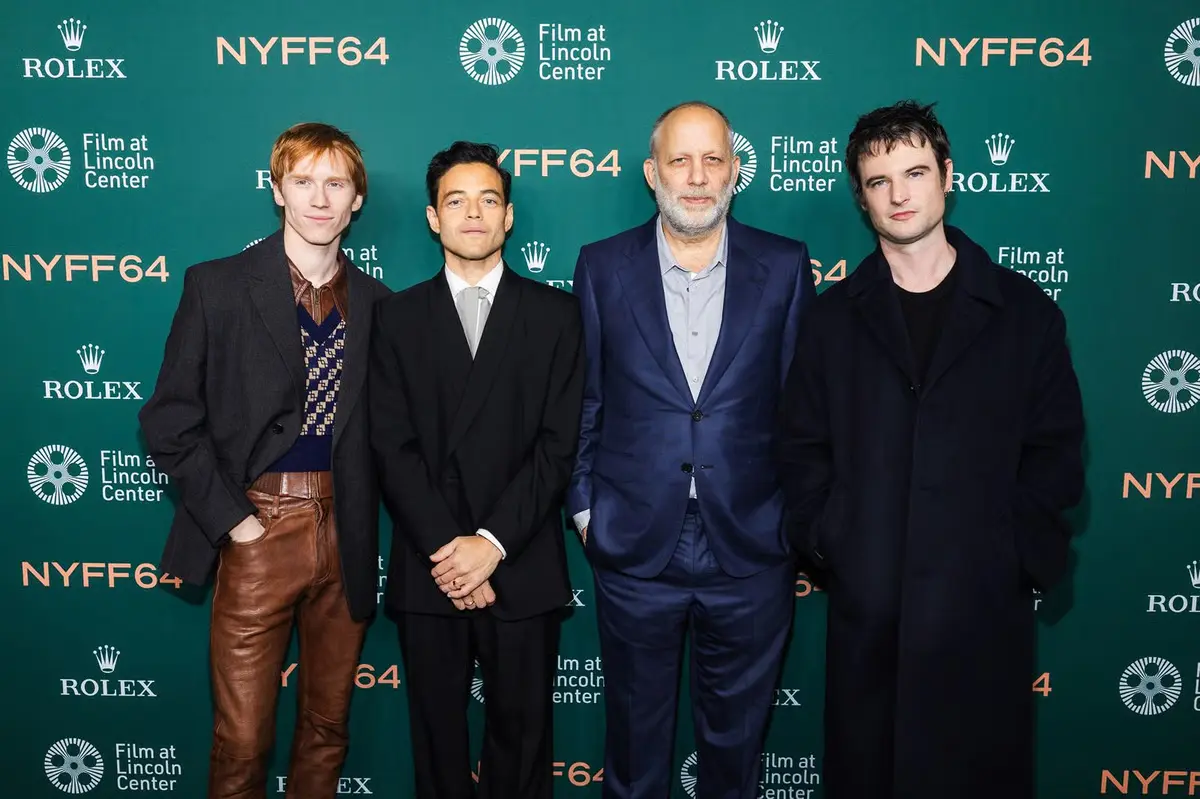
Luther Ford, Rami Malek, director Ira Sachs and Tom Sturridge attend the New York premiere of ‘The Man I Love’ at the 64th New York Film Festival. (Photo: Mettie Ostrowski)
For Sachs, that world is deeply personal. After moving to New York, he worked as an assistant to performance artist, actor, and writer Eric Bogosian and found himself surrounded by artists connected to spaces including PS122, The Kitchen, and the Wooster Group.
“It was a time in which people were making art, not for global audiences, but for the people down the street,” Sachs told The Knockturnal. “There was a local quality that I feel like I hunger for.”
That specificity became essential to how Sachs and co-writer Maurício Zacharias approached the AIDS crisis. Rather than allowing the historical context to overwhelm the characters, Sachs said they concentrated on the details of individual lives.
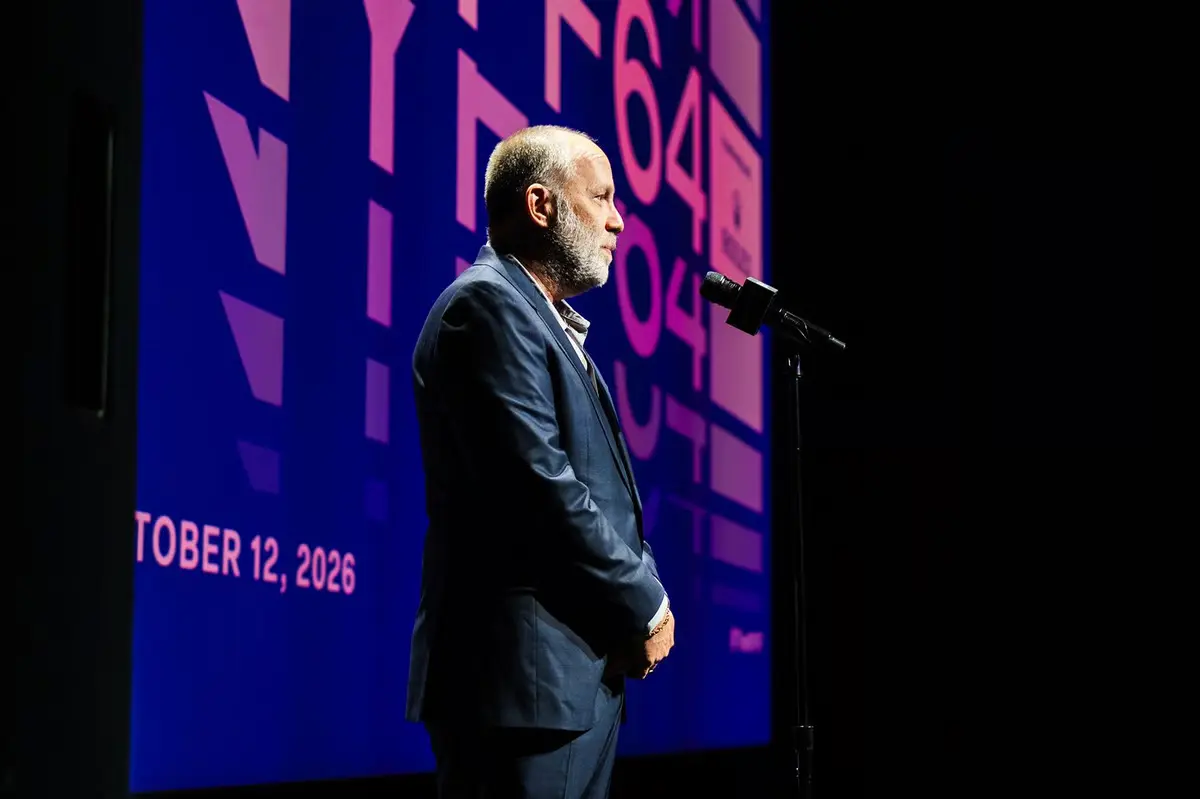
Director and co-writer Ira Sachs addresses the audience during the New York premiere of ‘The Man I Love’ at the 64th New York Film Festival. (Photo: Mettie Ostrowski)
“The more specific we can be, the more understanding we can share,” he explained.
Sachs also resisted the idea that the film needed to deliver a prescribed message. Instead, he returned repeatedly to pleasure, imagination, and the intimate connection created through art. He connected that impulse to his own experience during the pandemic, when writing, watching films, and remaining part of an artistic community helped him through isolation.
Ford echoed that perspective when discussing the responsibility of portraying the period. While researching the devastating scale of the AIDS epidemic was essential, he said Sachs remained focused on making “a film about life, as opposed to death,” filled with “desire and pleasure and performance and joy.”
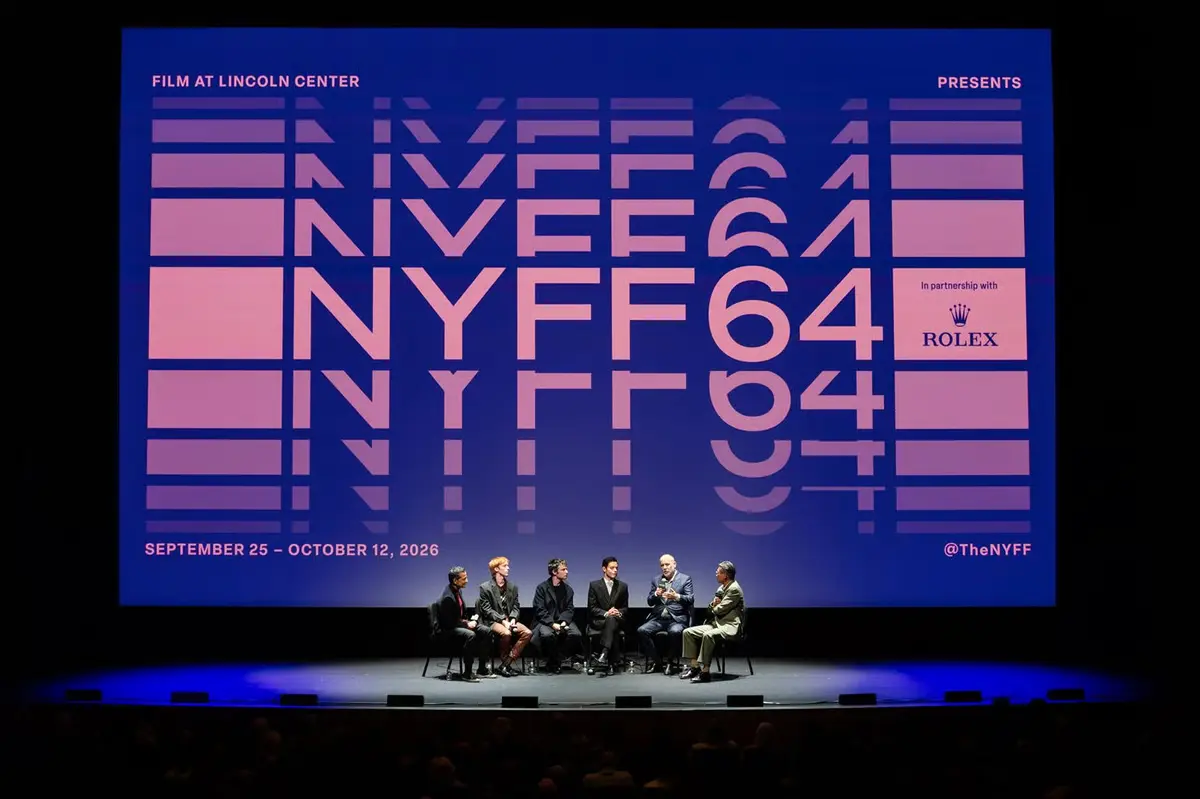
The cast and creative team of ‘The Man I Love’ gather onstage for a discussion during the film’s New York Film Festival premiere. (Photo: Mettie Ostrowski)
That approach also informed Ford’s performance. He described Sachs as uninterested in actors over-explaining a character’s motivations, encouraging them instead to trust instinct and remain open to what emerged naturally in a scene.
Producers David Siegel and Scott McGehee similarly emphasized the role of music and performance within the film’s DNA, describing a creative process that evolved from early musical influences into a drama where singing and performance become ways for characters to connect.
At its New York premiere, The Man I Love ultimately reflected the idea Sachs reiterated throughout the evening: even in a period defined by profound loss, art could remain a source of pleasure, community, and life.