At the 2026 San Diego Comic Con, WWE Legend and actor John Cena talked to The Knockturnal about Matchbox: The Movie, sharing why the project felt personal, what convinced him to join the cast, and how he continues to grow as an actor.
Apple TV+
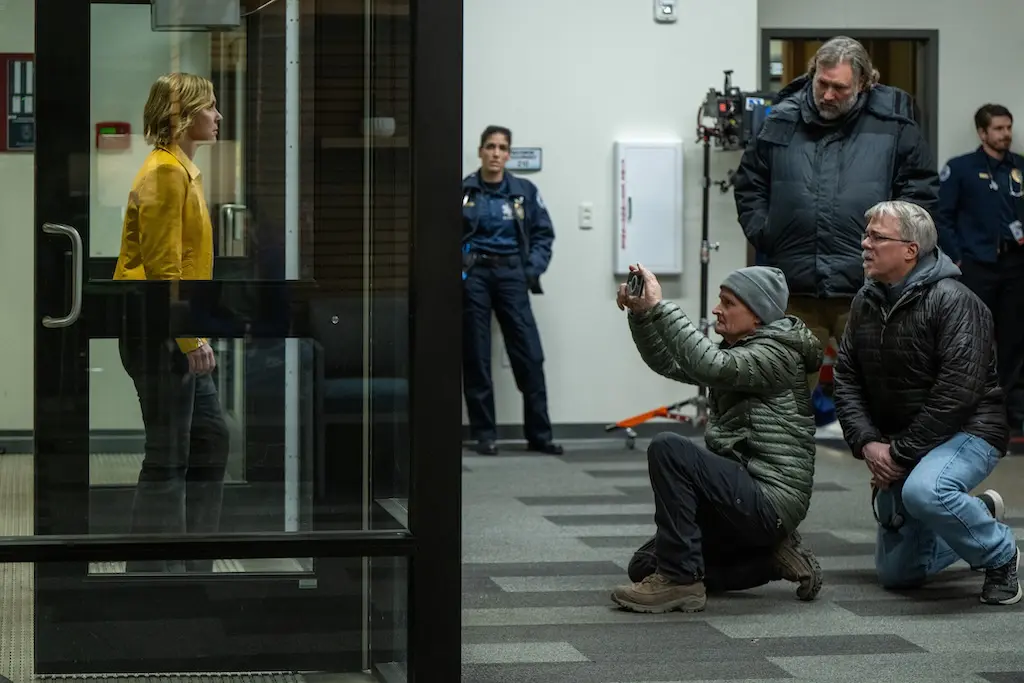
The third season of the critically acclaimed sci-fi drama Silo is set to premiere this week on Apple TV.
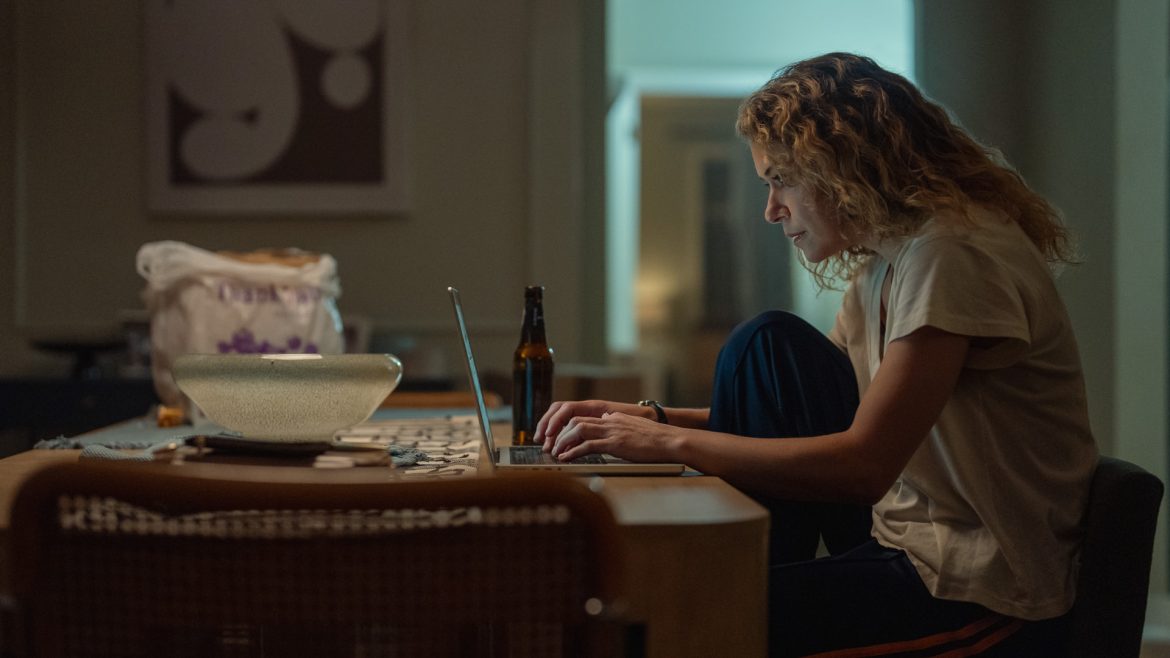
Apple TV’s Maximum Pleasure Guaranteed delivers an engaging psychological thriller that blends crime, dark comedy, and emotional drama into a story that constantly keeps its characters on edge.
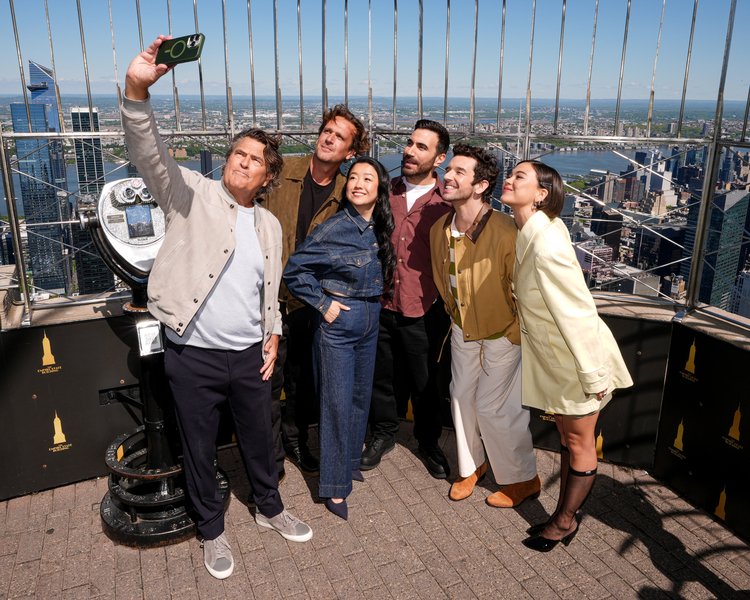
As part of the promotional tour for Season 3 of the Apple TV+ comedy series ‘Shrinking,‘ the cast and creators visited the Empire State Building for a special appearance celebrating the upcoming season.
Tucked into a sunlit corner of Red Rooster Harlem, an intimate (and very well-fed) luncheon unfolded with Cush Jumbo, the commanding star of Criminal Record. Joined by just ten journalists, the vibe felt far less like a press obligation and far more like being in on something special, which felt equal parts industry insight and effortless, unfiltered conversation.
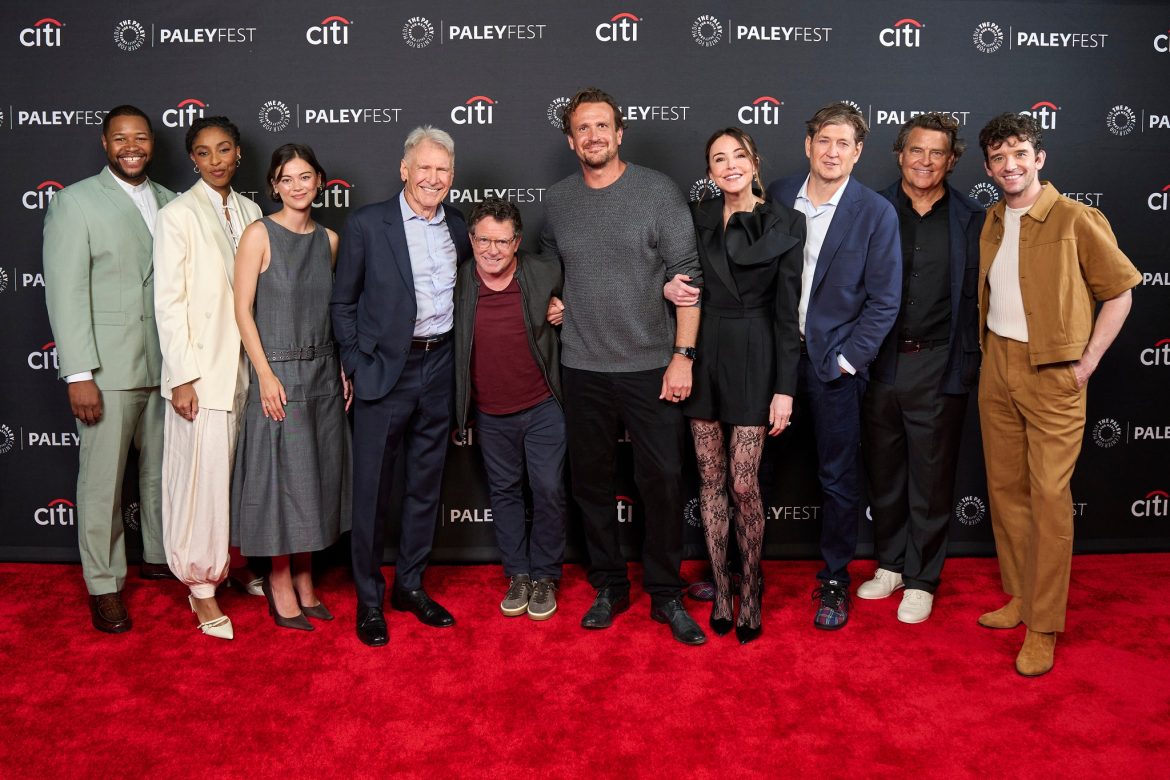
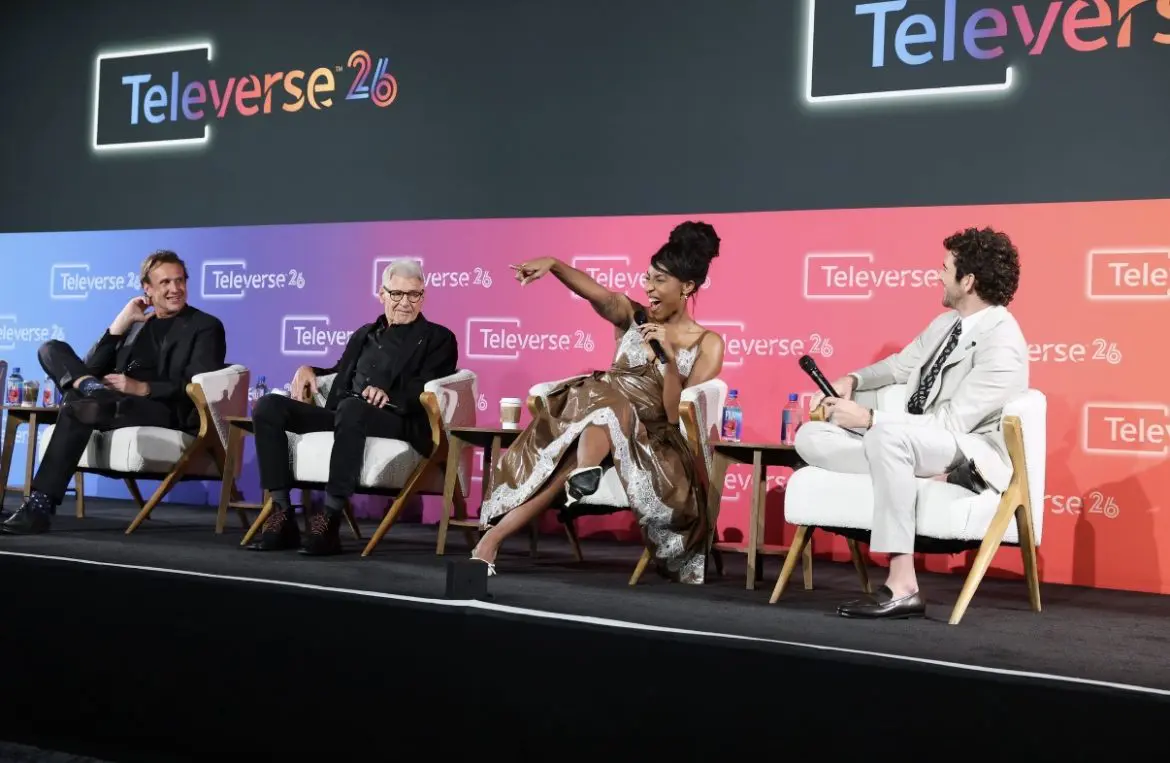
On April 7, the night before the Season 3 finale of Apple TV smash hit series Shrinking, PaleyFest LA hosted an intimate panel discussion at the Dolby Theatre moderated by the show’s creator, Bill Lawrence, and featuring stars Jason Segel, Harrison Ford, Christa Miller, Jessica Williams, Luke Tennie, Lukita Maxwell, Ted McGinley, and Michael Urie, with surprise special guest Michael J. Fox.
PaleyFest LA 2026 is officially underway, kicking off this year’s festival with the Apple TV series Pluribus, described as ‘the most miserable person on Earth must save the world from happiness,’ a hive-mind.
Season 2 of Your Friends and Neighbors wastes no time shaking up the social order—and according to its stars, that upheaval is exactly the point.

And then there are shows that, for one reason or another, never fully make it out into the world.
The Savant falls into the second category.
Originally developed as a limited series for Apple TV+, the crime thriller—created by Melissa James Gibson and inspired by a real-life article about a woman infiltrating online extremist groups—was set for release before being pulled back entirely. No rollout. No weekly drops. No real audience reception in the traditional sense.
Which makes the experience of watching it—and speaking to the people who made it—feel different from the start.
Because this is a show that exists, but in a way, also doesn’t.
I was one of the few people given access to see it, and then had the opportunity to speak with Jessica Chastain and Nnamdi Asomugha about what drew them to the project, what it demanded from them, and what they hope people take from it, whenever and however it finds its way to an audience.
A Story That Started With Reality
For Jessica Chastain, the entry point into The Savant wasn’t just the role.
It was the story itself.
She described coming across the article that inspired the series and being struck by the idea that there are people whose work exists entirely in the shadows of the internet, embedding themselves inside dangerous online spaces in order to prevent real-world violence. It wasn’t just the concept that stood out to her, but the fact that it was centered on a woman balancing that work with a personal life.
That combination, the scale of the responsibility and the intimacy of the character’s life outside of it, is what made her want to be involved not just as an actor, but as a producer.
From her perspective, it wasn’t enough to simply perform in the story. She wanted to help shape how it was brought to screen.
And that meant committing to a process that was significantly larger than a typical film.
Building Something Long-Form
When I asked her about the difference between producing a series and producing a film, her answer was straightforward.
It’s the same job.
Just amplified.
Instead of telling a story over the course of a couple of hours, you’re building something that stretches across multiple episodes. More characters, more moving pieces, more time spent developing the world and shaping the narrative. It becomes a longer, more intensive process at every stage, from development to production.
She walked through how the project evolved from a single article into a full series. First comes the idea. Then the pitch. Then the process of finding a home for it. Then the development. Then the actual production.
Each step adding another layer.
By the time you arrive at the finished product, you’re not just looking at a single piece of work. You’re looking at something that has been built over years.
A Character Living Between Worlds
On the other side of the conversation, Nnamdi Asomugha spoke about his character, Charlie, and what it meant to exist within a story where so much is happening beneath the surface.
Charlie is navigating a family dynamic shaped by secrets, responsibilities, and the kind of pressure that doesn’t always present itself directly. For Asomugha, the connection to the role came less from the specifics of the storyline and more from the emotional structure around it.
He talked about the experience of being away from home for extended periods during production and then returning to reintegrate into his own family life. That rhythm—leaving, returning, recalibrating—mirrored what his character goes through in a different context.
The circumstances may not be the same, but the feeling of trying to reestablish your place within a family after time away is something that translates.
That sense of grounding becomes important in a show built around a subject that most people don’t encounter directly.
Work That Happens Out of Sight
Both actors kept returning to a similar idea when talking about what they hope audiences take from the series.
Awareness.
For Chastain, it’s about understanding the reality of what exists online, particularly for younger people, and the importance of paying attention to it. The idea that the digital world is not separate from real-world consequences, and that there are people actively working to monitor and prevent harm within those spaces.
For Asomugha, it’s about recognizing the individuals doing that work.
The people who operate behind the scenes, often without recognition, whose job is to prevent something from happening rather than respond after it already has.
It’s a different kind of heroism.
One that doesn’t announce itself.
One that, in many cases, people don’t even realize exists.
A Project in Limbo
What makes The Savant especially unusual is that these conversations are happening around a show that has not been released in the traditional sense.
It was developed. Produced. Completed.
And then, just before it was meant to reach audiences, it was pulled back.
There’s no standard way to talk about something in that position.
There’s no audience reaction to point to. No rollout to contextualize it. No shared experience of people watching it at the same time and forming a collective response.
Instead, what you’re left with is the work itself, and the people who made it.
And in this case, those people are talking about a project that, for now, exists in a kind of in-between space.
Not fully public.
Not entirely unseen.
Just waiting.
Final Thoughts
By the end of my conversation with Jessica Chastain and Nnamdi Asomugha, what stood out most wasn’t the scale of the production or the unusual circumstances surrounding the show’s release.
It was the intention behind it.
A story pulled from reality.
A character built around that reality.
A process that expanded from a single article into something much larger.
And a group of people trying to bring attention to a world that most audiences don’t regularly see.
Whatever happens next with The Savant, whether it finds its way back to audiences or remains in its current state, the work behind it is already there.
And for now, that’s the version of it that exists.