El Museo del Barrio lights up its historic theater with an extraordinary lineup of short films for “Noches de Cine”.
Originally created as a space to help Puerto Rican children in East Harlem connect with and celebrate their culture, El Museo del Barrio has spent more than 50 years carrying that mission forward. Today, that same commitment to community and cultural storytelling extends beyond the museum’s galleries and into its historic theater. Through Noches de Cine, the museum brings an exciting selection of short films to the big screen. Spotlighting stories that explore Puerto Rican, Caribbean, Latin American, and Latine identities while celebrating the diverse voices shaping these communities today.
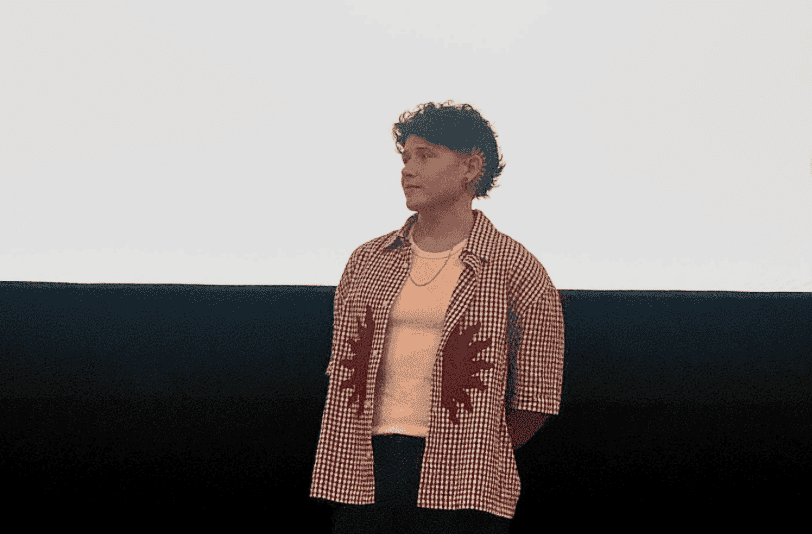
The creative force behind these extraordinary evenings is writer and producer Sebastián Rea. A Queens native, Rea began his journey in the film festival world right here in New York before making the leap to Los Angeles, where he has worked across numerous projects, including Peacock’s Devil in Disguise: John Wayne Gacy. Now, Rea is returning home to curate Noches de Cine, bringing together a dynamic lineup of films that celebrate bold storytelling, culture, and the diverse voices of the Latinx community.
“So, looking for the films, I was very, cognizant about making sure that the films did not have, like, huge theatrical distributions that they weren’t, like, readily available online or streaming. Sure, you can like, rent these movies, maybe, but, it’s not just like on For free. So I feel like this is our opportunity to come in and, like, fill a gap, you know, like there’s a disparity between, like, access to these movies and exactly like, who gets to see these movies. It’s almost as if you’re not a cinephile or you’re not like in festival world or like art world like this, like you’re not going to see these movies.”
Noches de Cine opened with the Bronx-set film MAD BILL$ TO PAY, a heartfelt story centered on the complicated family dynamics of a young man who discovers he is about to become a father. The film has been described as a love letter to the Bronx, capturing the borough’s spirit while highlighting the importance of community, family, and identity.
“I really wanted to open with Mad Bills to pay, because I think it’s such a magical experience where it’s such a unique in on somebody’s life or a very specific. But we’ve all know people like this. Like, no matter where you’re from, like you, we have characters like this in our life, and and I thought that’s why that’s what that movie did in such a, in a magical way that you can see yourself in that movie and also like, you know, talk about accessibility like that.”
Much like the connection between an audience and the characters on screen, Rea is committed to creating a sense of connection among the attendees themselves. For him, Noches de Cine is about more than simply watching films. It’s about bringing people together through a shared love of storytelling and creating a space where community can thrive. That emphasis on connection is rooted in Rea’s own experiences within the film festival world.
“I want the community people to know like great, like next month, you know, we may I may not know you today or maybe we just met, but I know next month you’ll be at the screening, you know, and like you’re from on your face and like, we’ll start to cultivate community. And I think that’s the main goal. Also of the series is to cultivate community within our within each other and like, strengthen our bonds. ”
Creatives like Rea and the extraordinary team at El Museo del Barrio are creating a space where Latino storytelling can reach audiences far beyond the theater. In doing so, they are helping foster a new generation of voices and offering a glimpse into what the future of Latine filmmaking can look like.
“I don’t only want to see us on streaming. But I think that with a with with with like how, like, filmmaking has almost been more democratized with their tools use and also platforms like YouTube and things and like a the explosion of like question and things like, I think, we can start to know one, we don’t need permission to make our stories. And I think, like the future of Latino cinema will be that like us taking autonomy of how we tell our stories and where we distribute our stories. And, and so, like, I think that’s going to be really exciting.”
