The Knockturnal
  • Home
  • Entertainment
  • Music
  • Lifestyle
  • News
  • Videos
  • Covers
  • Merch
Author

Tristen Yang

Tristen Yang

Events

Matcha: The Next Generation Explores Tradition, Technology, and Women-Led Innovation

by Tristen Yang February 13, 2026
written by Tristen Yang

On Tuesday evening, inside the auditorium at Japan Society, a room filled with cultural enthusiasts, entrepreneurs, and the matcha-curious gathered for Matcha: The Next Generation, a conversation and tasting presented as part of the organization’s annual Living Traditions series in partnership with the Government of Japan.

The evening explored the shift in matcha culture from ritualized, ceremonial, and preserved to an evolving and rapidly changing state. Moderated by Rona Tison, Tea Ambassador and Executive Advisor at ITO EN North America, the panel brought together three voices shaping matcha’s future across continents: Masae Shinjo, Founder and CEO of Matcha Tourism Co., Ltd.; Kunikazu Mochitani, Co-Founder of The Matcha Factory; and Silvia Mella, Founder and Creative Director of Sorate.

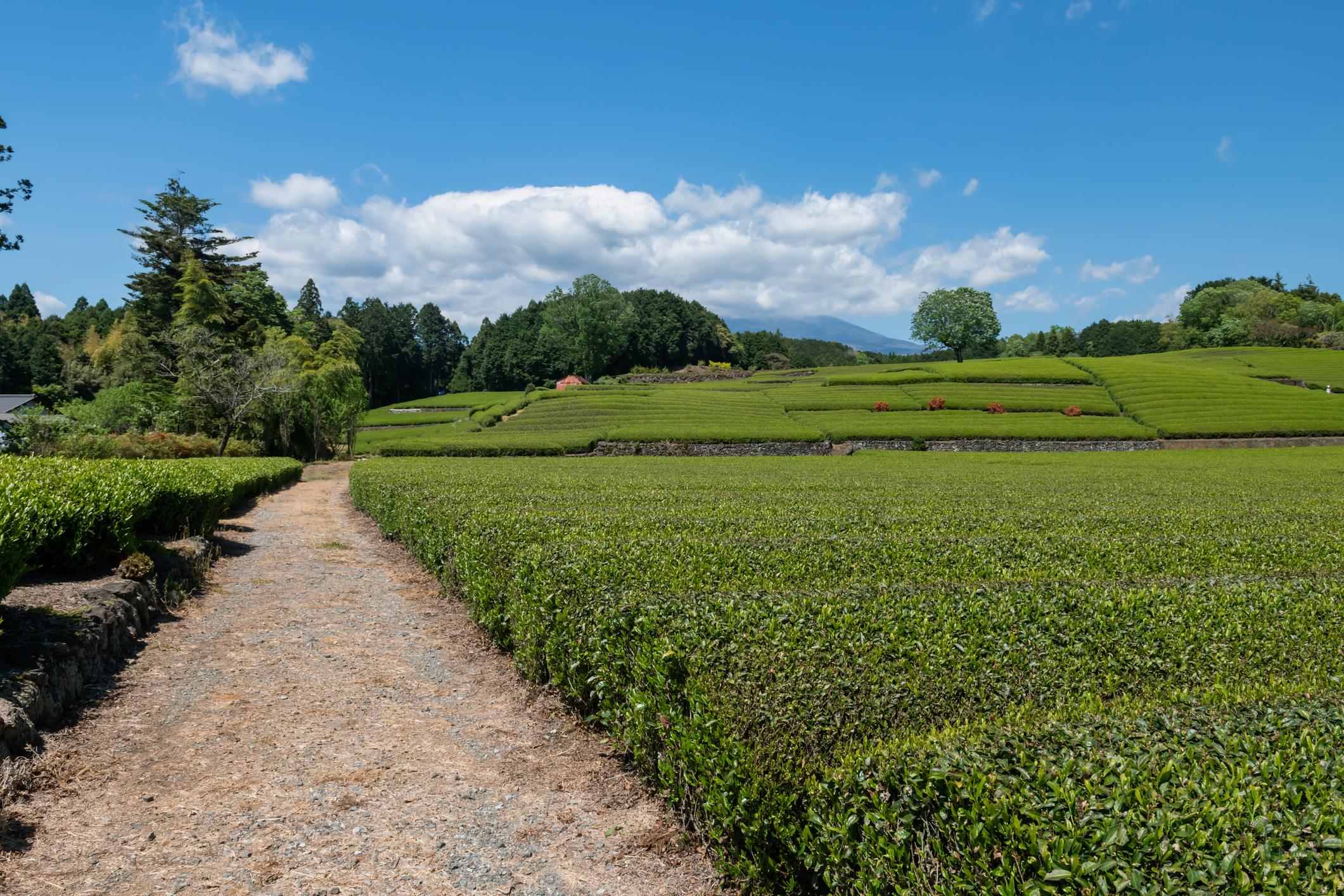
Japan’s rural tea-growing regions, particularly in areas like Uji and Shizuoka, are facing demographic decline. Aging farmers, shrinking labor pools, and global demand pressures have created a tension between preservation and production. Mochitani spoke to the technological shifts underway with innovations in farming and supply chain transparency that allow producers to maintain quality while adapting to modern market realities.

Shinjo approached the topic from another dimension with tourism and storytelling. Through Matcha Tourism Co., Ltd., she has built immersive experiences that reconnect consumers to origin, to the fields, the farmers, the labor behind the bowl. In an era where matcha is often consumed as a latte or aesthetic accessory, her work reframes it as agricultural heritage. Revitalizing rural communities, she explained, requires not only innovation but visibility by inviting global audiences to witness the process rather than just consume the product. The matcha boom has been shaped by global wellness trends, social media virality, and aesthetic minimalism, but Silvia Mella emphasized intentional growth by ensuring that farmers benefit from the expansion.

Beyond the economics, the panel returned repeatedly to cultivation itself. Matcha production is labor-intensive: shade-growing tea plants weeks before harvest, carefully selecting leaves, steaming, drying, de-stemming, and finally stone-grinding into the luminous green powder. Climate change, labor shortages, and mechanization debates all shape the future of this process. Following the discussion, guests moved into a tasting reception to experience the human experience behind the shift in match and how it’s being recontextualized through technology, tourism, and women-led entrepreneurship. For a beverage often photographed more than understood, the event offered insight on how the industry is balancing preservation with evolution.

February 13, 2026 0 comments
0 FacebookTwitterPinterestEmail
Fashion & BeautySports

Starr Andrews Steps Into Milano Cortina 2026 With Gillette Venus

by Tristen Yang February 12, 2026
written by Tristen Yang

Ahead of the Olympic Winter Games, Gillette Venus announced its partnership with U.S. Figure Skating athletes Alysa Liu, Isabeau Levito, and Starr Andrews, aligning with Team USA as the Official Razor of the Games. In the lead-up to competition, when routines sharpen and rituals matter most, Venus is positioning smooth precision as part of the preparation, and for figure skaters training and competing in the cold of Milan, performance extends beyond the ice. We spoke with Starr Andrews ahead of the Games about artistry, identity, and the rituals that ground her before stepping into an arena.

Andrews has never skated quietly. Long before Olympic conversations, before national podiums and international assignments, she was a child skating to “Whip My Hair,” unapologetic and magnetic. Her now iconic viral routine, set to Willow Smith’s anthem, showcased both technical skill and personality. Even earlier, at four years old, she was performing to “Twinkle Twinkle Little Star” and “Lean Back,” choosing contrast over convention. “I’ve always kind of had bold music choices,” she says. “I feel like people get scared to use certain songs because they’re not sure if judges will get it. I’m just like, I’m going to do it. And I’m going to try to act it out so they understand.”

That instinct to choose differently has followed her into adulthood. In recent Olympic cycles, Andrews began recording her own vocals for competition programs, a rare move in figure skating. The first time she performed to her own voice, singing Whitney Houston, she admits it startled her. Hearing herself echo through an arena mid-program felt surreal. “I forgot that I recorded it,” she laughs. “I was like, oh my god, that’s me.” What began as an experiment evolved into a pattern. For another Olympic year, she recorded “At Last” by Etta James. Her voice has matured, deepened, and the choice to sing her own music has become more than novelty. Skating to her own voice, she explains, shifts something internally, the performance feels less performative and more personal.

“It’s more calming,” she says. “I know what I’m singing about. It’s heartfelt. It brings a genuine smile.” She describes how different genres trigger different physical responses. While, her short program channels Beyoncé (sassy, sharp, confident), her long program moves between darker, vampire-inspired intensity and a softer second half set to “Turning Page” by Sleeping At Last, a song she sings herself. The lyrics thank those who’ve supported her journey.

Andrews enters this Olympic chapter not as a newcomer but as an athlete shaped by cycles of successes, setbacks, and visibility. Born in Los Angeles and introduced to skating by her mother, she rose through the ranks quickly, becoming one of the most recognizable young faces in U.S. figure skating. Her early viral fame introduced her to a broader audience, but her competitive résumé solidified her credibility: national medals, Grand Prix assignments, and now Olympic selection as an alternate for Team USA.

Representation has been part of her story whether she intended it or not. Growing up, she rarely saw skaters who looked like her. The first time she remembers seeing someone with curly hair on television was Adam Rippon. “I was glued to the screen,” she says. “I had never seen that before.” At international competitions, she often found herself the only Black girl in the locker room. She remembers one moment of discomfort, sitting in that realization. “I felt like I stuck out,” she says. “But I made it there. So it didn’t matter.” Now, she works with organizations like Unity Ice Academy, supporting young skaters of color entering a space that still lacks diversity. What began with a small group has grown significantly.

Beyond competition, Andrews’ creativity extends in quieter directions. She paints. She embroiders. She knits. She cooks. If she weren’t a figure skater, she imagines she’d still be in motion. Dance, gymnastics, even synchronized swimming once captures her attention, but currently skating allows her to combine athleticism with her own narrative. That intersection between beauty, performance, and discipline makes the Gillette Venus partnership feel authentic. “Figure skaters have rituals before stepping on the ice,” she says. For her, that includes shaving. Cold air, sensitive skin, dry arenas aren’t just cosmetic concerns but also physical ones. Andrews, who has eczema and dry skin, gravitates toward moisturizing razors with aloe and built-in lubrication which means fewer irritations and fewer distractions. Milano Cortina 2026 represents another chapter in her journey that began with glitter dresses and spotlights. “I started skating because I thought it was shiny and cool,” she says. Today, she steps into the Olympic conversation as a seasoned athlete, artist, and advocate. She is someone who has carved space for herself rather than waiting for it to appear.

February 12, 2026 0 comments
0 FacebookTwitterPinterestEmail
Events

HRC Holds Annual Greater New York Dinner Amid Renewed Push for LGBTQ+ Rights

by Tristen Yang February 9, 2026
written by Tristen Yang

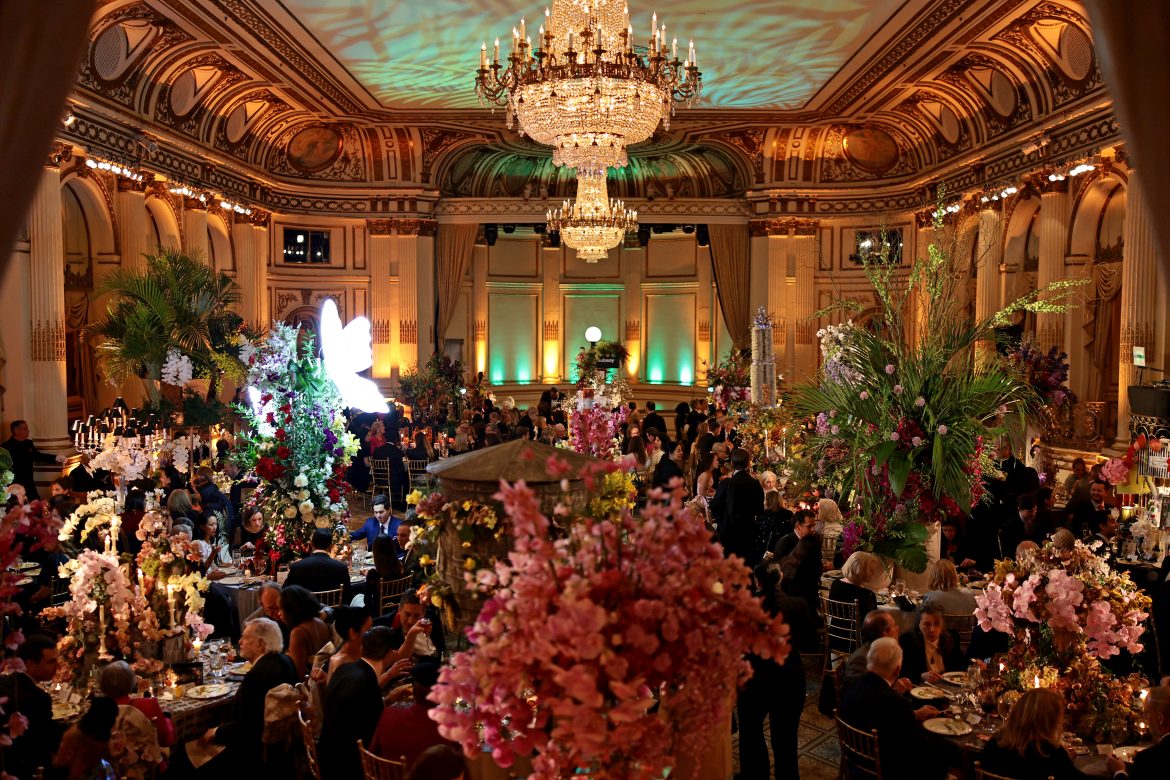
On Saturday, February 7, the Human Rights Campaign convened LGBTQ+ advocates, artists, and allies at the New York Marriott Marquis for its annual Greater New York Dinner. The event, one of the organization’s most prominent regional gatherings, came at a moment of heightened political pressure for LGBTQ+ communities nationwide, and the evening reflected that urgency in both tone and programming.

The night brought together leaders across entertainment, fashion, activism, and politics to honor individuals whose work has shaped visibility and advocacy in tangible ways. This year’s honorees included actress, singer, and dancer Jane Krakowski, New York–based fashion designer Daniella Kallmeyer, and transgender activist Juli Grey-Owens, founder and executive director of Gender Equality New York. Rather than framing the evening as a celebration removed from current events, speakers repeatedly acknowledged the political and cultural climate shaping LGBTQ+ life in 2026, including legislative attacks on transgender rights, censorship efforts, and growing threats to press freedom.

One of the evening’s highlights was surprise appearance by journalist Don Lemon, who delivered an impassioned speech on press freedom and democratic accountability. Speaking to the room as a journalist rather than a media personality, Lemon framed the First Amendment as essential to both democracy and LGBTQ+ liberation. “The First Amendment is not just a legal guarantee,” he said. “It is the breath in the lungs of democracy.” Lemon warned against the normalization of attacks on journalists and the erosion of truth in public life, describing witness, not rebellion, as the greatest threat to unchecked power. “The free press does not exist to reassure the nation,” he said. “It exists to reveal it to itself.” His remarks drew extended applause and positioned journalistic integrity as inseparable from broader civil rights struggles.

NEW YORK, NEW YORK – FEBRUARY 07: Don Lemon speaks onstage during the Human Rights Campaign 2026 Greater New York Dinner at Marriott Marquis Times Square on February 07, 2026 in New York City. (Photo by Craig Barritt/Getty Images for Human Rights Campaign)

Jane Krakowski received HRC’s Ally for Equality Award for her long-standing support of LGBTQ+ communities through both advocacy and cultural work. In her remarks, Krakowski addressed the room directly, referencing renewed government hostility toward LGBTQ+ people and particularly toward transgender youth. “Here we are in 2026, and the government has again turned its back on this community,” she said, citing book bans, the amplification of hate speech, and legislation targeting trans children. Her speech emphasized continuity, noting that she has witnessed the community respond to adversity with solidarity and creative force before. “You refused to be silent when the government turned its back,” she said. “You refused to hide when the world tells you to be ashamed.”

NEW YORK, NEW YORK – FEBRUARY 07: Jane Krakowski accepts the Ally for Equality Award onstage during the Human Rights Campaign 2026 Greater New York Dinner at Marriott Marquis Times Square on February 07, 2026 in New York City. (Photo by Bryan Bedder/Getty Images for Human Rights Campaign)

Designer Daniella Kallmeyer was honored with HRC’s Visibility Award for her impact as a queer woman shaping contemporary fashion. Kallmeyer used her remarks to acknowledge the communities that supported her career and challenged her accountability. “Thank you to those who kicked doors open,” she said, emphasizing that visibility is not an individual achievement but a collective one that carries responsibility. Her recognition highlighted the expanding role of fashion as both cultural expression and platform for representation.

Juli Grey-Owens received the Community Impact Award for her work advancing transgender rights across New York State. Earlier in the evening, Grey-Owens spoke on the blue carpet about the importance of recognition for communities that have historically been pushed into hiding. “When people are forced into invisibility, normalization becomes impossible,” she said. Grey-Owens emphasized the value of local action, noting that while federal change can feel distant, meaningful progress often begins at the state and community level. Her organization has been instrumental in advocating for transgender protections in New York, including mobilizing rallies and legislative efforts on Long Island.

NEW YORK, NEW YORK – FEBRUARY 07: Juli Grey-Owens accepts the Community Impact Award onstage during the Human Rights Campaign 2026 Greater New York Dinner at Marriott Marquis Times Square on February 07, 2026 in New York City. (Photo by Craig Barritt/Getty Images for Human Rights Campaign)

HRC President Kelley Robinson followed with a speech that emphasized collective action and long-term vision. Robinson spoke about choosing hope and courage amid political setbacks, urging attendees to remain engaged rather than discouraged. “The question is not whether or not we can win,” she said. “The question is what are we willing to do.”

NEW YORK, NEW YORK – FEBRUARY 07: Kelley Robinson, President, HRC & HRC Foundation, speaks onstage during the Human Rights Campaign 2026 Greater New York Dinner at Marriott Marquis Times Square on February 07, 2026 in New York City. (Photo by Craig Barritt/Getty Images for Human Rights Campaign)

Elected official Senate Minority Leader Chuck Schumer spoke about recent electoral challenges and the need for continued vigilance against policies that threaten equality. Senator Cory Booker framed the current moment as one that has historically produced renewed empathy and social progress, emphasizing interconnectedness across movements. The guest list reflected the event’s intersection of culture and advocacy, attendees included actor and singer Tituss Burgess, The Gilded Age actress Louisa Jacobson, iconic NYC subway announcer Bernie Wagenblast, and comedian Dana Goldberg, among others. Their presence underscored the role of cultural figures in sustaining visibility beyond formal political spaces.

Throughout the evening, speakers returned to a shared theme that visibility remains both necessary and contested. The event resisted spectacle in favor of substance, prioritizing testimony, accountability, and coalition-building over celebration. The Greater New York Dinner reaffirmed HRC’s role not only as a civil rights organization but as a convening force at a time when LGBTQ+ communities continue to face coordinated challenges. The message echoed across speeches and conversations alike: progress is not linear, rights are not permanent, and presence whether through art, activism, journalism, or policy remains essential.

February 9, 2026 0 comments
0 FacebookTwitterPinterestEmail
Automotive

A Winning Weekend at the Miami E-Prix with Jaguar TCS Racing

by Tristen Yang February 3, 2026
written by Tristen Yang

On Saturday, race day at the Miami E-Prix didn’t announce itself with chaos or spectacle in the way motorsport often does. It unfolded slowly, deliberately, demanding viewers’ attention. A soft drizzle lingered over the Miami International Autodrome, the sky an even wash of gray, and the track still damp from overnight rain, intensifying the race to come.

From the race suites, perched above the circuit with a clear sightline across the grandstands and down onto the grid, the atmosphere felt focused. Guests inside moved between conversations, drinks, and decadent bites throughout the day, while large screens tracked the evolving conditions on track. The Jaguar TCS Racing team and spectators gathered with quiet confidence, waiting for Formula E’s return to Miami. From the balcony, the view stretched across the teal stadium seats, dotted with spectators in rain jackets and ponchos, and down to the slick ribbon of asphalt where the GEN3 Evo cars lined up.

The light shower added texture to the scene, softening the edges, muting the colors, amplifying the hum of anticipation. Formula E races are shorter than their F1 counterparts, but they demand a different kind of attention, where energy management replaces brute force and strategy outweighs speed. The cars regenerate energy under braking, drivers constantly balancing performance with conservation, racing not just each other, but the clock, the battery, and the conditions beneath their tires. It became clear how much of Formula E happens invisibly. On the screens, graphics illustrated energy usage and attack modes, while radio chatter filtered through quietly. On track, the cars moved in tight packs, everyone waiting for the right moment.

Before the race began, we were ushered down for the grid walk, one of the most electric moments of the day. A grid walk in motorsport offers rare proximity: cars lined up nose to tail, mechanics making final adjustments, engineers conferring quietly, drivers focused inward, and eyes forward. The drizzle persisted, light but steady, beading on the cars’ bodywork and darkening the tarmac beneath our feet. It heightened everything from the smell of wet asphalt, the whir of cooling fans, to the tension hovering just beneath the surface. This moment bridges the gap between racing and the viewer, as the technology becomes tangible and the people behind the performance become visible. And the stakes, suddenly, feel firsthand and real.

As the race got underway, drivers navigated cautiously in the early laps, aware that pushing too hard too soon could compromise everything later. From the suites, the ebb and flow of the race felt almost choreographed. Energy levels fluctuated, attack modes deployed with intention. Unlike other motorsport series, where dominance can be established early, Formula E keeps the field compressed, the outcome uncertain until the very end.

For Jaguar TCS Racing, this uncertainty wasn’t unfamiliar. Mitch Evans, known for his consistency and race intelligence, remained composed throughout, managing energy with precision as the race evolved. Nothing about the moment suggested inevitability, but there was a sense that the pieces were aligning. What becomes clear when watching Formula E up close is how much the championship mirrors the realities of electric mobility more broadly. Range anxiety, energy recovery, efficiency versus performance, these aren’t abstract concepts here, they are the race itself. This is part of what makes Formula E compelling, particularly for sustainability-curious audiences. It doesn’t pretend electric racing is identical to combustion-era motorsport. It embraces difference, turning constraint into creativity, limitation into strategy. Both Jaguar drivers moved decisively through the field early on, with Mitch Evans and António Félix da Costa running nose-to-tail as they battled Porsche at the front. The momentum briefly fractured when Andretti’s Felipe Drugovich made contact with da Costa in the final corner, sending him wide and ultimately relegating him to an eighth-place finish despite continuing the race.

As the race continued, tension sharpened. The drizzle had eased, but the track remained slick in places, unforgiving of mistakes and positions shifted rapidly. Evans timed his second Attack Mode to near perfection, overtaking race leader Nico Müller on lap 27. And then, almost suddenly, it became clear that Jaguar TCS Racing was in contention for something more. Mitch Evans surged forward with control, navigating traffic cleanly, deploying energy at precisely the right moments. It seemed assured, the kind of driving that looks almost understated until you realize how difficult it is to execute. Evans charged to victory, a win that marked his 15th career Formula E triumph, officially making him the most successful race winner in the championship’s history.

When Evans crossed the line to secure victory, the reaction wasn’t explosive at first. It was a beat of disbelief, then recognition, then celebration. Applause rippled through the suites. Post-race, the mood shifted from focus to release. On the podium, champagne flowed, sprayed skyward in celebration, the rain now replaced by laughter and relief. The imagery felt almost cinematic with the wet track, gleaming cars, champagne mist catching the light. The Jaguar TCS Racing team celebrated together, drivers and engineers, media and brand partners, sharing in the culmination of months of work. Being part of a winning team, even peripherally, carries a distinct energy. No one knew with certainty that Evans would win, but in hindsight, it made sense. His background, his familiarity with the series, his calm under pressure, all of it converged at the right moment.

As the day wound down, it became clear that what set this race apart wasn’t just the result, but the rhythm of the experience itself. Formula E doesn’t overwhelm, it invites and asks you to observe, to listen, to understand the layers beneath the surface. From the race suites to the grid walk, from the drizzle-soaked start to the champagne-splashed finish, the Miami E-Prix was an exciting chapter in Jaguar’s motorsport story. It balanced innovation with heritage, performance with sustainability, competition with community. In a motorsport landscape often defined by excess, Formula E offers a glimpse of what racing could look like in the future and a vision that acknowledges the realities of our time, that treats efficiency as a skill rather than a compromise.

February 3, 2026 0 comments
0 FacebookTwitterPinterestEmail
AutomotiveUncategorized

Inside Jaguar TCS Racing’s Formula E Mindset Before the Miami E-Prix

by Tristen Yang February 3, 2026
written by Tristen Yang

On Friday morning, ahead of practice sessions and race-day, we sat down with Jaguar TCS Racing drivers António Félix da Costa and Mitch Evans, alongside team principal Ian James, for a roundtable conversation during media day. The discussion offered a moment to understand how the team thinks about performance, energy, and competition before the race.

Miami, despite its reputation, did not feel like a holiday backdrop that morning. The air was unexpectedly cool, more winter than vacation, and the track had yet to assert itself as the dominant presence of the day. For the drivers, location operates less as spectacle and more as a variable. Da Costa, now in his first season with Jaguar, spoke about the ocean as a mental reset rather than an escape. Being near water, he explained, offers a subtle recalibration that sharpens focus.

Outside of racing, both drivers turn to physical movement not as training in the strict sense, but as a way to stay balanced during a season defined by constant travel. For da Costa, surfing and golf occupy the margins of an already crowded calendar. Evans, who grew up in New Zealand, pointed to rugby as a formative influence, less for its tactics than for the rhythm and discipline it instills. Neither framed these activities as escapes, instead, they function as anchors, ways of staying connected to their bodies while living in near-constant motion.

Ritual came up early in the conversation, though not in the way one might expect with no rigid superstitions. Da Costa described a simple pre-race sequence: stretching, skipping rope, twenty minutes of physical readiness before stepping into the car. Evans emphasized visualization over routine, constantly replaying the track in his mind and adapting to schedule changes rather than resisting them.

The ease between da Costa and Evans surfaced repeatedly. Although new to the team, da Costa is not new to Evans. The two have known each other for years, competitors who understand each other’s instincts without needing translation. They mentioned a philosophy of different experiences, different approaches, but a shared willingness to learn with a goal on alignment. This dynamic becomes especially important in Formula E, where races are not won by pushing flat out from start to finish. Da Costa explained it plainly. If drivers were to race at maximum output for the full duration, the battery would not last. The challenge is not speed alone, but energy management. Regeneration, timing, positioning, and restraint all shape the outcome. Drivers cycle between attack and conservation, sometimes literally following one another closely to minimize energy loss, a comparison da Costa likened to the peloton in the Tour de France.

This is where Formula E diverges most sharply from other forms of motorsport, and where it can be hardest to read from the outside. It is engineered because no one runs away with the race early. Strategy unfolds in layers, and the margin between winning and finishing mid-pack can be measured in decisions made minutes, or even seconds, apart. Evans described it as a form of art, a balance between performance and patience that rewards awareness as much as aggression.

For fans accustomed to Formula 1, where dominance can stretch across seasons, Formula E requires a different way of watching. The sport has been around for over a decade now, and its core audience understands the language. What remains is translating that experience to a broader public, particularly as sustainability moves from concept to constraint across motorsport. Da Costa noted that Formula E has effectively been living the future for years. That framing carried into the second half of the roundtable, where team principal Ian James joined the conversation. Where the drivers spoke about flow and instinct, James spoke about systems. Pressure, he explained, exists everywhere in the organization, not just in the cockpit. James has moved fluidly between disciplines. In Formula E, the role is far more active. The team is constantly responding, adjusting, supporting. Influence is not about overriding expertise, but about creating the conditions for it to operate effectively during simulations.

In terms of team culture, James spoke at length about the importance of collaboration, particularly between drivers. Talent alone is not enough. In a championship where the car is constantly evolving, drivers must be able to articulate what they feel, translate instinct into feedback, and work together rather than against each other. When garages split, development suffers. Alignment, even without friendship, is non-negotiable.

Behind the scenes, much of that alignment is built long before race weekend. Simulation plays a central role in preparation, not just for drivers, but for the entire team. Engineers, strategists, and performance staff are brought into the process, rehearsing scenarios, stress-testing decisions, and effectively gamifying strategy. While no simulation can account for every variable, the confidence it builds carries into the race. By the time the cars arrive at the circuit, most of the work has already been done. This is where sustainability becomes less of a talking point and more of a framework. Operating under cost caps has reshaped internal dynamics, bringing finance teams into direct conversation with performance goals. Where spending was once viewed as a limitation, it now becomes a strategic tool. Knowing where to allocate resources, where to extract the most value from each decision, creates competitive advantage.

The conversation eventually widened to Jaguar’s broader motorsport legacy. Drivers and leadership alike referenced Le Mans, the Silk Cut era, and the visual language that once defined Jaguar on the world stage. James recalled an early experience at Jaguar’s headquarters, driving an E-Type from 1960, followed by modern performance vehicles and future concepts. Across generations, he noted, the throughline remained tangible. The cars moved like Jaguars and they felt like Jaguars. That continuity matters as the brand moves deeper into the electric age. The question is no longer whether electric racing can be exciting, but how to carry identity forward within new constraints. Engagement, James suggested, will increasingly depend on how well that story is told, not just on track, but through experiences like this one. As the roundtable wrapped, the schedule pressed on. Formula E, viewed through Jaguar TCS Racing, reveals itself as a sport built on awareness, energy, people, and limits.

February 3, 2026 0 comments
0 FacebookTwitterPinterestEmail
AutomotiveUncategorized

Inside Miami Formula E’s Pre-Race Day With Jaguar TCS Racing

by Tristen Yang February 3, 2026
written by Tristen Yang

Pre-race day at a Formula E weekend doesn’t begin with speed. It begins with structure, timing, and preparation. In Miami, that rhythm started early. Outside, the air was cooler than expected for Miami, and the city still subdued in the morning light. On Friday morning, the brand and press group gathered in the lobby of the Andaz Miami Beach, moving together into a line of Range Rover Sport models that would carry us across the city toward the Miami International Autodrome track. Media day has its own atmosphere, distinct from race day energy. It’s slower, more conversational, built around access and insight rather than adrenaline.

The first stop was the Jaguar TCS Racing garage: Jaguar’s position within the paddock reflected championship order from the previous season, placing the team in the second garage. Inside the garage, the GEN3 Evo car sat prepared, surrounded by engineers, laptops, and neatly organized equipment, with remarkably little excess. What stood out was how much wasn’t there. As the team walked us through the space, it became clear that what happens in the garage is only the visible layer of a much larger operation. Formula E cars are developed on long cycles, not race by race, but year by year. Jaguar is in the second year of the current homologation period, with major powertrain elements locked in and refined over time. The motor, inverter, gearbox, and suspension are developed within strict regulations, then frozen. Between races, Jaguar’s engineers don’t rebuild the car, but constantly rewrite it. Setup begins virtually, long before the car arrives in Miami. Digital models simulate braking behavior, corner entry, regenerative energy recovery, and how the car responds to the unique demands of each track. These simulations don’t require a driver and they don’t require a physical car. They exist in parallel, running continuously back at Jaguar’s UK headquarters while the race team travels.

Formula E is a data-led championship by necessity. Physical testing is heavily limited and track time is precious. There are only so many days a year when the car can be run in the real world and everything else happens digitally. Engineers work through thousands of scenarios, adjusting parameters virtually, then delivering software updates that are uploaded to the car when it arrives at each race. So what appears trackside is the final expression of weeks, sometimes months, of invisible work. Logistics follow the same logic. Freight doesn’t return to base between races. Instead, it moves continuously from city to city in a global loop, handled by a centralized logistics partner. Once the season begins, teams may not see certain components again unless something goes wrong. Repairs happen within tight windows and updates must be planned long in advance. The moment the cars arrive at the circuit, the scope for change narrows dramatically. Standing inside the garage, watching engineers move with practiced efficiency, the scale of the operation became clearer. Formula E may look quieter than other forms of motorsport, but the intensity is compressed because decisions are made earlier and margins are tighter.

From the garage, the day transitioned into conversation. Roundtables with drivers António Félix da Costa and Mitch Evans, followed by team principal Ian James, added a human layer to what had just been seen. Their discussions about preparation, collaboration, and energy management framed Formula E as a championship where restraint is not a limitation, but a competitive advantage.

Lunch passed quickly, functional and efficient, before attention returned to the garage for rookie practice. Held ahead of traditional sessions, the rookie run exists in a space between opportunity and utility. For young drivers, it’s a rare chance to experience GEN3 Evo machinery. For teams, it’s early access to real-world data from the track. Alessandro Giusti took the wheel for Jaguar TCS Racing during the 40-minute session, finishing sixth with a fastest lap of 56.278. The data on braking zones, regeneration patterns, grip levels, and energy usage fed directly back into Jaguar’s preparation. In Formula E, information gathered on Friday can quietly shape what happens on Sunday. Engineers watched screens more than lap times, tracking variables that would influence strategy later. At the time, there was no visible hint that Mitch Evans would go on to win a rain-affected Miami E-Prix with a composed, assured drive. On Friday, that outcome was still theoretical, but what mattered was readiness.

As afternoon softened into evening, the track receded and the schedule shifted again. Dinner brought the group together away from the circuit, creating space for conversation. Over a relaxed meal, members of Jaguar Land Rover’s media, brand, and motorsport teams spoke openly about travel, pacing, and the realities of sustaining a global season. The tone was warm and unguarded, a reminder that this highly technical sport is still powered by people. By the time pre-race day came to a close, Formula E had revealed itself not as a spectacle waiting to erupt, but as a system already in motion. For Jaguar TC Racing, Friday was not about spectacle, but about ensuring that when conditions changed, whether through weather, strategy, or pressure, the foundation would hold.

February 3, 2026 0 comments
0 FacebookTwitterPinterestEmail
Lifestyle

Inside Ghia’s Intimate Zero-Proof Evening at Felice on Hudson

by Tristen Yang February 1, 2026
written by Tristen Yang

Ghia welcomed guests to Felice Hudson last week for a zero-proof cocktail experience celebrating Dry January and the brand’s partnership with the West Village restaurant. Taking place just days after a major snowstorm, the intimate event combined cocktail education, tastings, and a live demonstration led by Mélanie Masarin and the Felice bar team.

The evening brought together a small group of guests for a guided cocktail class, tasting, and conversation led by Ghia founder Mélanie Masarin, her business partner Sam, and the Felice bar team. With Dry January well underway and winter still pressing in, the gathering felt deliberate, contained, and quietly celebratory. Guests arrived bundled and flushed from the weather, stepping into the warmth of candlelight and conversation for an intimate zero-proof cocktail experience.

The Ghia team opened the night with a reflection that framed evening’s activities. This wasn’t about replacing alcohol or replicating its effects, but about expanding the idea of what a cocktail moment can be. Our bartender spoke about “golden hour” not as a specific time of day, but as a feeling, that in-between space after a shower, linen clothes on skin, dinner still hours away, when you’re thirsty and social but not necessarily looking to drink. A moment that feels relaxed, communal, and open, without the need for excess. It was an idea that resonated immediately. Many in the room recognized it instinctively, even if they hadn’t named it before. Felice’s menu echoed that same feeling, comforting, unfussy, and grounded in quality, exactly the kind of food you reach for during that soft stretch of the day when conversation matters.

The group then moved into the interactive portion of the evening, building Ghia’s Berry Mule together. Fresh blackberry, citrus, ginger, and Ghia’s signature aperitif came together in a drink that felt bright and layered, dry without being austere. The act of making the drink was as much a part of the experience as tasting it.

Masarin spoke candidly about Ghia’s origins, tracing the brand back to 2018, a time when the idea of a complex, nonalcoholic aperitif barely had a market. Originally planning to launch directly into restaurants in 2020, the pandemic forced a sudden pivot online. What might have stalled the brand instead reshaped it, and Ghia became something people welcomed into their homes, a grounding ritual shared digitally at a moment when connection felt scarce.

That sense of ritual still defines the brand. Ghia isn’t positioned as a substitute for alcohol, but as its own category entirely. Built from real botanicals, citrus, and fruit extracts, with no distillation and nothing synthetic, its profile leans bitter, dry, and complex. Not long ago, the default nonalcoholic option was pineapple juice, soda water, maybe lime if someone felt generous, but Ghia helps reflects a broader shift of one that centers mindful choice rather than abstinence, offering flavors that feel intentional and adult without apology. Masarin also shared the story behind the name. Ghia draws inspiration from Carrozzeria Ghia, the legendary Italian automobile design house founded in 1916 in Turin, known for elegance, movement, and optimism. She wanted a name that felt joyful when spoken, something that carried a sense of forward motion and lightness. Over time, that feeling became central to the brand’s identity. Ghia is about access where everyone at the table can participate, from kids to grandparents to friends, without anyone feeling like they’re opting out.

That inclusivity has shaped Ghia’s community. What began during lockdown as a personal ritual has grown into a cross-generational audience. While the brand resonates strongly with millennials, Masarin noted that older generations have embraced it just as readily. Today, Ghia appears on more than 1,200 menus across the United States and is carried by thousands of accounts nationwide, its growth driven less by trend cycles and more by restaurants recognizing a genuine shift in how people want to gather.

Felice’s menu grounded the evening with perfect savory pairings. Bruschetta topped with crushed tomato, garlic, sea salt, and Felice’s extra virgin olive oil on toasted bread opened the meal. Arancini was a standout, crisp and familiar, filled with tomato, mozzarella, and oregano. The night ended with fusilli al ferretto, dressed in San Marzano tomato sauce and finished with creamy stracciatella and basil. Each dish paired easily with the drinks, reinforcing the idea that these beverages belong at the table, not just the bar.

On a night when New York felt frozen and hushed, Felice Hudson became a small pocket of warmth and a reminder that celebration doesn’t need alcohol to feel complete, and that some of the most memorable evenings are built around intention. The room remained intimate, with guests mingling over thoughtfully made drinks alongside Masarin and the team, embodying Ghia’s philosophy as a way to gather, mark time, and enjoy complexity without compromise.

Masarin also shared what’s next for the brand: a cookbook launching focused on food pairings for Ghia’s drinks, and a tableware collaboration slated for later this year, further expanding the world around the product. Before leaving, guests were sent home with curated takeaways to extend the experience. Ghia gifted branded bottle openers and bottles of their aperitif, along with a small recipe booklet encouraging guests to recreate the ritual in their own kitchens.

February 1, 2026 0 comments
0 FacebookTwitterPinterestEmail
Art

Design, Books, and Legacy at The Winter Show

by Tristen Yang January 30, 2026
written by Tristen Yang

Each January, The Winter Show returns to the Park Avenue Armory with a familiar mix of museum-quality antiques, fine art, and design. Long known for its scholarly rigor, the fair has typically rewarded historical fluency. This year from January 23rd to February 1st, the experience feels slightly recalibrated. Alongside connoisseurship, there is a greater emphasis on atmosphere, narrative, and how visitors move through the space. Two presentations in particular help define that: a design-led collectors lounge by frenchCALIFORNIA and a literary showcase by Peter Harrington Rare Books that treats books as both cultural artifacts and sculptural objects.

This year, frenchCALIFORNIA has designed the VIP Collectors Lounge, titled The Modern Salon. Rather than functioning as a branded pause point, the lounge reads as a fully realized interior. Furniture, lighting, sound, and spatial rhythm are treated as equal elements, creating an environment that feels composed rather than decorative. The installation brings together contemporary Italian design through Dexelance, featuring works by Meridiani, Saba, Turri, and Davide Groppi, unified by an emphasis on proportion, material quality, and human scale.

The lounge responds directly to the architecture of the Armory’s Veterans Room, originally realized under the artistic direction of Louis C. Tiffany. Instead of competing with the room’s historic presence, frenchCALIFORNIA works in dialogue with it. Modern silhouettes and restrained palettes sit comfortably against the building’s ornate bones, creating a quiet tension between past and present. Seating arrangements are intentionally relaxed, encouraging conversation without formality and reinforcing the salon’s role as a place for exchange rather than display.

Sound also plays a central role in shaping the environment. An immersive audio program by Bang & Olufsen is integrated throughout the space, with speakers treated as sculptural components rather than visible technology. Audio functions as a material in its own right, influencing the pace and mood of the room. The effect is subtle but deliberate. The lounge feels lived in rather than staged, offering collectors and guests a moment of pause that remains fully in conversation with the fair.

If frenchCALIFORNIA’s presentation centers on how design is experienced in real time, Peter Harrington Rare Books offers a counterpoint grounded in history, craftsmanship, and intellectual legacy. One of the world’s leading antiquarian book dealers, Peter Harrington arrives at The Winter Show with a tightly curated selection that favors depth over volume. The display encourages lingering, inviting viewers to consider books as objects shaped by labor, time, and cultural context.

Among the most significant highlights is The Science of Climate Change, a landmark collection assembled over more than a decade by collector David L. Wenner. Tracing the evolution of climate science from the fifteenth century to the present, the collection includes incunabula, handwritten observational data, and foundational research papers where ideas such as the greenhouse effect first appeared in print. Presented together, the works form a restrained but powerful narrative about how scientific knowledge accumulates over centuries and how long it can take for evidence to enter public consciousness.

Another focal point is a unique illuminated manuscript of Dante Gabriel Rossetti’s The Blessed Damozel, produced between 1910 and 1929. Illuminated by Alberto Sangorski and bound by Rivière & Son, the manuscript represents a high point of Arts and Crafts bookmaking. A full-page miniature inspired by Rossetti’s painting anchors the volume, while a certification leaf confirms the work “will not be duplicated.” The manuscript is presented less as a literary document and more as a singular artwork, blurring the boundary between book and fine art.

187638_4_Rossetti.jpg

The booth also offers moments of levity. An archive of letters from P. G. Wodehouse to his American editor reveals the author’s humor and vulnerability late in life, touching on everything from royalties to adaptations and aging. Nearby, a complete set of first editions of The Chronicles of Narnia, bound in custom morocco with designs reflecting each volume’s themes, reframes a familiar series as a cohesive sculptural library.

187638_2_Rossetti.jpg

Together, these two presentations point to what feels newly resonant about The Winter Show this year. The fair continues to reward expertise and close study, but it also opens itself to a wider range of entry points. Design-minded visitors are drawn to the lounge’s sensory intelligence and spatial restraint. Literary collectors and history enthusiasts can engage deeply with manuscripts and archives that connect past debates to present concerns. Even casual attendees encounter moments that invite curiosity rather than intimidation.

January 30, 2026 0 comments
0 FacebookTwitterPinterestEmail
EventsLifestyle

GoingDry.co and Glowbar Rethink Winter Self-Care

by Tristen Yang January 27, 2026
written by Tristen Yang

Last week in Tribeca, GoingDry.co gathered guests inside Glowbar for a wellness event focused on skincare, herbal remedies, and nonalcoholic social rituals. The appointment-only experience combined custom facials with mocktails, supplements, and at-home wellness tools, offering a grounded approach to self-care during the colder months.

The latest GoingDry.co event, hosted by Hilary Sheinbaum, invited guests into an experience centered on wellness and intention. Attendees arrived one by one into Glowbar’s lobby, designed with soft, neutral tones. A mocktail bar stood as a welcoming focal point, stocked with nonalcoholic spirits from FLUÈRE and plant-based tinctures from WishGarden Herbs. Sheinbaum guided guests through the offerings, each aligned with the GoingDry.co’s philosophy of drinking less and living more. FLUÈRE’s spirit bottles were beautifully designed, and the Spicy Margarita was as a standout, carrying citrus and heat with none of the heaviness that usually follows. The mocktails were layered and intentional, built to feel social without demanding recovery.

WishGarden’s herbal tinctures were paired seamlessly into the experience. Known for their liquid formulations designed for fast absorption, the blends promote sleep, energy, skin support, and nervous system balance. After beginning to build a routine with the Immune Boost and Sleepy Nights tinctures,  I noticed better sleep and clearer mornings that felt natural and sustainable. Nearby, Make Time Wellness supplements focused on hydration, focus, and beauty from within, designed for daily use rather than short-term fixes. The orange-flavored hydration drink offered a gentle alternative to coffee, supporting focus without overstimulation and reinforcing wellness as something that fits into a morning rather than overtakes it.

Inside the treatment rooms, the tone remained clean and unhurried. Custom facials were led by Glowbar estheticians, including Alize Santos, whose approach balanced precision with calm. Extractions were performed carefully, clearing congestion without irritation. Cavitation followed, using ultrasound technology to gently lift impurities and exfoliate the skin without harsh ingredients. High-frequency treatment introduced warmth and oxygenation, supporting healing and reducing inflammation. Microcurrent closed the session, subtly lifting and toning facial muscles while improving circulation and lymphatic flow. The results were understated but immediate. Skin looked rested rather than treated, bright without shine. It felt like the kind of glow that comes from well-kept consistency rather than correction.

After treatments, guests were introduced to the wellness rituals they would be taking home to continue the self-care experience. Gift bags included additional WishGarden tinctures, Make Time Wellness supplements, and a shower head filter from AquaTru.

The mocktails, tinctures, and treatments all point toward the idea of self-care as something that can be layered into daily life without friction that supports wellness inside and out. A sleep tincture before bed. Filtered water in the shower. Hydration in the morning. While winter is an ideal time to built habits quietly and intentionally, it’s also a good reminder to take time and design a lifestyle to support energy when it’s low and restore balance when it slips.

January 27, 2026 0 comments
0 FacebookTwitterPinterestEmail
ArtEntertainmentEventsEventsLifestyleMusicThe LatestTheater

Christmas Night Opera Fills Carnegie Hall with World-Class Voices

by Tristen Yang January 7, 2026
written by Tristen Yang

On December 27, The Christmas Night Opera filled Carnegie Hall with an audience made of longtime opera enthusiasts, devoted fans, and first-time listeners drawn by the holiday program. Set inside the Stern Auditorium, the evening brought together world-renowned vocalists and the American Symphony Orchestra for a concert that felt both celebratory and focused, offering a year-end gathering rooted in tradition rather than spectacle.

Continue Reading
January 7, 2026 0 comments
0 FacebookTwitterPinterestEmail
Newer Posts
Older Posts

Digital Cover No. 19

The Knockturnal Merch

Follow Us On The Gram

Follow on Instagram

About The Site

We are a collective of creative tastemakers made up of fashion, music and entertainment industry insiders. It’s all about access. You want it. We have it.

Terms Of Use

Privacy Policy

Meet The Team

CONTACT US

For general inquiries and more info on The Knockturnal, please contact our staff at:
info@theknockturnal.com
fashion@theknockturnal.com
advertising@theknockturnal.com
editorial@theknockturnal.com
beauty@theknockturnal.com

  • Facebook
  • Twitter
  • Instagram
  • Linkedin
  • Youtube

© Copyright - The Knockturnal | Developed by CI Design + Media

The Knockturnal
  • Home
  • Entertainment
  • Music
  • Lifestyle
  • News
  • Videos
  • Covers
  • Merch