
This April, the Turkish Ministry of Culture and Tourism hosted a food and culture-themed trip through Cappadocia and Istanbul, bringing together local vineyards, women-led kitchens, clay-pot cooking, street kebabs, and Michelin-recognized restaurants for a closer look at Türkiye’s evolving gastronomy.
The most interesting part was not simply how much food appeared on the table, though there was a lot. Bread, lamb, yogurt, herbs, wine, butter, eggplant, baklava, coffee, sauces, skewers, pickles, and small dishes that seemed to multiply at every glance. But the abundance and variety was not the point. In Türkiye, how food is made is what gives it identity.
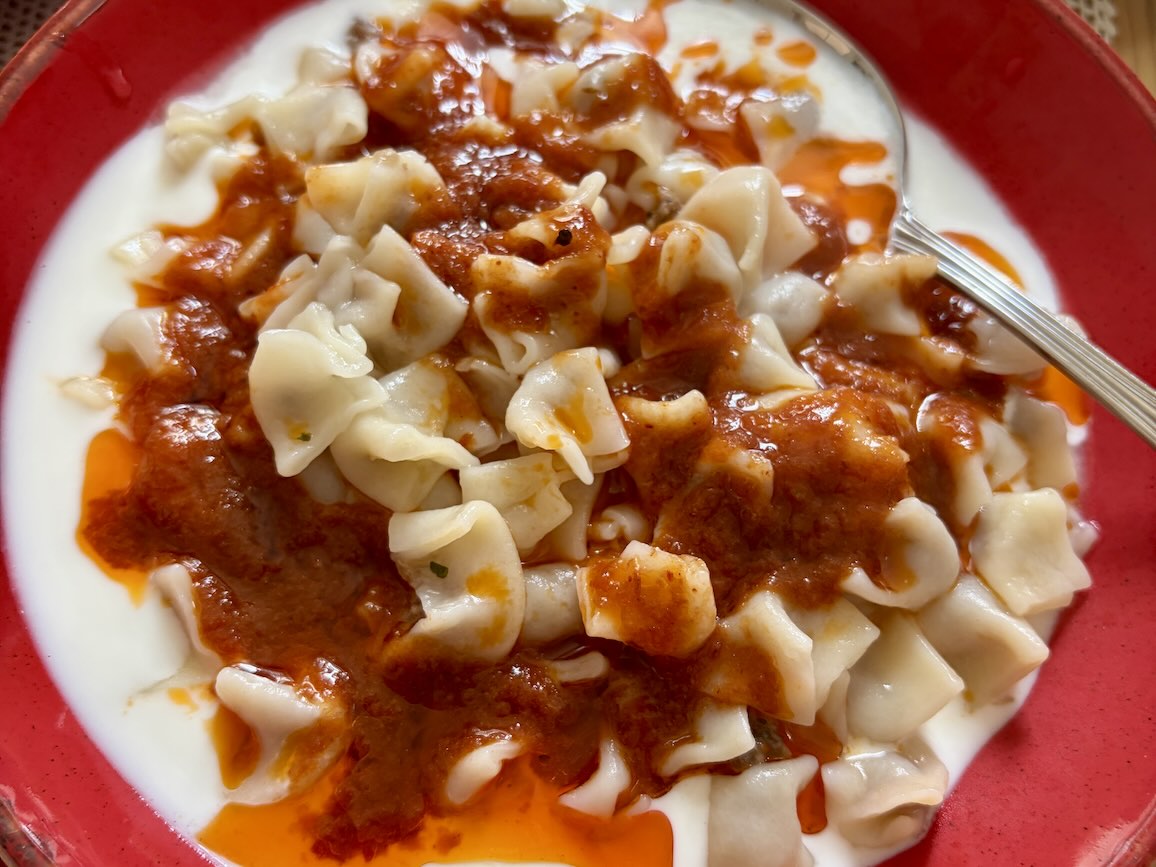
In Ürgüp, inside Tık Tık Kadın Emeği, it was the small percussion of rolling pins and knives against wood. Tık, tık, tık sounds echoed as women shaped dough into mantı by hand. Before the plate, there was movement. Women sat around low tables, rolling and cutting dough in a bright, open kitchen where the process felt as important as the meal. The restaurant began as an initiative to bring women’s domestic knowledge into public life, creating income, visibility, and purpose from culinary work. The project began in 2006 and now involves dozens of housewives, with profits helping fund scholarships for female students.
(By The Knockturnal)
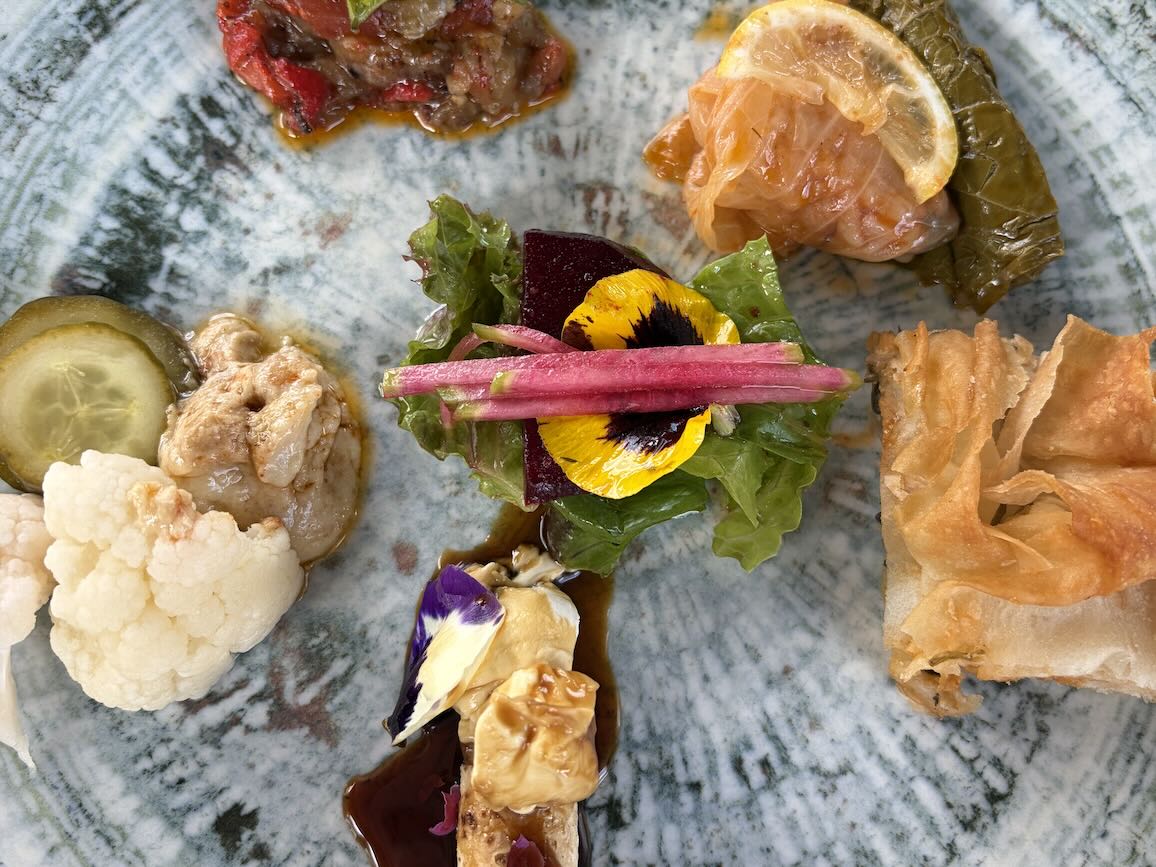
This changed the appreciation for the meal. The food was not just “authentic,” a word that can start to mean almost nothing when it gets used too much. It was active. It supported a system of women making, earning, teaching, and being seen. The women were warm and showed how the pasta was made with detail and pride. There was Ürgüp Tarhanası (a traditional yogurt soup), red sauce over mantı, fermented vegetables, yogurt, and Halvah. The red-rimmed plates and sauce-streaked dumplings looked unfussy, almost homey, but the real beauty was above the table. Women gathered around dough, hands moving with the casual precision of repetition. Our group had come from the other side of the world, and for a moment the connection was not built through language. It was built through flour, water, motion, and the generosity of being invited into the making of something.From hands, Cappadocia also leaned toward earth and fire. At Gorgoli in Mustafapaşa, the dining room sat elevated perched above the restaurant, with an indoor-outdoor feeling that made the meal seem framed by the village itself. Arches, carved interiors, shaded terraces, and patterned floors surrounded the table. The table began with the kind of mezze spread that makes conversation briefly impossible because everyone is reaching for something at once. Bread, pickles, eggplant, beans, and small bowls filled the center. The plates formed a generous circle of small colors of greens, creams, and charred edges.
(By The Knockturnal)
The highlight was testi kebabı, the Cappadocian clay-pot kebab. The clay of the pot connects back to Avanos, to the Kızılırmak River, to the region’s red soil and pottery traditions. Meat, vegetables, aromatics, and fat are sealed inside a clay vessel, then left to cook slowly until the ingredients soften into one another. Heat builds, steam gathers, juices stay trapped, and the flavor develops because it has nowhere to escape. When the pot is finally opened, the reveal becomes part of the meal.
Cappadocia’s more polished restaurants brought that same sense of place and technique into a finer dining room. At Lil’a, the view stretched outward over the region at dusk while the table leaned into richness. The bread interestingly enough, was the favorite. Served with whipped brown butter, it was light, rich, and almost too easy to keep eating. The signature lamb arrived sizzling, heavy, juicy, and deeply savory.
Revithia continued that richness. The plates were sculptural with creamy sauces, foams, herbs, and lamb tucked into vessels. The lamb again was the standout, tender to the point of feeling almost unreasonable.
After Cappadocia’s slow heat, Istanbul brought a different kind of appetite. The food moved faster through crowded streets and the constant rhythm of a city that seemed to feed itself without pausing. On Hocapaşa Street in Sirkeci, the meal was not slow or ceremonial. Communal tables turned quickly. Plates of skewers landed, disappeared, and were cleared for the next guests. The street is known for traditional restaurants, cağ kebabs, pides, meatballs, and the kind of high-turnover appetite that makes a place feel trusted by locals and food obsessives alike. The lamb skewers were tender and flavorful in the direct way grilled meat should be. No elaborate explanation needed. Just heat, salt, smoke, and the realization that five skewers can disappear with ease. The food was made to be eaten now, while the table was still warm from the last person and the next plate was already coming.
Arkestra, in Istanbul’s Etiler neighborhood, offered the most modern interpretation of the week. Set inside a restored 1960s villa, the restaurant moves through fine dining, music, and design with a confidence that feels very Istanbul now. Snow peas with lor cheese cream. Sea bream crudo. Cabbage sprouts with tonnato. Stone bass with chickpeas. Beef short ribs. Then came the katsu sando: panko-fried beef tenderloin inside soft shokupan, juicy and exact.
The katsu sando did not feel like Istanbul trying to imitate somewhere else. It felt like Istanbul doing what Istanbul does well. It absorbed an outside reference, made it richer, and served it with complete confidence. Japanese milk bread, French technique, local appetite, polished service, and a deep affection for decadence all met in one extremely convincing bite. It tasted more like a translation than fusion. Arkestra showed that contemporary Turkish gastronomy does not have to choose between depth and reinvention. It can be technical and still generous, global and still grounded.
Octo, at JW Marriott Istanbul Bosphorus, brought the trip closer to the water. The table there leaned into a more contemporary, seafood forward language. The pistachio colored finishes and composed plates that felt more urban than rustic. It showed Istanbul’s waterfront appetite as modern, polished, and still tied to the sea moving just outside.
By the end, the Turkish table felt like tradition translated with momentum. Dough moved under women’s hands. Lamb softened inside clay. Wine carried the mineral memory of volcanic soil. Skewers moved quickly through Istanbul’s lunch rush. A katsu sando took a global form and made it feel unmistakably local in appetite. What made the food shine was not only flavor, but the hands, heat, soil, technique, and confidence that shaped every plate before it reached the table.
