TIFF is a not-for-profit cultural organization with a mission to transform the way people see the world through film.

TIFF is a not-for-profit cultural organization with a mission to transform the way people see the world through film.
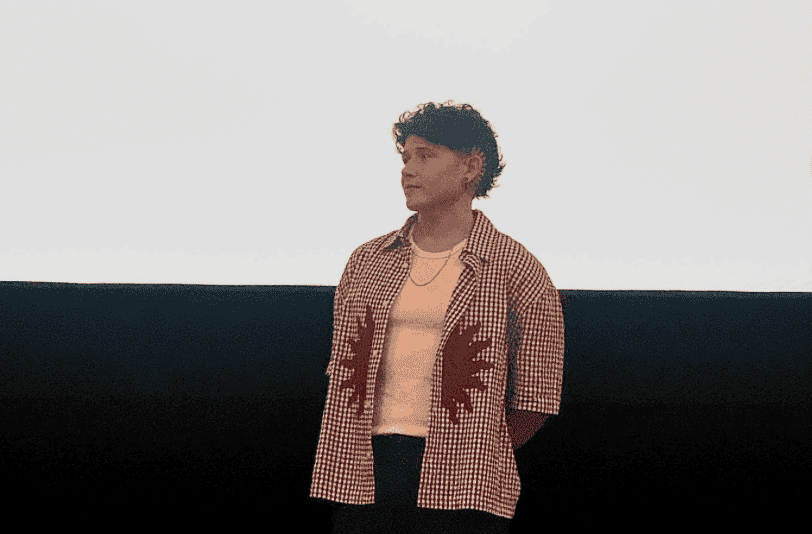
El Museo del Barrio lights up its historic theater with an extraordinary lineup of short films for “Noches de Cine”.
Originally created as a space to help Puerto Rican children in East Harlem connect with and celebrate their culture, El Museo del Barrio has spent more than 50 years carrying that mission forward. Today, that same commitment to community and cultural storytelling extends beyond the museum’s galleries and into its historic theater. Through Noches de Cine, the museum brings an exciting selection of short films to the big screen. Spotlighting stories that explore Puerto Rican, Caribbean, Latin American, and Latine identities while celebrating the diverse voices shaping these communities today.
The creative force behind these extraordinary evenings is writer and producer Sebastián Rea. A Queens native, Rea began his journey in the film festival world right here in New York before making the leap to Los Angeles, where he has worked across numerous projects, including Peacock’s Devil in Disguise: John Wayne Gacy. Now, Rea is returning home to curate Noches de Cine, bringing together a dynamic lineup of films that celebrate bold storytelling, culture, and the diverse voices of the Latinx community.
“So, looking for the films, I was very, cognizant about making sure that the films did not have, like, huge theatrical distributions that they weren’t, like, readily available online or streaming. Sure, you can like, rent these movies, maybe, but, it’s not just like on For free. So I feel like this is our opportunity to come in and, like, fill a gap, you know, like there’s a disparity between, like, access to these movies and exactly like, who gets to see these movies. It’s almost as if you’re not a cinephile or you’re not like in festival world or like art world like this, like you’re not going to see these movies.”
Noches de Cine opened with the Bronx-set film MAD BILL$ TO PAY, a heartfelt story centered on the complicated family dynamics of a young man who discovers he is about to become a father. The film has been described as a love letter to the Bronx, capturing the borough’s spirit while highlighting the importance of community, family, and identity.
“I really wanted to open with Mad Bills to pay, because I think it’s such a magical experience where it’s such a unique in on somebody’s life or a very specific. But we’ve all know people like this. Like, no matter where you’re from, like you, we have characters like this in our life, and and I thought that’s why that’s what that movie did in such a, in a magical way that you can see yourself in that movie and also like, you know, talk about accessibility like that.”
Much like the connection between an audience and the characters on screen, Rea is committed to creating a sense of connection among the attendees themselves. For him, Noches de Cine is about more than simply watching films. It’s about bringing people together through a shared love of storytelling and creating a space where community can thrive. That emphasis on connection is rooted in Rea’s own experiences within the film festival world.
“I want the community people to know like great, like next month, you know, we may I may not know you today or maybe we just met, but I know next month you’ll be at the screening, you know, and like you’re from on your face and like, we’ll start to cultivate community. And I think that’s the main goal. Also of the series is to cultivate community within our within each other and like, strengthen our bonds. ”
Creatives like Rea and the extraordinary team at El Museo del Barrio are creating a space where Latino storytelling can reach audiences far beyond the theater. In doing so, they are helping foster a new generation of voices and offering a glimpse into what the future of Latine filmmaking can look like.
“I don’t only want to see us on streaming. But I think that with a with with with like how, like, filmmaking has almost been more democratized with their tools use and also platforms like YouTube and things and like a the explosion of like question and things like, I think, we can start to know one, we don’t need permission to make our stories. And I think, like the future of Latino cinema will be that like us taking autonomy of how we tell our stories and where we distribute our stories. And, and so, like, I think that’s going to be really exciting.”

The Dog Stars delivers a bleak yet hopeful take on the post-apocalyptic genre, using compelling performances, emotional character dynamics, and meaningful themes of survival, trust, companionship, and purpose.

Let’s hear it for the shorts!

The New York City Premiere of the ultra-running documentary ‘Learning to Fly‘ brought athletes and creatives together for an inspiring rooftop screening.
Tubi’s latest and highly anticipated film ‘Hive’ is out now, where Xochitl Gomez and Aaron Dominguez star as siblings trying to survive a horrifying nightmare that traps them in a fight for survival.

You haven’t really watched La La Land unless you’ve seen it in concert.

There is a delicate balance in translating a religious epic into the cinematic global blockbuster.

You can’t travel to any corner of the internet without seeing a crying video.

The advanced screening of Slanted at the AMC Century City has ignited a fierce debate that transcends typical film criticism. Directed by Amy Wang, the film arrived in Los Angeles with significant momentum after winning the Narrative Jury Award at the 2025 SXSW Film Festival. As it prepares to open in theaters next week, the conversation surrounding its portrayal of the Asian-American experience is reaching a fever pitch.
Reader beware of SPOILERS.
Slanted is a satirical body-horror film that follows Joan Huang, a Chinese-American teenager living in the South. In a desperate bid to win Prom Queen and find social acceptance, Joan undergoes an experimental, irreversible surgery to look white. Wang uses this “nightmarish” premise to explore the extreme costs of seeking white approval, delving into themes of assimilation and internalized racism.
During a post-screening Q&A, Wang revealed that the concept originated in 2020, a year marked by a staggering rise in anti-Asian hate crimes. For some, the film captures the “unsubtle lunacy” of that era perfectly. It explores the delusions that children of color often indulge in when they lack a supportive community. It touches on the specific, “thorny” intrusive thoughts that come with being the only person of color in a “white-only utopia.”
However, the blunt satire has left a sour taste for many who feel the execution lacks a redemptive arc. The central criticism lies in Joan’s journey and the specific nature of her selfishness. Rather than the surgery serving as a cautionary tale or a catalyst for self-growth, Joan remains entrenched in her own survival at any cost.
Even as the film concludes, Joan offers no warning to the hundreds of others lined up for the same procedure. Instead of accepting her culture or shouting that being a person of color is beautiful, she continues to hide herself, allowing the demand for the “white” procedure to grow even larger. This lack of a “pay it forward” moment or a shift toward community care makes the character feel less like a victim of circumstance and more like an active participant in the erasure of her own people.
There is a significant difference between understanding a directorial concept and agreeing with its execution. It is possible to fully grasp the message Wang is trying to convey, the horror of how racism forces one to self-destruct, while still disagreeing with the approach. For many viewers, the plot kept shouting how wonderful it is to be white, rather than highlighting the beauty of the original self.
Critics argue that the ending feels like a “slap in the face” for people of color. By concluding with a message that feels like “if you can’t beat them, be them,” the film risks reinforcing the idea that whiteness is a superior state of being. The lack of a redemptive arc for the protagonist leaves the audience with the heavy realization that, in this world, there is no pride to be found, only a “beautifully grotesque” surrender.
While many have drawn comparisons to The Substance, those who have seen Slanted argue that it is a separate piece of art entirely. Where other films might focus on the visceral horrors of aging or general beauty standards, Slanted deals with the psychological horror of self-hatred and the physical permanence of racial erasure.
Whether Slanted is a sharp-toothed masterpiece or a misfire that reinforces the status quo, it has undeniably forced a conversation about the immigrant experience and the “un-reversible” choices made in the pursuit of a dream that was never designed for everyone.