‘Tis the season for the Grammys — and GBK Brand Bar’s exclusive, invite-only Annual Pre-Grammy Luxury Lounge. Held at the newly renovated W Hotel Hollywood, the star-studded affair brought together Grammy nominees, honorees, past winners, and tastemakers for a glamorous preview of what’s next in music, tech, beauty, and travel.
Featured
Best Fragrances for the Month of Love — and Where to Wear Them in NYC
Whether solo, with friends, or on a romantic date, February in New York is filled with moments worth savoring. The city’s chilly air, cozy interiors, and candlelit tables make every outing feel special — and you want to smell as good as what’s in your glass and on your plate. This month of love is the perfect excuse to match your fragrance to the vibe of the restaurant you’re dining in — because scent sets the tone before the first sip, lingering in memory long after the last bite.
Four-time Pro Bowler Christian McCaffrey and his brother, Washington Commanders wide receiver Luke McCaffrey, scored a perfect “shift” at Raising Cane’s this week in California.
Steven Tyler Turns GRAMMY Night Into Purpose, Raising $4.1M for Janie’s Fund in Hollywood
Music, meaning, and major money came together at the 7th Annual Jam for Janie GRAMMY Awards® Viewing Party, hosted by Janie’s Fund — the philanthropic organization founded by rock legend and humanitarian Steven Tyler.
Harry Lighton’s Pillion is a striking debut feature that announces its intentions early: this is a film unafraid of discomfort, ambiguity, or contradiction. Starring Alexander Skarsgård and Harry Melling, it explores intimacy, power, and self-discovery with a candor that is rare in mainstream cinema. While its subject matter may narrow its audience, Pillion distinguishes itself through careful performances, tonal control, and a clear refusal to simplify the emotional terrain it enters.
The story centers on an unlikely connection between two men whose lives operate on very different frequencies. Melling plays a socially awkward, emotionally guarded young man whose routines provide structure but little fulfillment. Skarsgård portrays his counterpart as confident, commanding, and opaque, a figure who seems entirely comfortable occupying space and setting terms. The film’s tension arises not from plot mechanics but from the evolving dynamic between these two personalities, as attraction, curiosity, and uncertainty intertwine.
Melling delivers a performance of considerable sensitivity. His character could easily have been reduced to a collection of familiar traits—shyness, insecurity, passivity—but Melling resists caricature. Instead, he conveys a quietly observant interior life, suggesting intelligence and self-awareness beneath the hesitancy. Small physical choices—hesitant posture, fleeting eye contact, nervous humor—build a portrait of someone both fearful of and hungry for transformation. It is a performance that asks for patience from the audience and rewards it with emotional credibility.
Skarsgård’s role is more enigmatic by design. His character exerts control not only through physical presence but through restraint, often revealing little about his inner world. Skarsgård leans into this opacity, crafting a figure who is charismatic yet difficult to read. At times, this distance can feel frustrating, but it also mirrors the perspective of the other character and reinforces the film’s themes around imbalance, projection, and desire. Skarsgård’s stillness becomes a narrative tool, allowing the audience to feel both the allure and the unease of such authority.
Lighton’s direction is measured and confident, particularly notable given the potentially sensational nature of the material. Rather than pushing for shock value, the film often emphasizes awkwardness, negotiation, and emotional consequence. Scenes that could have been played for provocation are instead grounded in character psychology. The camera frequently lingers at a respectful distance, allowing moments to unfold without editorializing. This restraint helps maintain a tone that is reflective rather than exploitative.
Visually, Pillion favors muted palettes and uncluttered compositions, reinforcing the emotional isolation of its characters. The cinematography avoids overt stylization, opting instead for a naturalistic look that keeps attention focused on faces, gestures, and silences. The pacing is deliberate, sometimes even austere, which may test viewers accustomed to more conventional narrative momentum. However, this rhythm aligns with the film’s interest in incremental change rather than dramatic revelation.
One of Pillion’s most notable strengths is its refusal to instruct the audience on how to feel. The film presents a relationship shaped by clear imbalances—emotional, experiential, and interpersonal—but it does not frame these dynamics in simplistic moral terms. Instead, it invites viewers to sit with ambiguity and consider how agency, consent, and self-definition can coexist uneasily. This approach will resonate strongly with some and alienate others, but it reflects a thoughtful commitment to complexity.
The film also benefits from moments of dry, sometimes uncomfortable humor. These touches prevent the tone from becoming overly solemn and highlight the absurdities that often accompany vulnerability. Humor here is not used to deflate tension but to humanize it, acknowledging that intimacy is frequently strange, embarrassing, and inconsistent.
That said, Pillion is not without limitations. Its narrow focus and emotional reserve may leave some viewers feeling distanced, particularly those seeking clearer insight into all characters involved. The film’s restraint, while admirable, occasionally borders on withholding, and certain emotional beats may feel underdeveloped as a result. These choices appear intentional, but intention does not always translate into satisfaction.
Ultimately, Pillion is a film that prioritizes emotional honesty over comfort and observation over explanation. It is anchored by strong performances and guided by a director willing to trust both his material and his audience. While it may not offer broad appeal or easy takeaways, it stands as a confident, thought-provoking work that lingers precisely because it refuses to resolve its tensions neatly. For viewers open to challenging subject matter and understated storytelling, Pillion offers a distinctive and quietly compelling experience.
It was music’s biggest night—a cultural coronation draped in couture and soundtracked by the industry’s most daring icons. Whether you’re here for the fashion highlights or the show-stopping medleys, we’re keeping score on the moments that truly hit all the right notes.
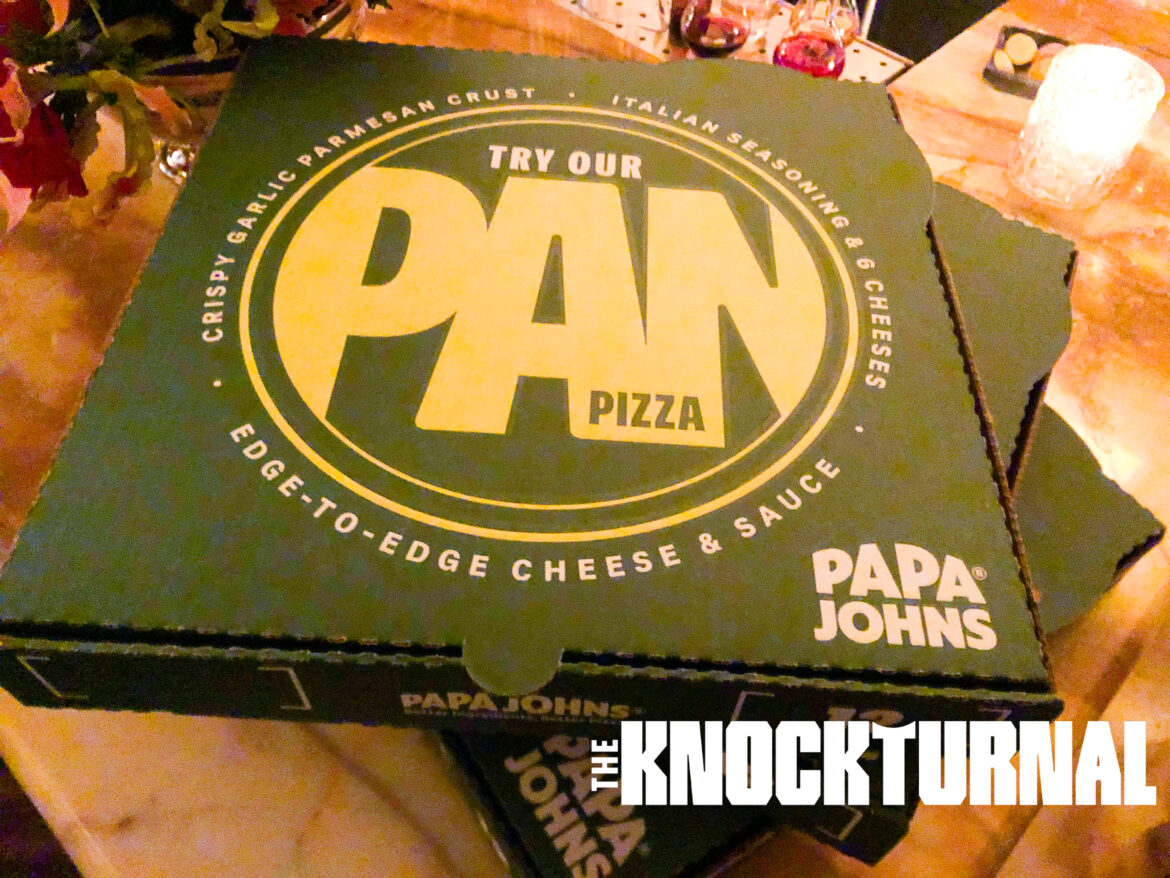
The Knockturnal Brings Readers Inside Papa Johns Pan Pizza VIP Tasting in New York
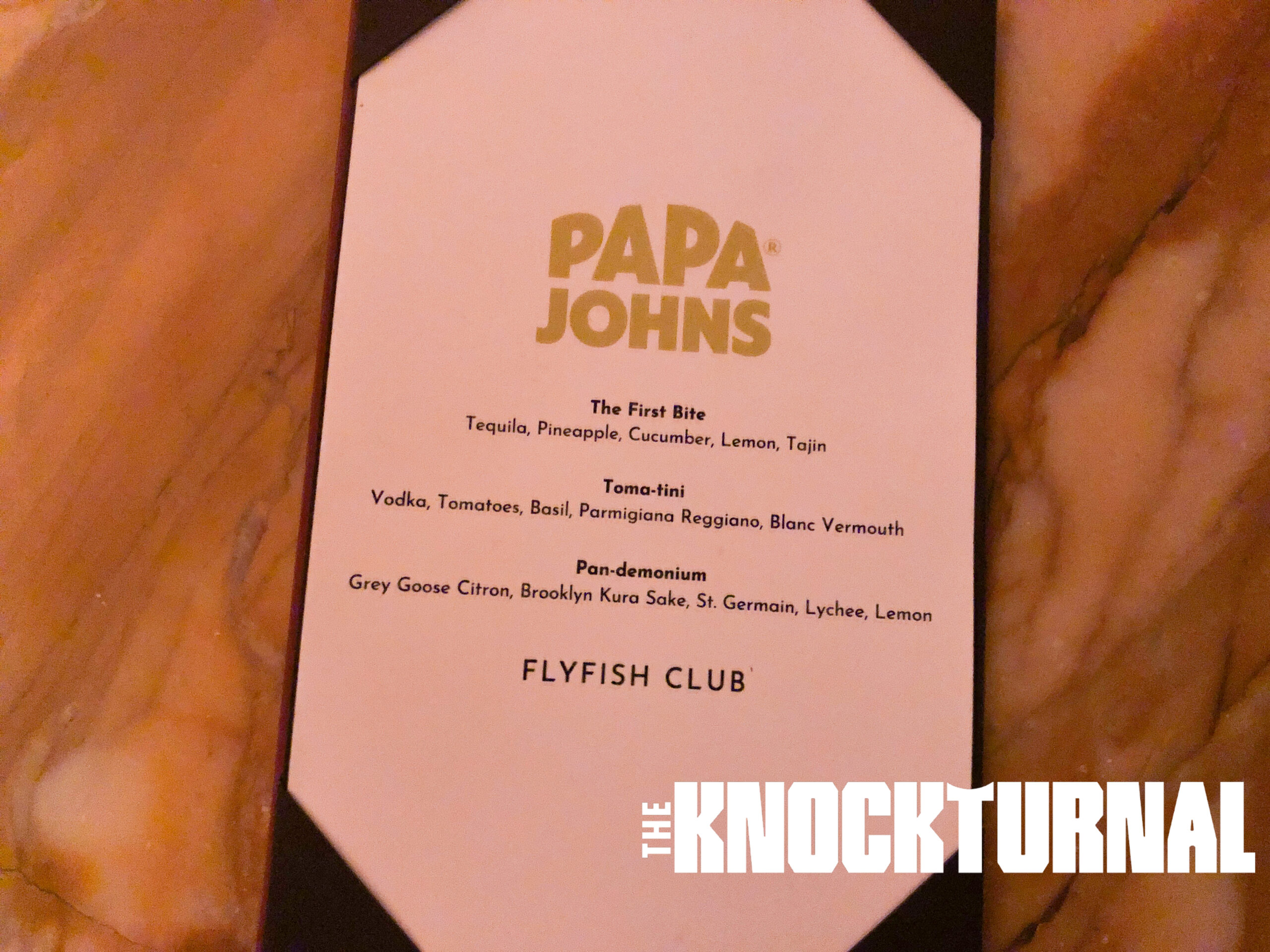
An exclusive tasting of the new Papa Johns Pan Pizza was held in New York City at the VIP First Bite Experience at FlyFish NYC, bringing together journalists, influencers, and content creators to sample the highly anticipated menu item.
The Knockturnal was also invited to cover the event and get a first-hand look at what makes this pizza different. Guests were able to watch the pizzas being crafted, learn about the inspiration behind the recipe, and experience the textures and flavors that Papa Johns has been refining for nearly a decade. The atmosphere was lively, with attendees sharing their reactions, taking photos, and getting a sense of the thought and care that went into every layer of the pizza.
Starting Thursday, January 29, fans nationwide will be able to enjoy the new Pan Pizza, which combines crispy, caramelized edges with a pillowy, airy center and a rich six-cheese blend. Jenna Bromberg, Chief Marketing Officer of Papa Johns, explained that the relaunch is the result of nearly ten years of development. She said the brand took a consumer-focused approach, making sure every detail of the pizza met high expectations for flavor and quality. Bromberg added that this is more than just a menu item returning as it is a reimagined pan pizza that honors its nostalgic roots while delivering a bolder, more indulgent experience that feels distinctly Papa Johns.
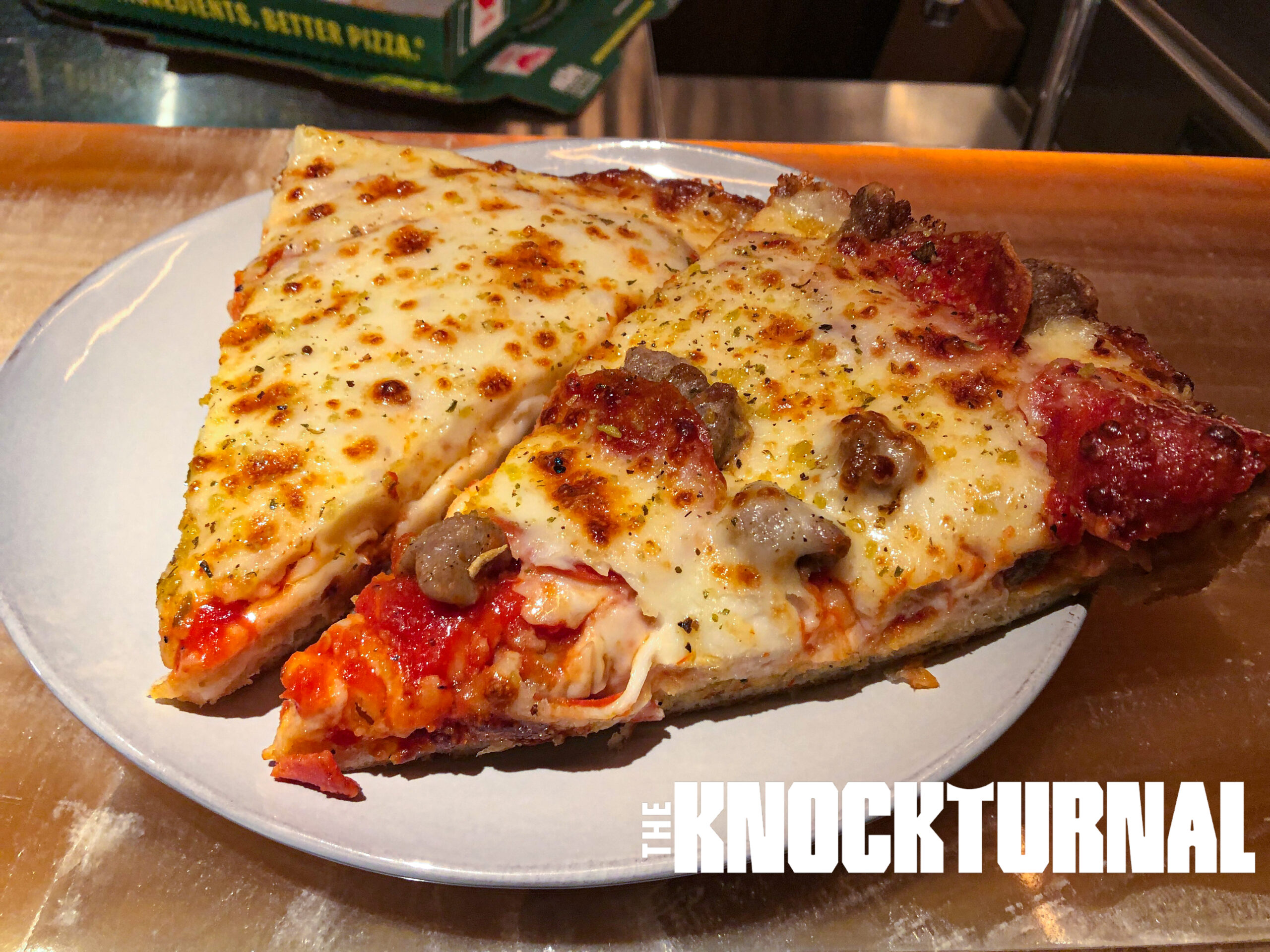
The new Pan Pizza is built to deliver a rich and satisfying experience from crust to topping. The thick, fluffy crust has an airy interior, and parmesan cheese and Papa Johns’ special garlic sauce are baked into the bottom of the pan for a golden, caramelized finish with a savory, crispy crunch. The pizza is topped with a six-cheese blend made from mozzarella, provolone, fontina, asiago, parmesan, and romano. It is designed to hold up to seven edge-to-edge toppings and finished with a light dusting of Italian seasoning. The pizza contains no artificial colors or flavors, letting the natural richness of the ingredients shine.
In a mini review, I think the Pan Pizza tastes noticeably different from the usual Papa Johns offerings. The combo of caramelized edges, airy interior, and indulgent cheese makes it feel like I am eating a Detroit-styled pizza and that is a good thing in my opinio n. It is richer and bolder than expected, with a flavor and texture that is very satisfying. The relaunch shows that even a classic pizza can evolve to meet modern tastes while staying true to the nostalgia fans love, making this Pan Pizza a must-try for anyone looking for something familiar yet new.
The Grammys may celebrate sound, but behind the scenes, Distinctive Assets has been celebrating the art of making music’s biggest stars feel seen, spoiled, and appreciated for the past 26 years.
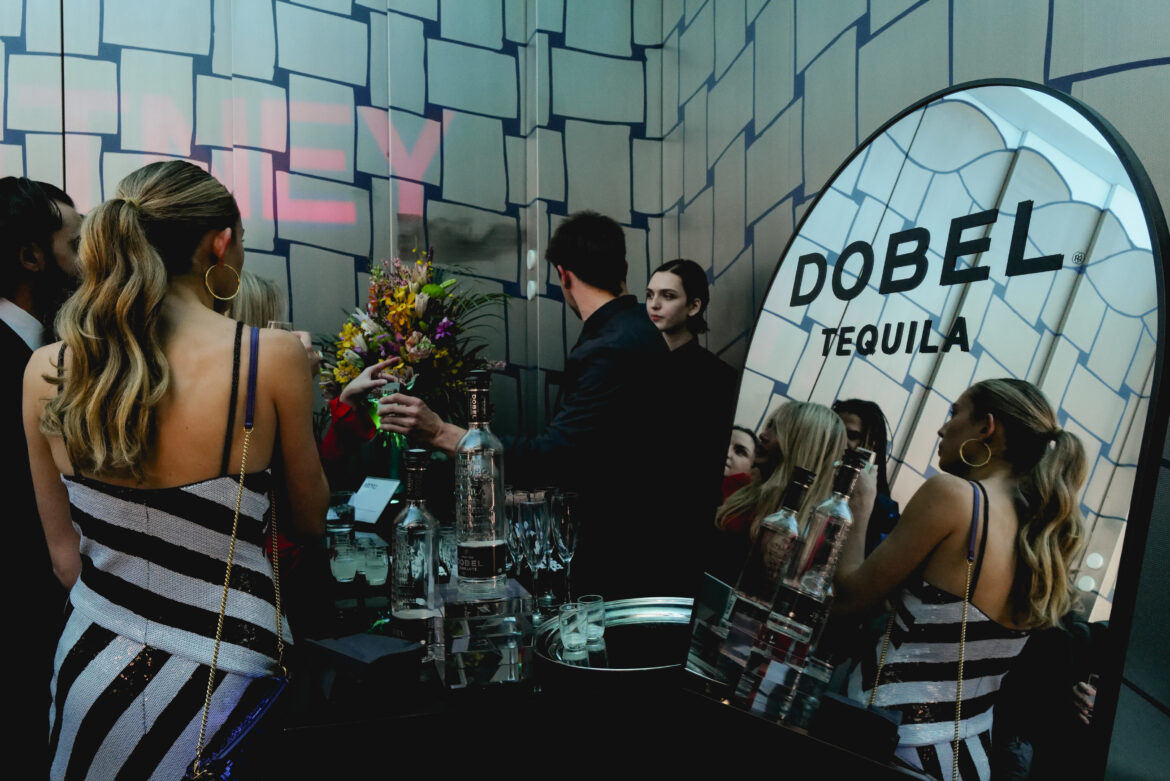
Dobel Tequila proudly sponsored the Whitney Museum’s 2026 Art Party in a bold and beautiful way.
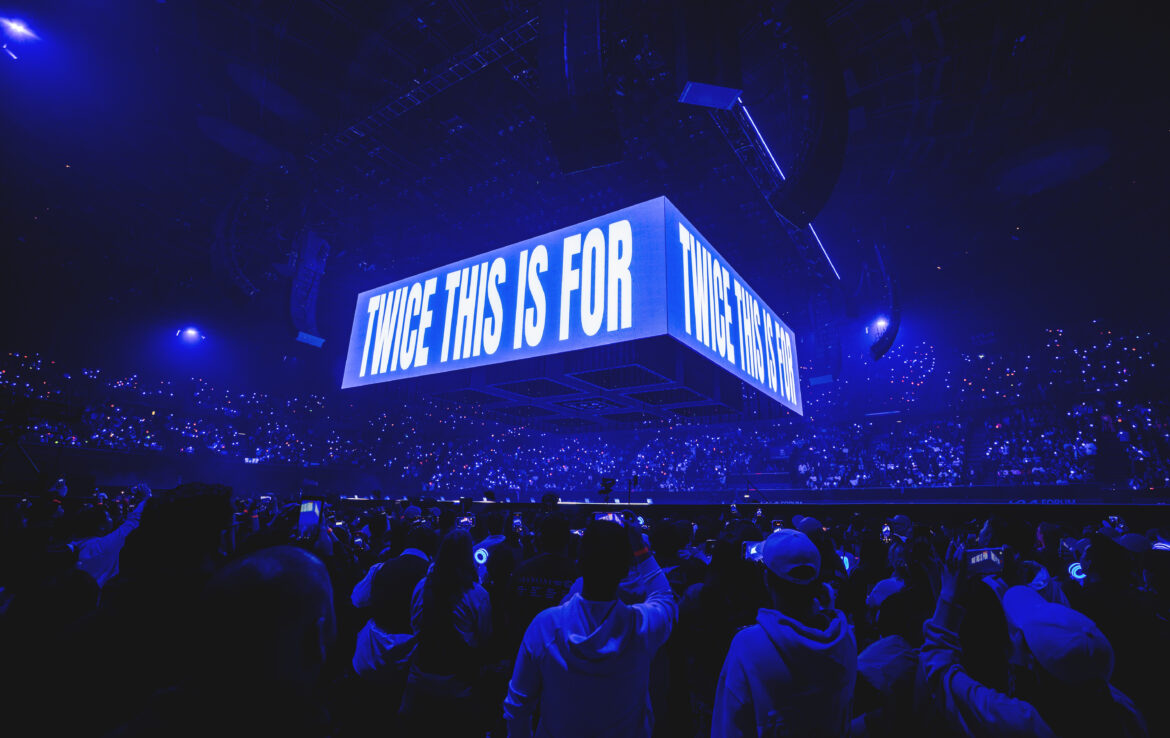
THIS IS FOR: K-Pop Sensation TWICE Takes Over Los Angeles for Four Nights at the Forum
The K-pop sensation girl group TWICE is shining brighter than ever on their THIS IS FOR world tour, marking their sixth ever world tour and the first in support of their fourth full-length studio album, THIS IS FOR.