
The cast of JaJa’s African Hair Braiding received a warm standing ovation after putting on a stellar performance at the Samuel J Friedman Theatre in New York. This comedic play had audiences share lots of laughter as the show told a remarkable story through the lens of Ghanaian-American playwright, Jocelyn Bioh.
Jaja’s African Hair Braiding follows an eclectic group of West African immigrant hair braiders creating masterpieces on the heads of neighborhood women over the course of a day. This bustling hair braiding salon in Harlem is home to black women who not only are in need of a protective style but also their daily fix of community gossip. As the story unfolds, we get a sneak peek into the lives of this tight-knit community while they confront what it means to be an outsider on the edge of the place they call home.
The outstanding performance of this ensemble gets five stars as each character didn’t fail to make a lasting impression on the viewers. The play opens up with Marie, played by actress Dominique Thorne, running late from having insufficient funds on her MetroCard — The joys of living in New York. Marie, who although wants to secretly be a writer, runs the shop for her mother, Jaja (Somi Kakoma). Joining her was Miriam (played by Brittany Adebumola), a quiet but fierce Sierra Leonian who also is pretty hands-on at the salon.

After finally opening the front gate, we immediately see the stage transform into a dazzling African braiding salon. This production set captures very intricate details that mimic a real-life braiding shop you would see in most cities, From the array of hair photos plastered on the walls, to the packs of braiding hair hung for customers to choose from. Seeing the characters interacting with their environment added a nice touch making audience members feel as if they were eavesdropping in on the gossip.
Hairdressers Bea (Zenzi Williams) and Aminata (Nana Mensah) completely stole the show the moment they stepped on stage. They both serve as comedic relief in the play and kept audiences entertained with their reckless banter. Ndidi (Maechi Aharanwa) is the other hairdresser that works at JaJa’s hair shop, braiding the fastest and makes the most money. This of course causes conflict with Bea, a veteran braider, who often times feels unappreciated as Ndidi gains a new client.
Throughout the story, we see the different types of pesky customers the braiders had to encounter during their salon visits. Jennifer (played by actress Rachel Christopher), was one of the customers who had front row seats to the circus that went on at the shop. Her facial expressions watching the chaos unfolds represents what the audience members felt in those crucial moments of conflict. Actresses Kalyne Coleman and Lakisha May did a fantastic job embodying those very pesky customers. With each encounter, we learned more and more about the interesting dynamic between the hair braiders while they all try to achieve the same goal — living the American dream. Actor Michael Oloyede made unforgettable appearances playing hilarious characters that sell random items to the ladies like socks, DVD’s, and even Jewelry. Again — the joys of living in New York.

The Afrobeats music playing in between scene transitions added another layer of authenticity that brought the story together. We got to hear some song from today’s mainstream African artist and the audience couldn’t help but catch the rhythm from their seats.
It’s admirable that even though the story was told from the perspective of Africans, it still hits home for many who experience life as an immigrant or being a child of an immigrant.
Now, for the star of the show, the phenomenal wig designs! These wigs were designed by Nikiya Mathis and each hair had a unique look that shows the diversity of protective styles we often see black women rock in modern-day society. Whether it be the straight-back cornrows with the designs or small (and time-consuming) micro braids, we know the African aunties are going to have their customers leaving the salon satisfied.

JaJa’s African Hair Braiding has been extended to November 5th and you can purchase your tickets online or at the Samuel J. Friedman Theater.


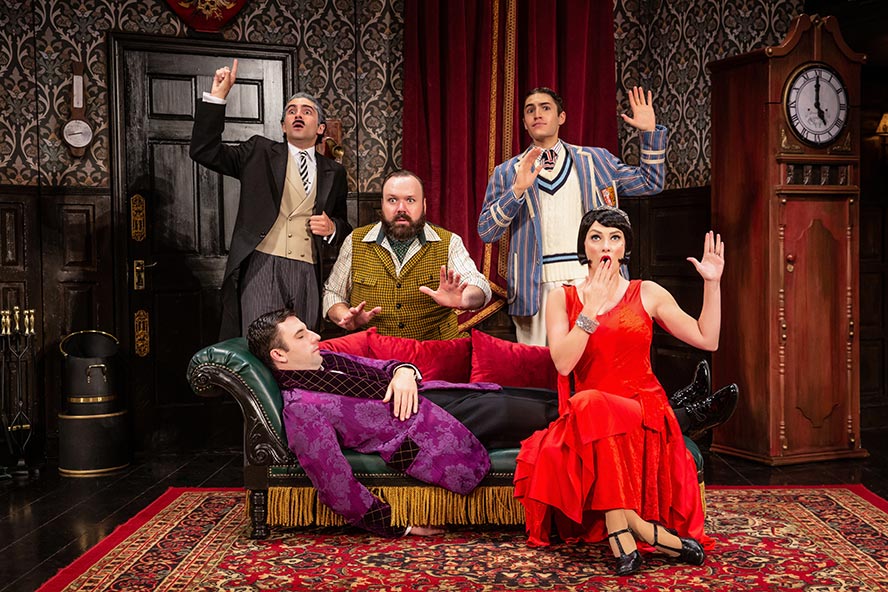
 Annie duct-taped a broken mantelpiece to the lefthand wall. Then, Trevor duct-taped a leatherbound book to the shelf. Unfortunately, they said that a dog had run off as well. They hoped to find him before the second act. Then, they exited the stage.
  Perkins still could not get the door open. Soon, it swung open. The stage crew characters looked at the audience with gaped mouths. The play continued with more jokes.
 The stage crew characters and actors cleaned the stage. Annie vacuumed and Thomas placed orange cones down. Perkins held up a can of paint thinner. A lady in a black shirt grabbed a ladder while another woman brought out a replacement window. The curtain closed again and reopened.


