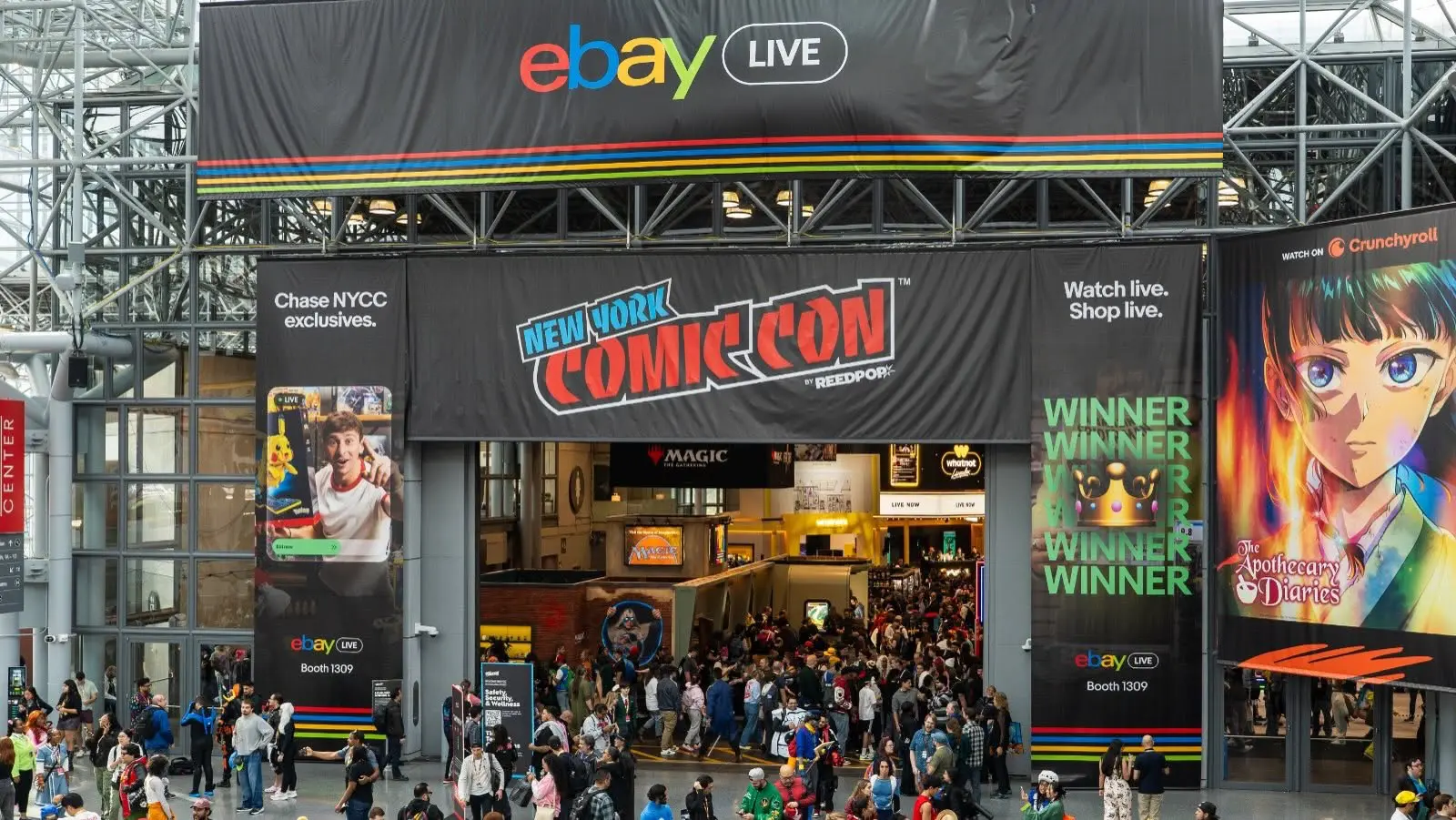
New York Comic Con had a milestone to celebrate this year, but its 20th anniversary fell short of expectations.
With few major celebrity guests, a limited number of must see panels and little on the show floor to distinguish this edition from previous years, the convention struggled to make the occasion feel special. Slapping a 20th anniversary graphic on merchandise and signage only goes so far when the programming fails to deliver a memorable experience. Unless you were in attendance at that panel when Brandon Rogers verbally savaged a fan who interrupted it.
The panel schedule was one of the biggest problems. Several interesting panels happened at the same time, forcing attendees to choose between events they wanted to see, while other stretches of the weekend felt empty. With programming spread across four days, there should have been a better balance that allowed fans to experience more of the convention. Instead, planning the weekend often meant deciding which opportunities to miss.
Sunday offered the clearest example of the programming problem. We left more than an hour earlier than planned because there was little remaining that felt worth staying for. Rain pushed more attendees onto the show floor, adding to congestion, while the lighter Sunday panel schedule gave people fewer reasons to spread out across the convention center. I did not reach the floor until after 11 a.m. that day, and moving around was easier than Saturday, aside from a few crowded areas.
Some choices surrounding the biggest panels also raised questions about how New York Comic Con allocated its space. The Main Stage interview with Walker Scobell of Percy Jackson and the Olympians felt like an odd fit for one of the convention’s largest venues. Scobell and the series have their fans, but the interview did not feel substantial enough for a stage of that size during a milestone anniversary. Franchise announcements, reunions and exclusive previews could have given attendees more reasons to prioritize the Main Stage.
Press scheduling created another headache throughout the week. Many interviews were pushed late into the afternoon, with some scheduled between 3 p.m. and nearly 7 p.m. That made it difficult for journalists to balance interviews with panels and show floor coverage.
The show floor had its own problems, particularly the widespread presence of AI generated banners and displays. Artist Alley should celebrate the creativity and individual styles of artists, yet AI generated imagery was visible throughout the space without any meaningful discussion of the issue. At a convention where independent artists are a major attraction, New York Comic Con should do more to distinguish original artwork from AI generated material.
Merchandise pricing was another frustration. Some vendors appeared to price collectibles according to secondary market speculation rather than retail value. Seeing comic shops selling Pokémon 30th anniversary cards at two or three times retail pricing only encourages the scalping culture that makes collecting more expensive for everyone. Retailers can charge what they want, but inflated prices risk alienating the customers who keep their businesses running.
The ground level activation area also felt like a missed opportunity. This year, expensive food vendors and three towers promoting the Godzilla Minus Zero energy drink collaboration stood out among the limited attractions. With the Street Fighter movie on the horizon, NYCC could have created a more engaging experience by bringing the giant arcade cabinet that appeared in Times Square earlier in the week to the convention floor. An interactive installation would have connected gaming, nostalgia and movie promotion while giving fans something memorable to experience.
Crowds are nothing new at NYCC, and rain made navigating the floor harder by pushing more people indoors. Strollers added to the frustration, with attendees repeatedly having to move out of the way as they were pushed through congested areas. Families should be able to attend, but NYCC needs clearer guidance for stroller use in its busiest aisles to improve safety and movement.
This year’s New York Comic Con felt like an anniversary in branding rather than execution. There were still artists to discover, collectibles to browse and fans celebrating the franchises they love, but those positives struggled to overcome the lack of major programming, uneven scheduling, inflated merchandise prices and underwhelming activations. With rumors of it possibly extending to 5 days in 2028, Reedpop needs big name studios to fill it up like San Diego Comic Con does.
Twenty years is a major milestone for a convention that has become an important gathering place for pop culture fans. NYCC has built a loyal audience, but that loyalty should be a reason to keep improving. Fans deserve programming that respects their time, an exhibitor floor that celebrates creativity and activations that make the trip worthwhile. This year’s anniversary needed more ambition, and the next edition should give attendees a stronger reason to celebrate.
