Known for its colonial landmarks and city life, Boston has come to be known as the city people associate with Massachusetts, but just outside the city walls lies Western Massachusetts. A New England region with all of the charm and more of the laid-back feel that some might be looking for.
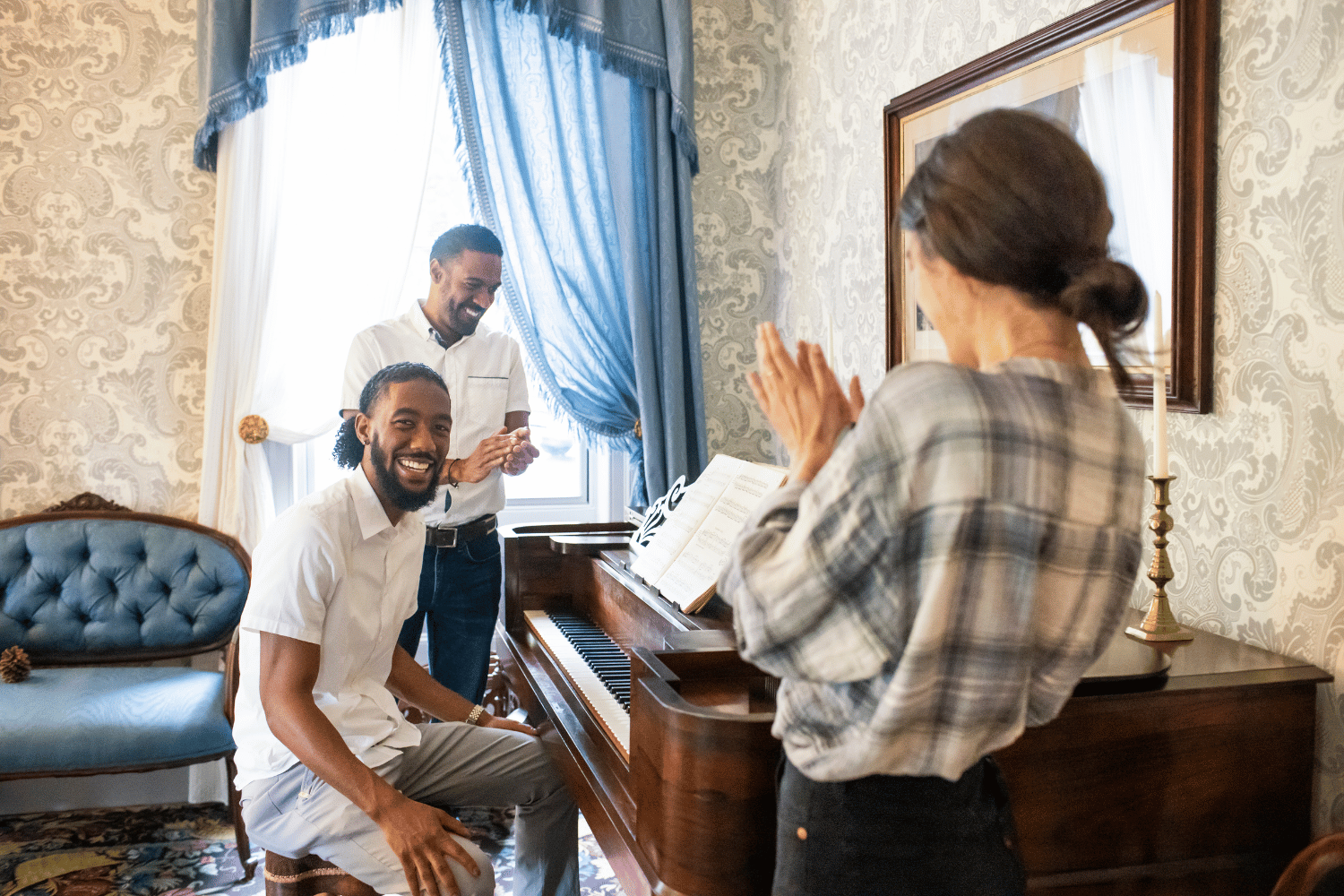
Historic taverns replace packed seafood spots, literary landmarks sit minutes away from local bookstores and marketplaces, and even the museums feel more intimate and community-centered. The Emily Dickinson Museum offered one of the most memorable stops of the trip, not just because of Dickinson’s literary legacy but because of how carefully the museum preserves the world around her. Inside the home, the restoration process is part of the story. Guides pointed out how original wallpaper was discovered beneath plaster, how carpet patterns were recreated from family descriptions, and how objects from Dickinson’s life have been preserved, sourced, or thoughtfully reconstructed. Her bedroom remains the emotional center of the house, often described as a pilgrimage site for visitors from around the world who come to stand in the space where much of her work developed.
(Courtesy of Explore Western Mass)
The tour also highlighted Dickinson’s writing process, including how she often wrote on scraps of paper, envelopes, and even wrappers when inspiration struck. Across the lawn at The Evergreens, the home of her brother Austin and sister-in-law Sue, the story widened even more, touching on family, legacy, and Sue’s role as one of the few people invited into Dickinson’s creative world. It made the museum feel less like a static historic house and more like a living archive of art, memory, and the people who helped carry Dickinson’s work forward.
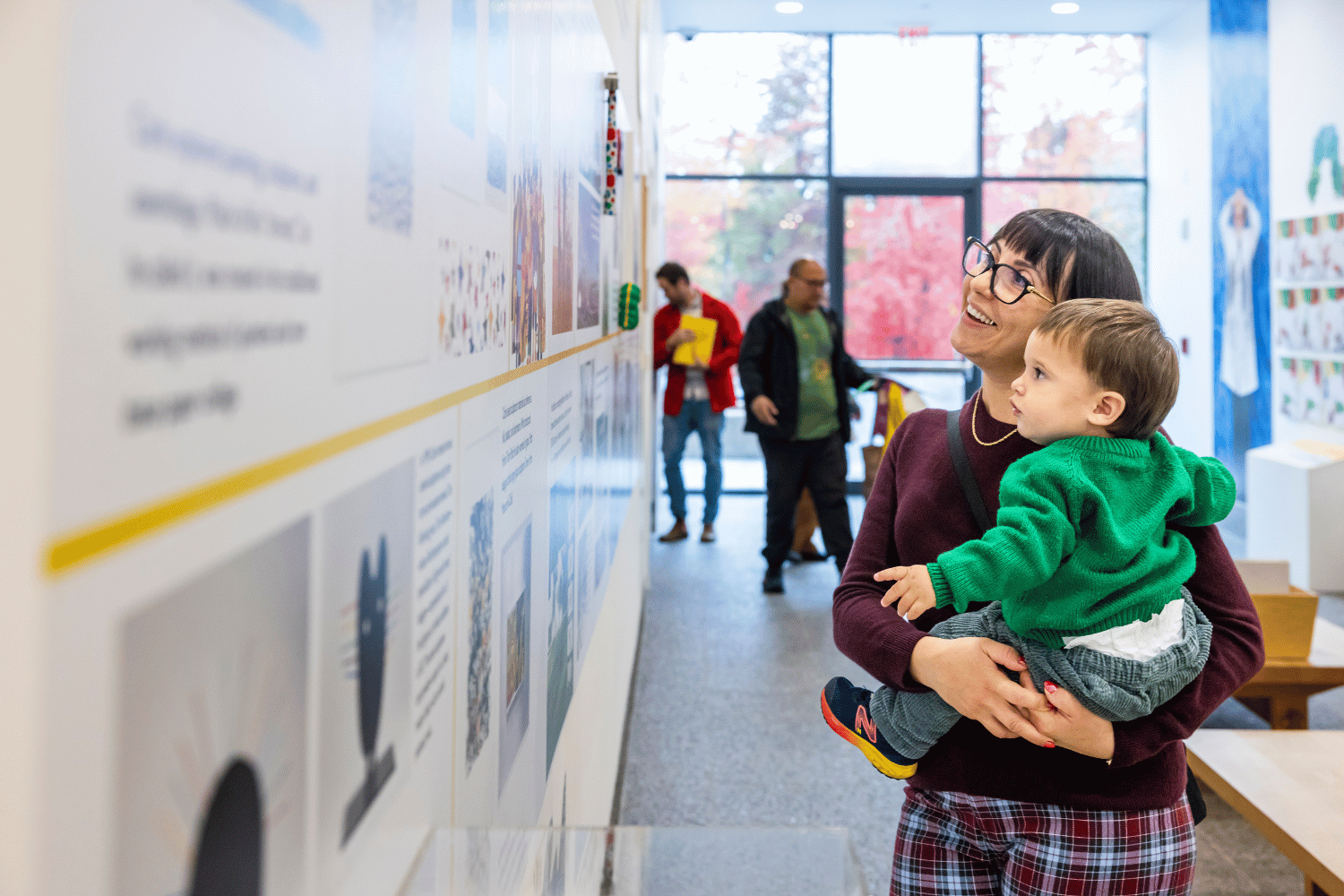
The Eric Carle Museum of Picture Book Art added a playful, visual layer to the trip. During a tour with Sandy Soderberg, Community Relations Manager, the museum came across as much more than a tribute to The Very Hungry Caterpillar. In the West Gallery, which is always dedicated to Carle’s work, the current Cooking with Eric Carle exhibition explores food imagery across his books and his personal connection to food. Sandy pointed to early projects like Red Flannel Hash and Shoo-Fly Pie, a cookbook of folk recipes from across the U.S. that Carle illustrated using linoleum blocks, as well as Walter the Baker, a story inspired by a tale his grandmother told him about pretzels. The tour also highlighted Carle’s process, from preliminary sketches and storyboards to his cut-paper collage technique, where individual pieces of painted paper were layered rather than painted directly onto the board. Even his everyday life became part of his art practice, including restaurant guest checks he doodled on and yogurt lids he used to mix paint, which he later saw as compositions in their own right.
(Courtesy of Explore Western Mass)
Beyond Carle’s work, the museum treats picture books as serious art, with rotating exhibitions on magical beings, photography in children’s books, and global illustrators. With bilingual labels, reading areas, a 5,000-book library, a meadow named after Carle’s wife, and an open art studio inspired by his belief that visitors should be able to make art too, the museum felt both deeply thoughtful and genuinely welcoming.
Located in the heart of downtown Amherst, 30Boltwood blends the atmosphere of a historic New England inn with the energy of a modern community gathering space. During lunch at the hotel’s restaurant, the experience became less about dining and more about understanding how deeply connected the property is to Amherst itself. Jacob Robinson, Executive Director of the Amherst Area Chamber of Commerce, described the inn as both a longtime community anchor and an active hub for local events, meetings, and seasonal programming. Approaching its 100th anniversary, the property regularly hosts chamber breakfasts, business expos, receptions under its summer tent, and community gatherings tied to Amherst’s cultural calendar.
Beyond the hotel walls, Jacob painted a picture of a town shaped by local businesses, agriculture, education, and the rhythms of being a college community. He spoke about downtown block parties that draw more than 10,000 people; weekly farmers’ markets on the town common; sustainability festivals; and cultural events like the Global Village Festival, which brings together food, crafts, music, and local organizations. What stood out most was how interconnected everything felt. The farm-to-table food culture and nearby hiking trails to institutions like the Eric Carle Museum and the Emily Dickinson Museum all add to a version of Western Massachusetts that feels creative and intentionally slower paced. Even inside 30Boltwood itself, with its library lounge, banquet spaces, and historic architecture, the hotel positioned itself as an extension of Amherst’s broader cultural life. There was no disconnect between how you experienced their space and the experiences surrounding the area.

(Courtesy of Explore Western Mass)
Another great place to check out is The Student Prince for dinner. The Springfield restaurant has been part of the community since 1935, and from the moment the evening began, the space felt welcoming, cozy, and full of history. The menu leaned into its German roots, with schnitzel, potato pancakes, pork chops, fried Camembert cheese, house-made applesauce, sauerkraut, and seasonal cocktails. With the theme of the night being ‘Try Everything German,’ the kitchen offered plenty of suggestions for first-timers. The fried Camembert with honey mustard became an immediate favorite, while the potato pancakes with applesauce made a surprisingly perfect sweet-and-salty pairing. Later, the pork chops arrived with applesauce and cabbage, and the pan-seared fish with risotto felt balanced, rich, and comforting.
What made the night special, though, was the sense of history inside the restaurant. Staff pointed out the steins throughout the space and shared that the tavern side opened in 1946, once operating as a men’s tavern before the restaurant expanded over time. There was also a small local-legend quality to it, with stories about Dr. Seuss once sitting in the back booth drinking beer and telling war stories. By the end of the meal, after a signature boozy milkshake-style drink made with Galliano, vanilla ice cream, and liqueurs, The Student Prince felt like the kind of place Springfield locals frequented and allowed out-of-towners to immerse themselves in a little history with plenty of comfort food.
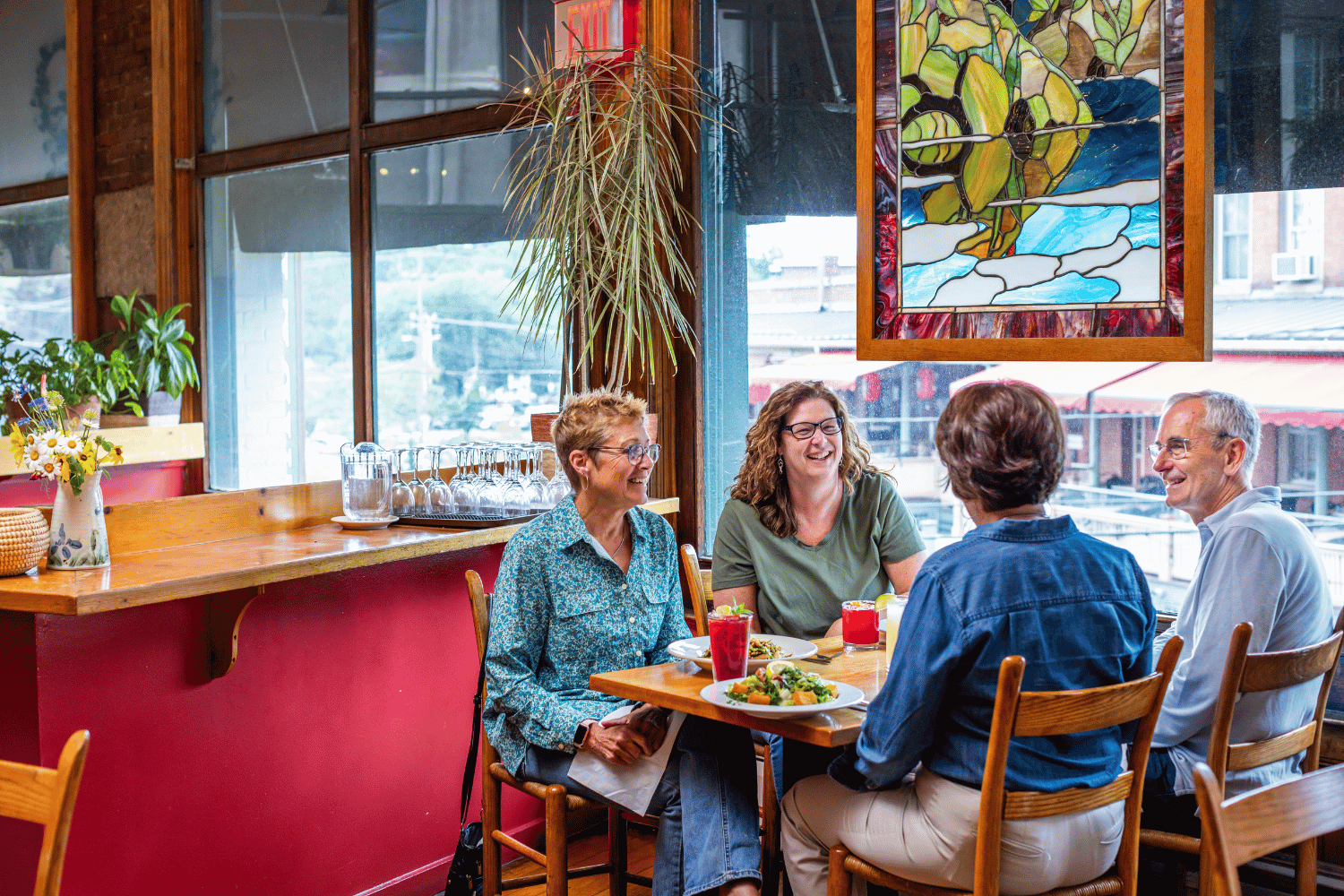
A stop at Thornes Marketplace offered another glimpse into the kind of independent spirit that defines downtown Northampton. With over 25+ businesses, the historic shopping center, built in 1873, has since come to define the downtown Northampton area. Inside, you’ll find locally owned boutiques, bookstores, cafés, and artisan shops throughout the multi-level marketplace and a charming retail culture that values preserving spaces for small businesses and the surrounding community. Located inside Thornes Marketplace, Paul & Elizabeth’s is a longtime Northampton restaurant known for its vegetarian-focused menu and cozy atmosphere. Among their menu, you can take the best photos around golden hour if you get a seat near the window with the best view overlooking the area.
(Courtesy of Explore Western Mass)
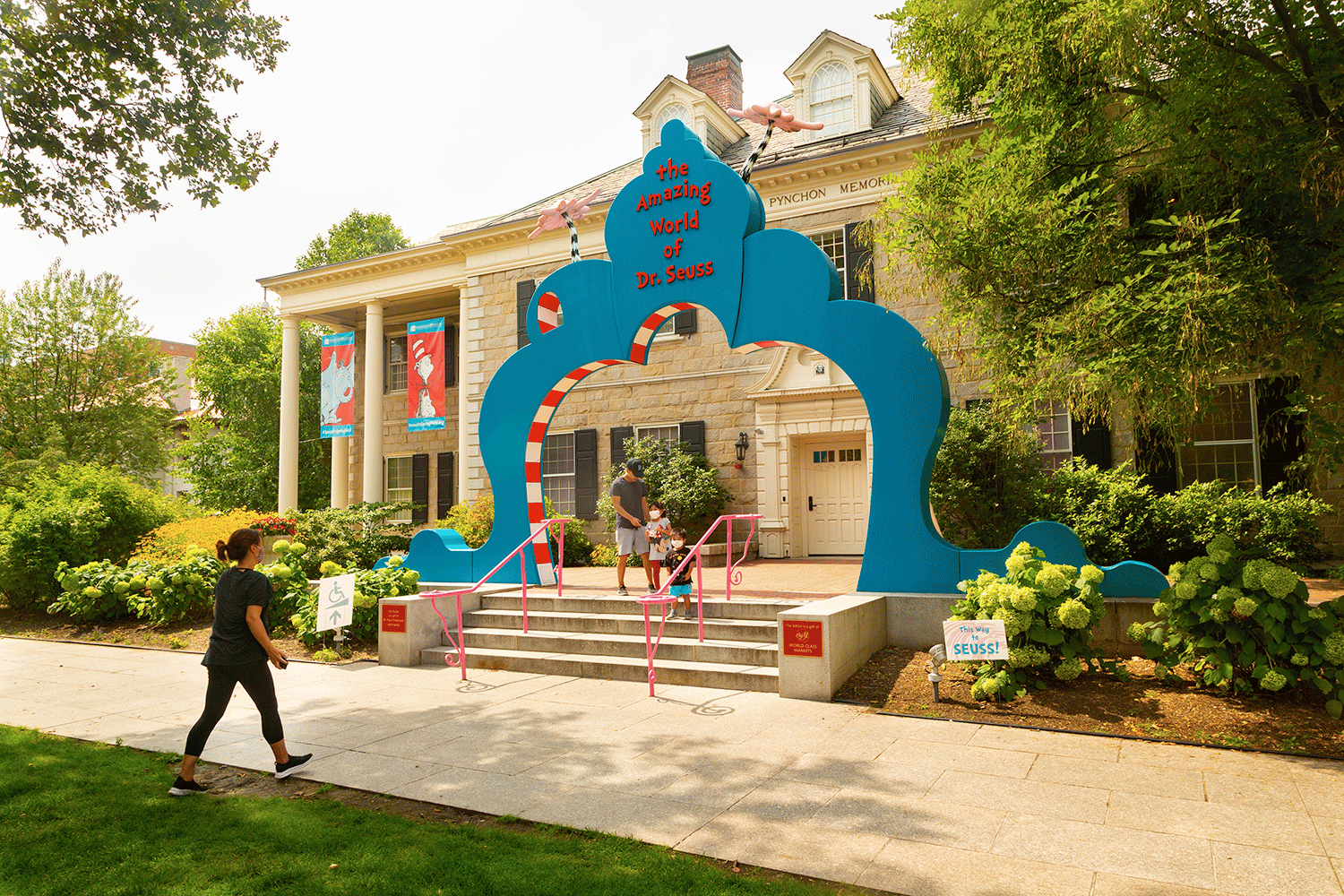
If there’s time in your schedule, you’ll want to make sure you stop by the Dr. Seuss Museum and National Memorial Sculpture Garden in Springfield. Dedicated to Springfield native Theodor Seuss Geisel, the museum follows his career and personal life to tell a full story of the artist and writer. Outside, the sculpture garden brings familiar characters into three-dimensional form, while inside, exhibits trace the development of the memorial itself, including the work of sculptor Lark Grey Dimond-Cates, Geisel’s stepdaughter, who spent years transforming the beloved illustrations into bronze sculptures. The experience felt nostalgic without losing sight of the broader artistic legacy behind the books that shaped so many childhoods.