
This new documentary from Mike Attie, Katarina Poljak, and Nathan R. Stenberg introduces us to the Pennhurst State School and Hospital, formerly a home for individuals with developmental and physical disabilities, that is now the site of a popular seasonal haunted attraction.
The Haunting of Pennhurst premiered during the 2026 Tribeca Film Festival at the Village East by Angelika. From the jump, audiences might assume they can tell exactly what they are in for. The film opens on a group of scare-actors as they begin preparing for the upcoming Halloween season. Sitting in the grass before Pennhurst’s looming brick facades, these trainees listen intently as their superior designates the roles they will personify for the duration of the season, such as “Doctor” or “Crazy Patient,”
Located in Spring City, Pennsylvania, Pennhurst remained empty after closing its doors in 1987, until it was purchased by a private developer, under supervision from the Pennsylvania Historical and Museum Commission, in 2007. Pennhurst was added to The International Coalition of Sites of Conscience, a global network of historic sites specifically dedicated to remembering struggles for human rights, and The Pennhurst Memorial and Preservation Alliance was formed to oversee how the grounds would be used going forward. The haunted house opened in 2010. The property hosting annual Ghost hunting tours and a horror-themed convention would soon follow.
These decisions faced controversy, at the start and now, and most who view this documentary might feel discomfort watching as a vendor at Pennhurst’s annual ParaCon sells straitjackets with the words ‘Pennhurst Asylum’ scrawled across the front to a line of horror enthusiasts. However, as the film progresses, a different story unfolds.
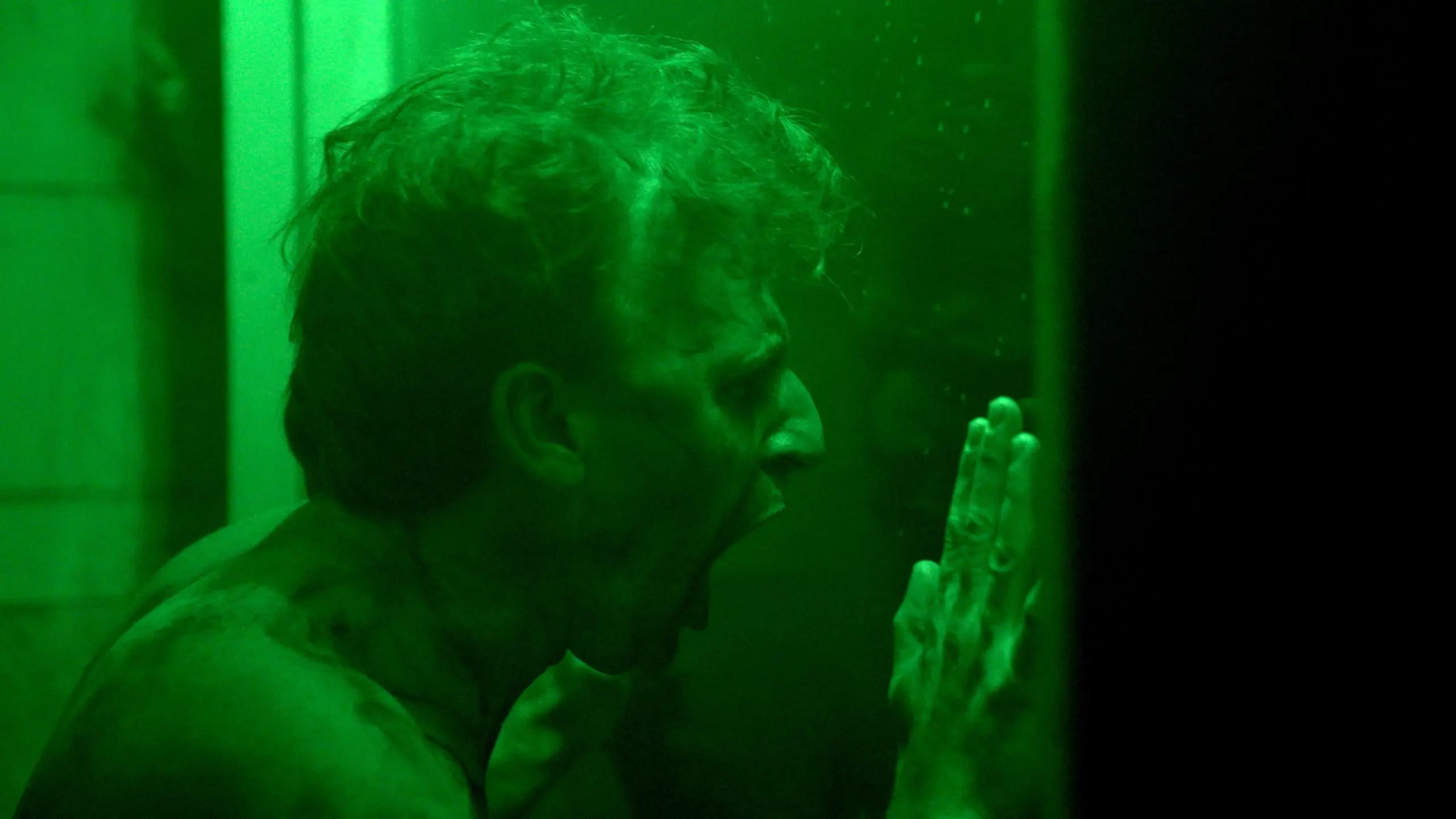
Photo Courtesy: 42West
The Haunting of Pennhurst feels like multiple films stitched together into one. While that can often be a film’s undoing, it works surprisingly well, here. While it is up for debate whether any spirits truly are wandering the grounds, one thing is for certain—Pennhurst is haunted by its past. This documentary doesn’t shy away from that. Historical footage and photographs, audio recordings, and newspaper clippings make it clear to the audience the horrors that Pennhurst’s patients (or rather, inmates) endured—human beings restrained and muzzled, malnourished and sick. One of the newspaper clippings shown estimated that between 1964 and 1975, roughly 468 people died in Pennhurst’s care. These facts are presented onscreen in a way that feels shockingly respectful given the context of the film, and nothing is sugar-coated, even if that means changing how we might feel about the rest of the documentary.
As we cut between a history lesson and the Pennhurst of today, audiences might feel torn on the ways the property is currently being used. However, we get to hear more than one side of the story. In particular, the film focuses on those who participate in Pennhurst’s annual haunted house-many of these performers individuals with disabilities themselves. What might appear to an outsider looking in as dark tourism, or an exploitation of tragedy, is rather a means for those who see themselves in Pennhurst’s victims reclaiming agency, and as a means to preserve history as well. Not everyone might agree with this perspective, but like any good documentary, The Haunting of Pennhurst presents the history of a place fraught with controversy, without telling us how we should feel.
