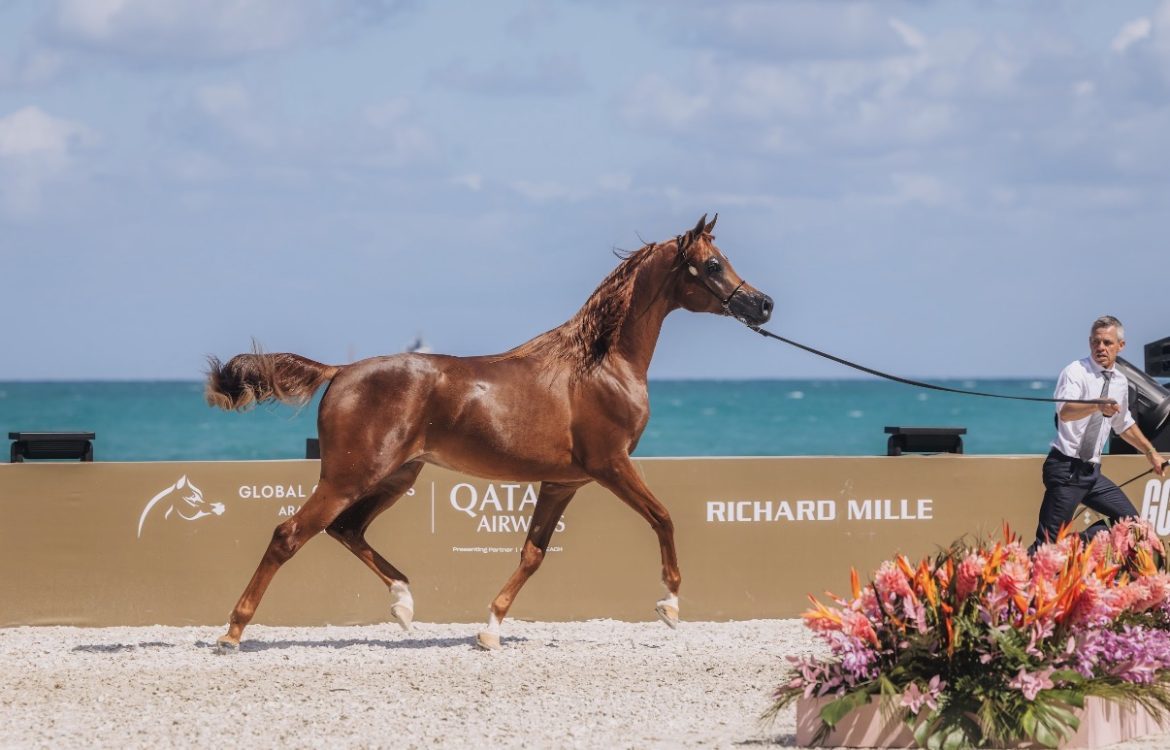
The shoreline of Miami Beach looked less like a public beach and more like a curated luxury arena this past weekend as the Global Champions Arabians Tour returned for its highly anticipated Miami Beach stage.
Miami
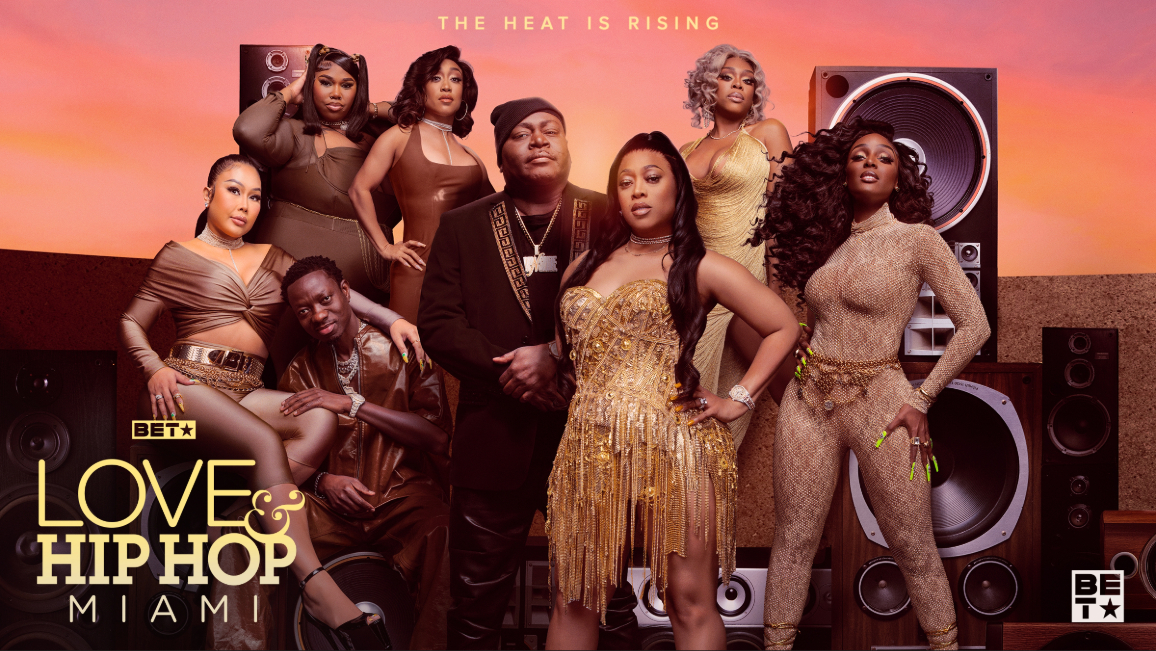
Your favorites are returning back to the 305 and they know how to make an entrance.
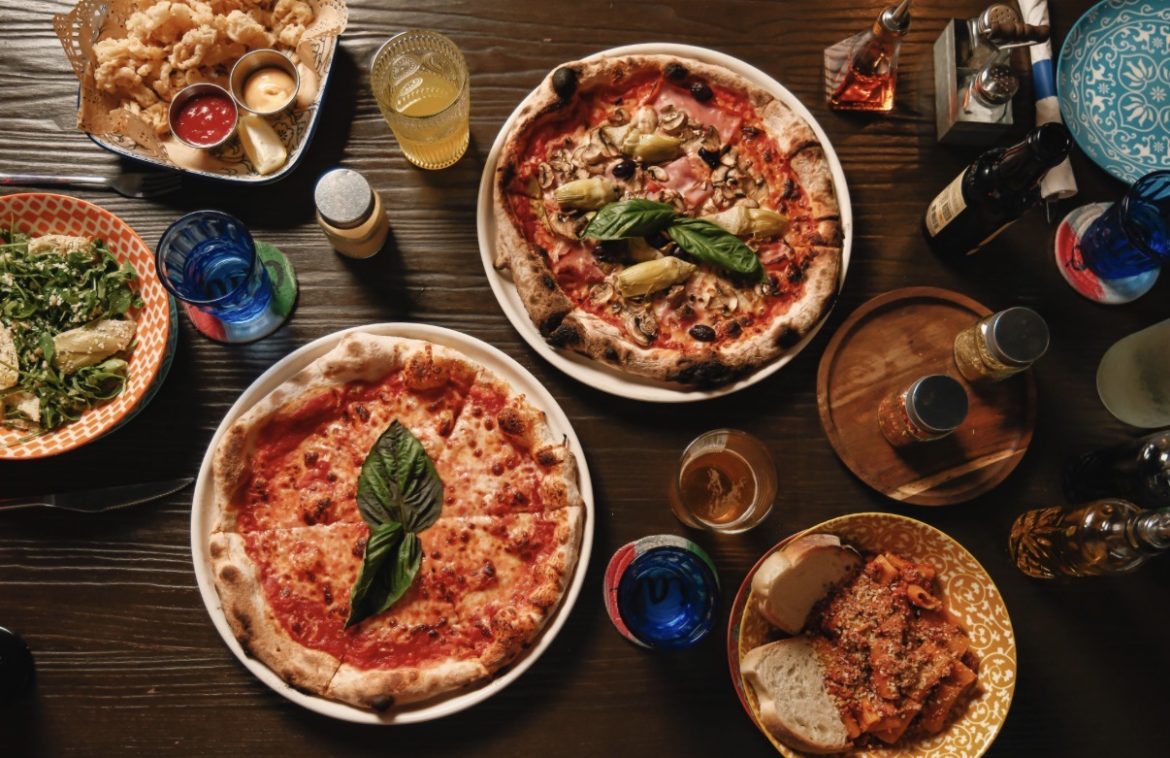
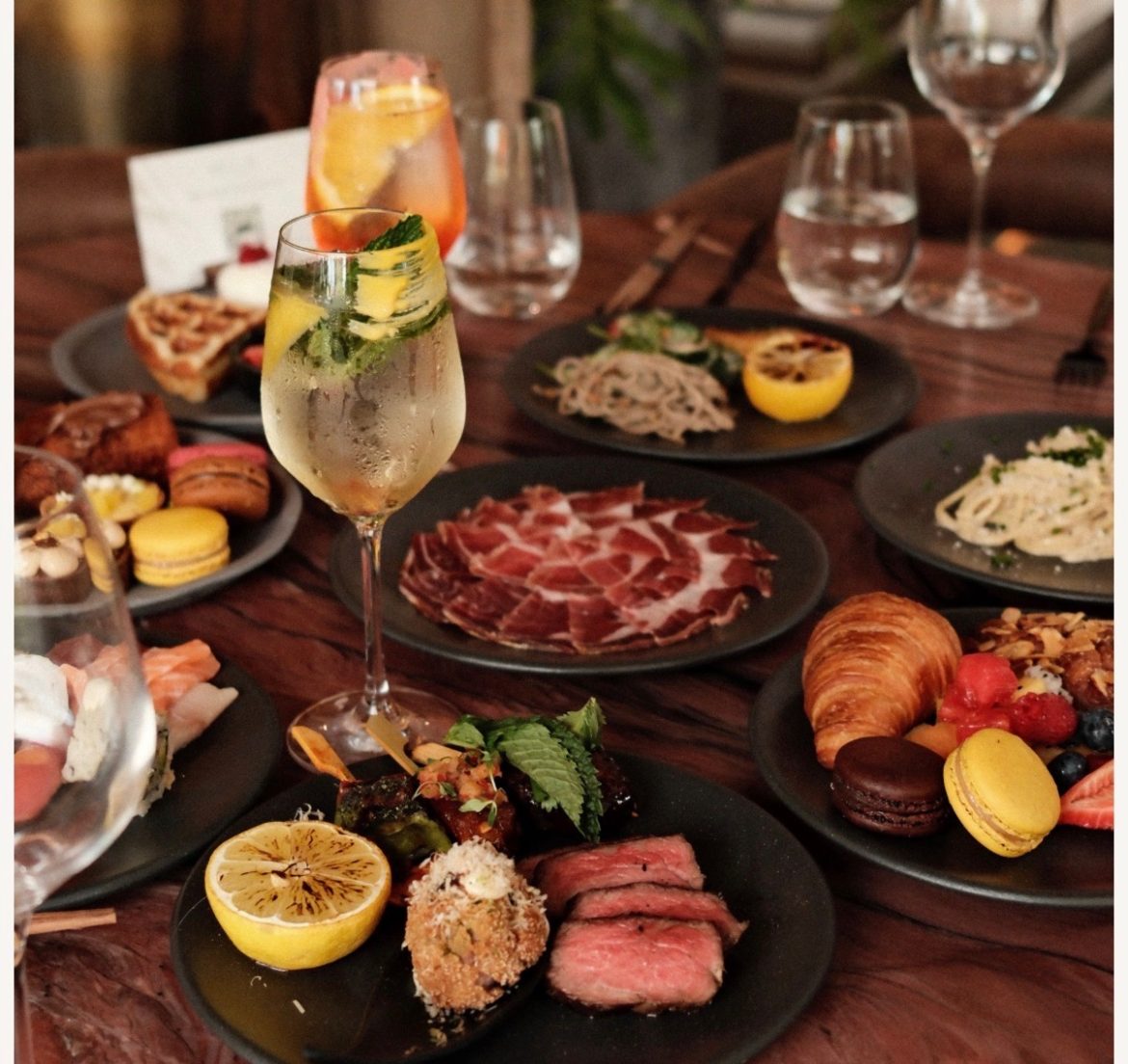
In a city where restaurant concepts often arrive with fanfare and disappear just as quickly, one small South Beach dining room has built its reputation the old-fashioned way, through family, tradition, and consistency.
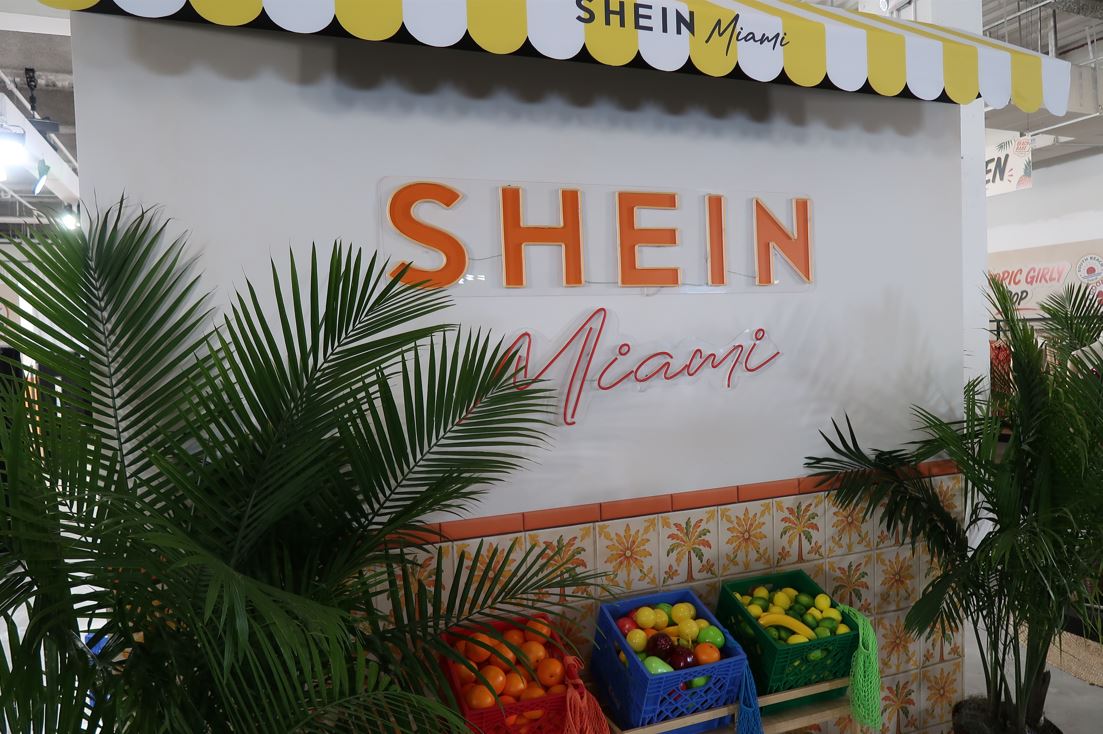
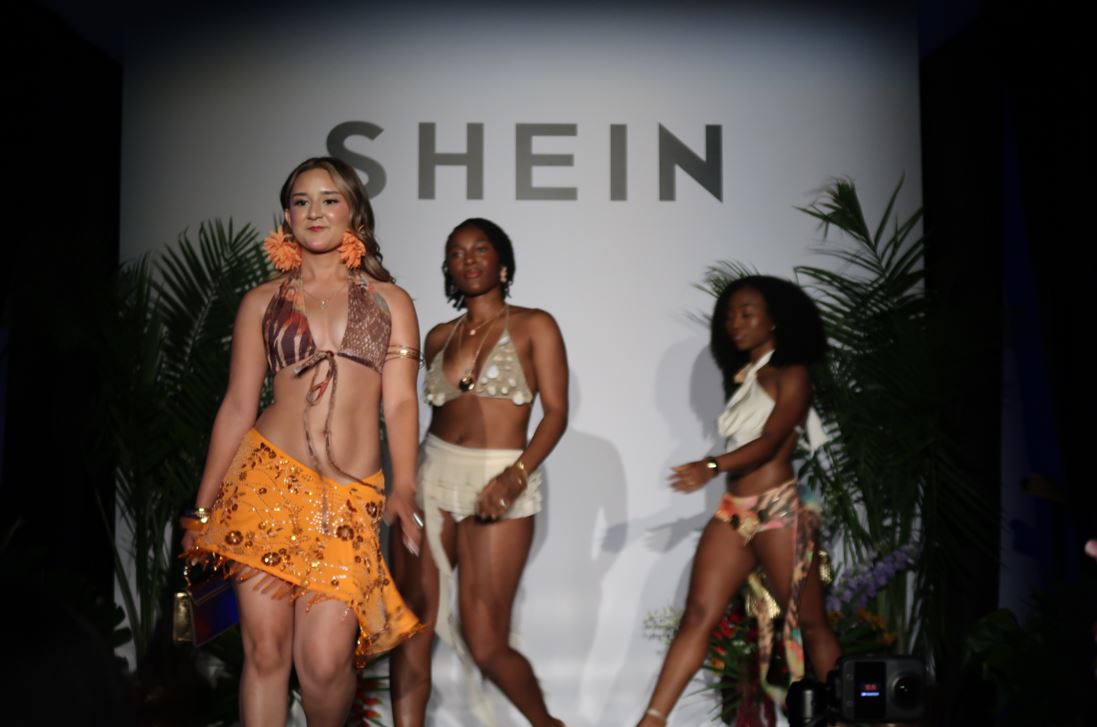
Timed to spring break and the lead-up to summer, the California label brings its coastal aesthetic to one of the country’s most influential swim markets.
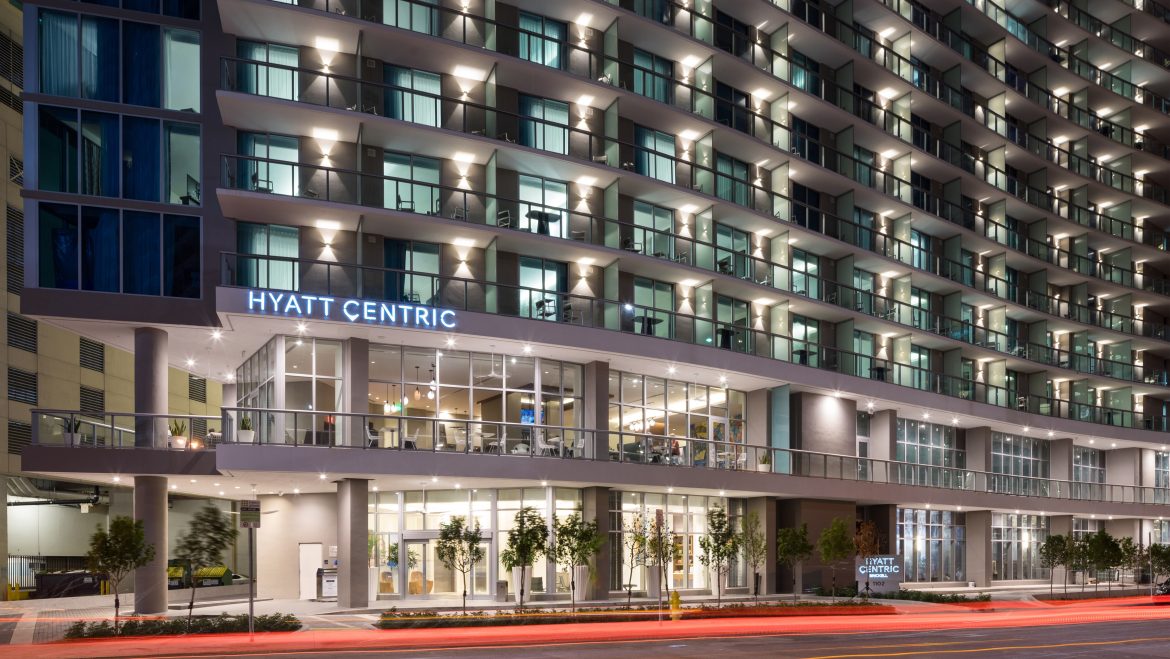
At Hyatt Centric Brickell Miami, sweeping Biscayne Bay views, walkable city access, and standout Cuban cuisine at Caña Restaurant redefine the art of the staycation.
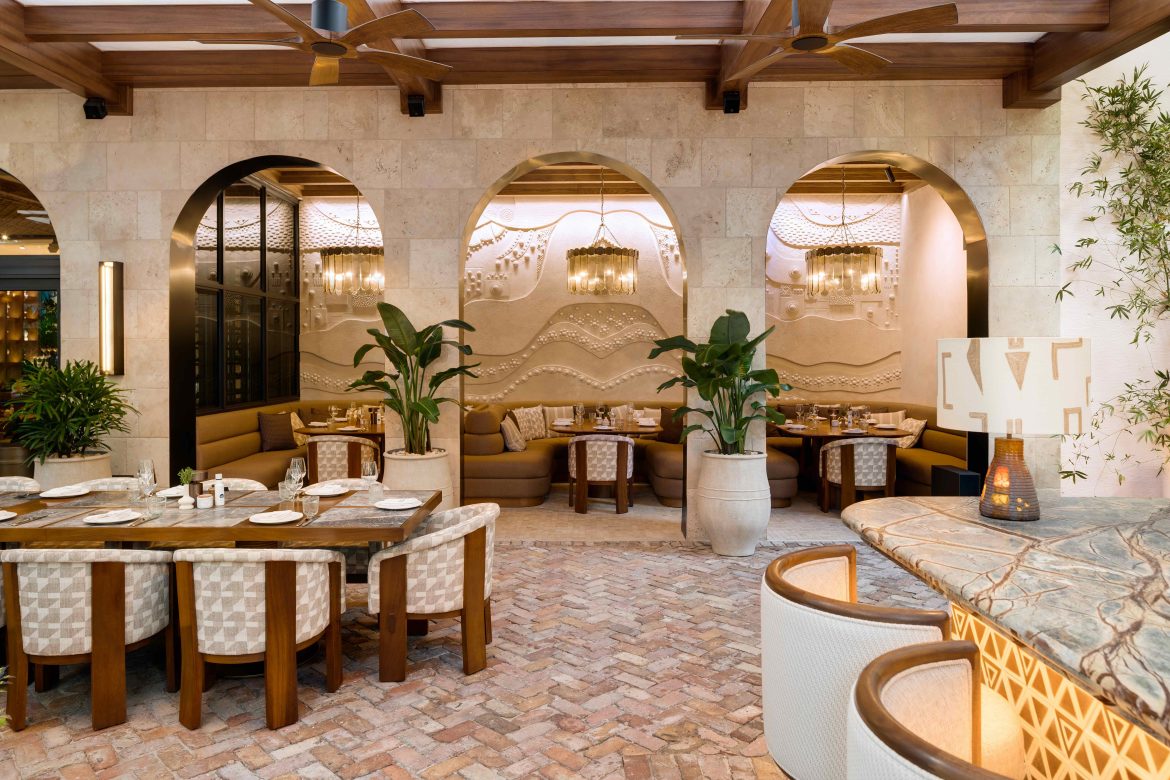
At AVA MediterrAegean, Riviera Dining Group blends Greek island energy with fine dining precision for a fully immersive escape.
Each spring, South Florida becomes a hub for sport and culture as the Miami Open takes over Hard Rock Stadium. The tournament drew top tennis players along with celebrities and international visitors, evolving into one of the season’s most prominent lifestyle events.
Farm to Table in the Stable Blends Elevated Dining With Environmental Impact in South Florida
If your social calendar is craving something equal parts elevated, experiential, and actually meaningful, there’s a South Florida event quickly becoming one of the season’s most coveted tickets.
On Saturday, March 7, the lush grounds of Patch of Heaven Sanctuary will transform into an intimate open-air dining room for Farm to Table in the Stable, a high-touch culinary experience that blends luxury dining with real environmental impact.
Where Rustic Meets Refined
Tucked away in Miami’s agricultural Redland district, Patch of Heaven has built a reputation as one of the region’s most transportive hidden gems. For one evening only, guests will dine inside the sanctuary’s horse stable at a dramatic 100-foot communal table, surrounded by lush greenery and the property’s striking Friesian and Gypsy Vanner horses.
The evening unfolds like a curated escape:
- Welcome reception at the Butterfly House
- Guided stroll through the Zen Garden
- Live music under the stars
- A plant-based four-course dinner sourced from Redland farms
The globally inspired menu, with Thai influences and a strong “food as medicine” philosophy, positions this as far more than a standard charity dinner.
Luxury With Real Impact
What makes this experience especially compelling is the mission behind the menu.
Proceeds support Patch of Heaven’s goal to acquire and restore 20 additional acres of tropical forest in Miami-Dade County, where tree canopy coverage remains critically low.
The impact is tangible:
- Each ticket helps plant 10 native trees
- Funds restore one-quarter-acre of habitat
- The nonprofit aims to expand from 20 to 40 acres of protected land
Your night out directly contributes to growing South Florida’s urban forest, a purpose-driven angle today’s luxury audience increasingly values.
An Exclusive Art Moment
This year’s dinner also includes a cultural preview. Guests will get a first look at a $500,000 outdoor installation by Danish artist Jeppe Hein, newly donated to the sanctuary and set within the historic Castellow Hammock forest.
It is the kind of art-meets-nature moment typically reserved for private collections, and another reason tickets are expected to move quickly.
Why It Belongs on Your Calendar
In a crowded South Florida event scene, Farm to Table in the Stable stands out for pairing a destination-worthy setting with a chef-driven menu and measurable results. With its intimate seating, strong visual appeal, and purpose-forward mission, it works equally well for date night, a girls’ evening out, or an elevated group experience.
Event Details
What: Farm to Table in the Stable (VIP Fundraising Dinner)
Where: Patch of Heaven Sanctuary, 21900 SW 157th Ave, Miami
When: Saturday, March 7, 5:00 to 8:30 p.m.
Style note: Outdoor terrain. Skip the stilettos.
Loews Miami Beach Hotel Serves as the Ultimate Home Base for the South Beach Wine & Food Festival
From February 19–22, South Beach transformed into the nation’s hottest destination for food lovers. Celebrating the South Beach Wine & Food Festival’s 25th anniversary, anyone hoping to run into their favorite TV chef quickly learned that the Loews Miami Beach Hotel was the place to be.
Located at Collins Avenue and 16th Street, the hotel’s 790 newly redesigned guestrooms have served as the festival’s host hotel since its inception. Not only does the property become a home base for renowned chefs, mixologists, sommeliers, and media personalities, but it also hosts some of the festival’s most coveted events.

Photo Courtesy: Loews Miami Beach Hotel
This year, the property welcomed the Asian Night Market hosted by Jet Tila and Aarti Sequeira; musician Ja Rule’s Amber & Opal Whiskey takeover at Bistro Collins; the Tribute Dinner honoring Michelle Bernstein and Sacha Lichine, hosted by Master of Ceremonies Bobby Flay; the Final Pour Tribute Dinner After Party; Sunday Brunch hosted by Katie Lee, Jeff Mauro, and Geoffrey Zakarian; and a family BBQ featuring Apocalypse BBQ.
Between events, festivalgoers staying at Loews Miami Beach Hotel had little reason to leave the property. The oceanfront pool offers ultimate relaxation, complete with private SOAK cabanas, an outdoor bar, and complimentary beach chairs just steps from the sand. The Sea Spa was also a popular pre-festival stop for facials, nail care, body treatments, and hair services. Additional amenities include a fitness center offering yoga and barre classes, as well as complimentary Wi-Fi in guestrooms and public spaces.

Photo Courtesy: Loews Miami Beach Hotel
If guests are still hungry after festival events, the resort is home to several culinary standouts, including trendy Italian restaurant Rao’s, The Sushi Bar, Nautilus, Miami Joe Coffee Co., and Preston’s Market.
For those planning ahead for the 2027 festival, Loews Miami Beach Hotel remains the ideal home base for maximizing the weekend experience. Trust us, spotting Guy Fieri in the lobby alone is worth it.
A Winning Weekend at the Miami E-Prix with Jaguar TCS Racing
On Saturday, race day at the Miami E-Prix didn’t announce itself with chaos or spectacle in the way motorsport often does. It unfolded slowly, deliberately, demanding viewers’ attention. A soft drizzle lingered over the Miami International Autodrome, the sky an even wash of gray, and the track still damp from overnight rain, intensifying the race to come.
From the race suites, perched above the circuit with a clear sightline across the grandstands and down onto the grid, the atmosphere felt focused. Guests inside moved between conversations, drinks, and decadent bites throughout the day, while large screens tracked the evolving conditions on track. The Jaguar TCS Racing team and spectators gathered with quiet confidence, waiting for Formula E’s return to Miami. From the balcony, the view stretched across the teal stadium seats, dotted with spectators in rain jackets and ponchos, and down to the slick ribbon of asphalt where the GEN3 Evo cars lined up.
The light shower added texture to the scene, softening the edges, muting the colors, amplifying the hum of anticipation. Formula E races are shorter than their F1 counterparts, but they demand a different kind of attention, where energy management replaces brute force and strategy outweighs speed. The cars regenerate energy under braking, drivers constantly balancing performance with conservation, racing not just each other, but the clock, the battery, and the conditions beneath their tires. It became clear how much of Formula E happens invisibly. On the screens, graphics illustrated energy usage and attack modes, while radio chatter filtered through quietly. On track, the cars moved in tight packs, everyone waiting for the right moment.
Before the race began, we were ushered down for the grid walk, one of the most electric moments of the day. A grid walk in motorsport offers rare proximity: cars lined up nose to tail, mechanics making final adjustments, engineers conferring quietly, drivers focused inward, and eyes forward. The drizzle persisted, light but steady, beading on the cars’ bodywork and darkening the tarmac beneath our feet. It heightened everything from the smell of wet asphalt, the whir of cooling fans, to the tension hovering just beneath the surface. This moment bridges the gap between racing and the viewer, as the technology becomes tangible and the people behind the performance become visible. And the stakes, suddenly, feel firsthand and real.
As the race got underway, drivers navigated cautiously in the early laps, aware that pushing too hard too soon could compromise everything later. From the suites, the ebb and flow of the race felt almost choreographed. Energy levels fluctuated, attack modes deployed with intention. Unlike other motorsport series, where dominance can be established early, Formula E keeps the field compressed, the outcome uncertain until the very end.
For Jaguar TCS Racing, this uncertainty wasn’t unfamiliar. Mitch Evans, known for his consistency and race intelligence, remained composed throughout, managing energy with precision as the race evolved. Nothing about the moment suggested inevitability, but there was a sense that the pieces were aligning. What becomes clear when watching Formula E up close is how much the championship mirrors the realities of electric mobility more broadly. Range anxiety, energy recovery, efficiency versus performance, these aren’t abstract concepts here, they are the race itself. This is part of what makes Formula E compelling, particularly for sustainability-curious audiences. It doesn’t pretend electric racing is identical to combustion-era motorsport. It embraces difference, turning constraint into creativity, limitation into strategy. Both Jaguar drivers moved decisively through the field early on, with Mitch Evans and António Félix da Costa running nose-to-tail as they battled Porsche at the front. The momentum briefly fractured when Andretti’s Felipe Drugovich made contact with da Costa in the final corner, sending him wide and ultimately relegating him to an eighth-place finish despite continuing the race.
As the race continued, tension sharpened. The drizzle had eased, but the track remained slick in places, unforgiving of mistakes and positions shifted rapidly. Evans timed his second Attack Mode to near perfection, overtaking race leader Nico Müller on lap 27. And then, almost suddenly, it became clear that Jaguar TCS Racing was in contention for something more. Mitch Evans surged forward with control, navigating traffic cleanly, deploying energy at precisely the right moments. It seemed assured, the kind of driving that looks almost understated until you realize how difficult it is to execute. Evans charged to victory, a win that marked his 15th career Formula E triumph, officially making him the most successful race winner in the championship’s history.
When Evans crossed the line to secure victory, the reaction wasn’t explosive at first. It was a beat of disbelief, then recognition, then celebration. Applause rippled through the suites. Post-race, the mood shifted from focus to release. On the podium, champagne flowed, sprayed skyward in celebration, the rain now replaced by laughter and relief. The imagery felt almost cinematic with the wet track, gleaming cars, champagne mist catching the light. The Jaguar TCS Racing team celebrated together, drivers and engineers, media and brand partners, sharing in the culmination of months of work. Being part of a winning team, even peripherally, carries a distinct energy. No one knew with certainty that Evans would win, but in hindsight, it made sense. His background, his familiarity with the series, his calm under pressure, all of it converged at the right moment.
As the day wound down, it became clear that what set this race apart wasn’t just the result, but the rhythm of the experience itself. Formula E doesn’t overwhelm, it invites and asks you to observe, to listen, to understand the layers beneath the surface. From the race suites to the grid walk, from the drizzle-soaked start to the champagne-splashed finish, the Miami E-Prix was an exciting chapter in Jaguar’s motorsport story. It balanced innovation with heritage, performance with sustainability, competition with community. In a motorsport landscape often defined by excess, Formula E offers a glimpse of what racing could look like in the future and a vision that acknowledges the realities of our time, that treats efficiency as a skill rather than a compromise.