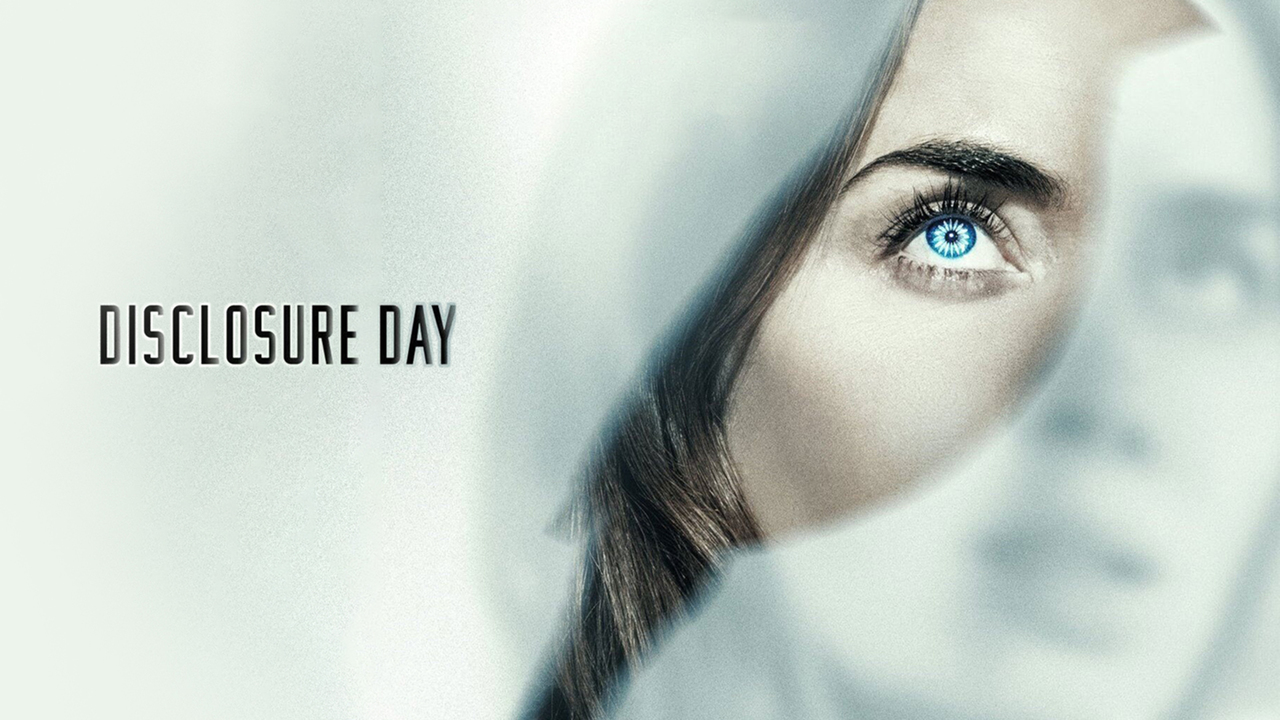
For a filmmaker so often associated with wonder, Steven Spielberg has spent the latter part of his career circling a thornier question: What happens after the awe fades and institutions step in to manage the fallout? Disclosure Day, his nervy and unexpectedly melancholy conspiracy thriller, imagines first contact not as a triumphant leap for mankind but as an information crisis—one that governments, corporations and ordinary people are profoundly unequipped to handle.
The setup has the crackling efficiency of vintage Spielberg. Daniel Kellner (Josh O’Connor), a cybersecurity administrator tasked with burying sensitive government records, stumbles upon evidence of a decades-long effort to conceal humanity’s relationship with extraterrestrial intelligence. At the same time, local meteorologist Margaret Fairchild (Emily Blunt) suffers an inexplicable on-air episode, speaking in a series of eerie clicks and cadences that seem to originate from somewhere beyond human understanding. Daniel discovers he can interpret the transmissions, binding the pair together as they attempt to decipher their meaning while evading powerful figures determined to keep the truth hidden.
If that sounds like All the President’s Men colliding with Close Encounters of the Third Kind, that’s because Spielberg knowingly invites the comparison. Yet Disclosure Day feels less interested in cosmic spectacle than in the machinery of secrecy: who controls information, who decides what the public can bear and whether truth itself has become destabilizing.
Josh O’Connor proves an ideal Spielberg protagonist. Possessing the anxious intelligence and slightly rumpled decency that the director has long favored, he grounds the increasingly strange developments in recognizable human stakes. Emily Blunt brings warmth and steel to Margaret, resisting the temptation to play her as merely a mystical conduit. Their chemistry isn’t overtly romantic so much as rooted in mutual bewilderment and trust, which gives the film much of its emotional weight. As the polished executive advocating for silence at any cost, Colin Firth delivers exactly the sort of measured menace he’s perfected over the years. Rather than twirling a metaphorical moustache, he articulates a worldview that’s unsettling precisely because it sounds reasonable. Coleman Domingo, in a supporting role that leaves a memorable impression, injects moral complexity into proceedings whenever the film threatens to drift too far into procedural mechanics.
Spielberg directs with characteristic assurance. Even dialogue-heavy scenes carry momentum through fluid camera movements and meticulous blocking. The set pieces arrive sparingly but effectively, favoring dread and anticipation over sensory overload. Some viewers expecting relentless alien action may find the film’s measured pace frustrating. The screenplay occasionally over-explains ideas that are more compelling when left ambiguous, and its thematic ambitions slightly exceed its grasp.
Still, Disclosure Day succeeds where many contemporary event movies stumble: it trusts audiences to sit with uncertainty. It isn’t ultimately about whether we’re alone in the universe. It’s about how fragile our shared understanding of reality can be when authority, fear and curiosity collide. In Spielberg’s hands, disclosure becomes less an answer than a test of character. The question isn’t whether humanity deserves the truth. It’s what we’ll do once we have it.