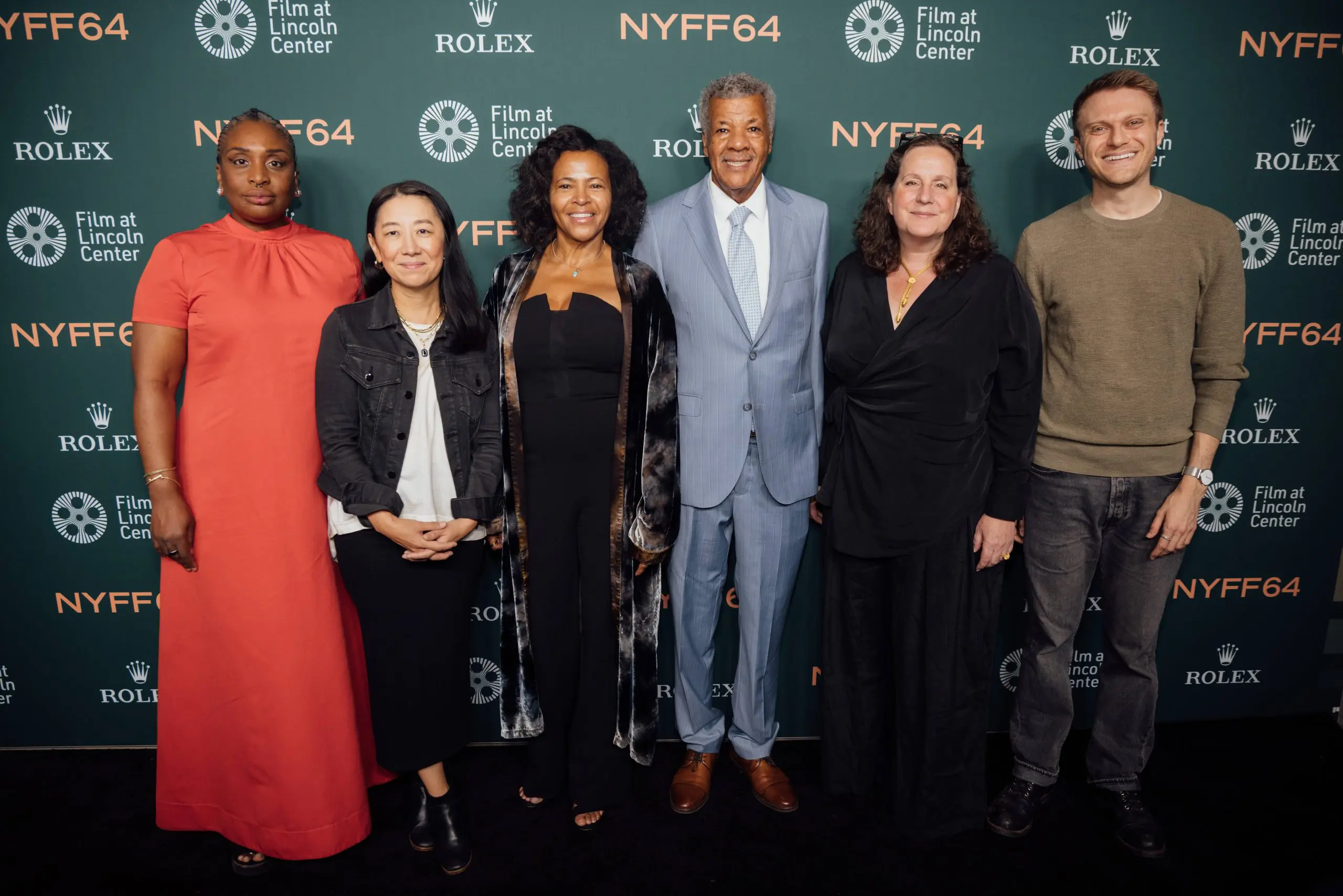
Legendary filmmaker William Greaves’ 1972 footage of an extraordinary group of artists and thinkers features in a new documentary presented by his son, David Greaves, and granddaughter Liani Greaves, director and producer, alongside Anne de Mare, producer and editor, in a night that reminded us the importance of passionate and respectful disagreement.
The filmmakers behind the more-than-50-year-old, archive-based feature walked the 64th New York Film Festival carpet at Alice Tully Hall. They presented the edited result of an inspiring conversation between three generations of filmmakers working with William Greaves’ original material from the cinematic gathering at Duke Ellington’s Harlem townhouse in 1972.
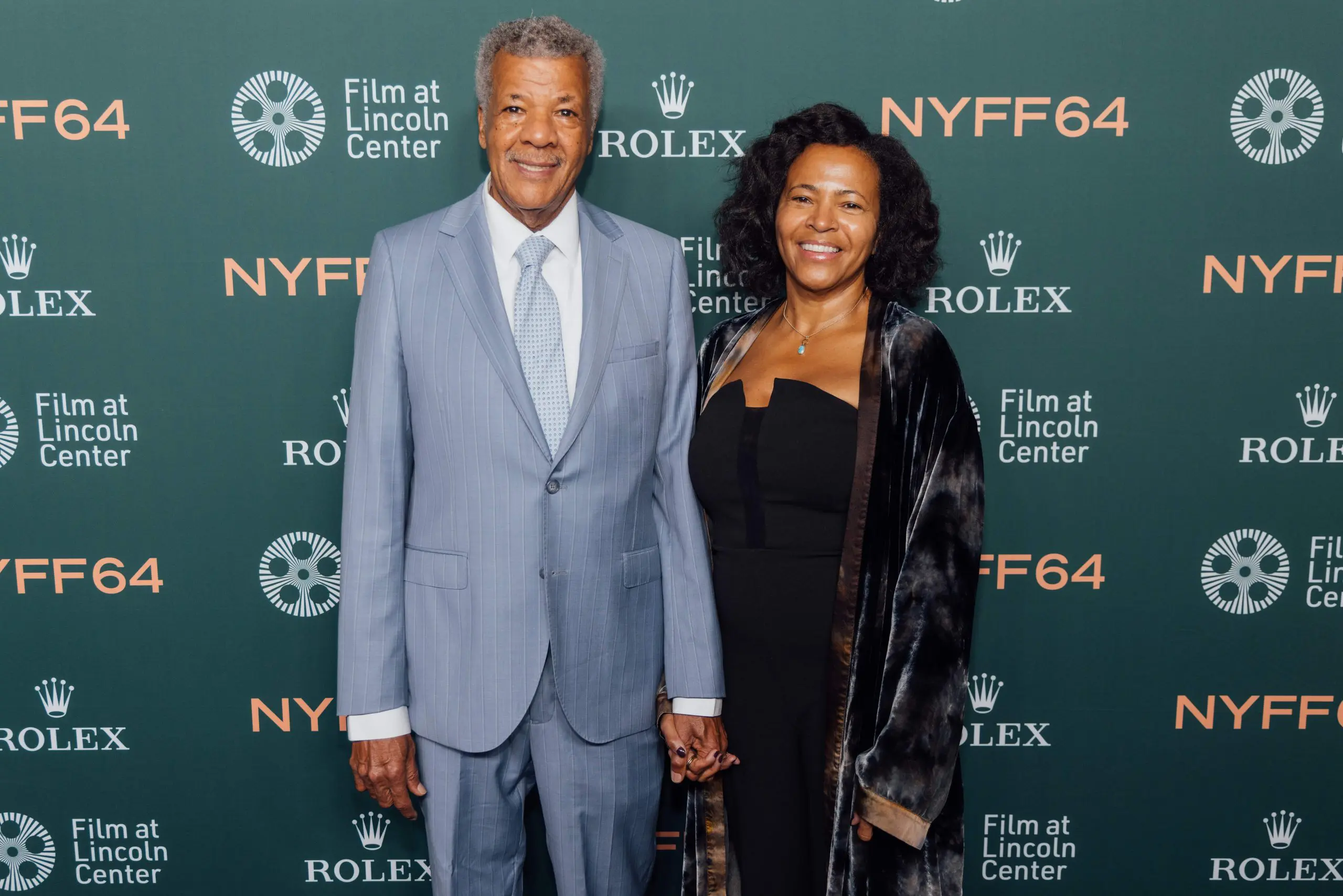
David Greaves and Liani Greaves pose on the red carpet at the 64th New York Film Festival. (Courtesy Film at Lincoln Center / Photographer: Sean DiSerio)
Lynn True, one of the editors who was handed the rough footage at the beginning of the film’s production, spoke to The Knockturnal about the nature of this unique material: “It felt like every frame or every second was ten years deep. It wasn’t the same approach as when we have digital footage with hundreds of hours. This was contained, one space, one party.”
“I didn’t have the intent of editing the film. I stepped in as an editor because we ran out of money. David and I wanted to keep working on the film,” said de Mare, who described the film’s production as “very organic.” She said an editor friend advised her to treat the editing “as jazz, as music.”
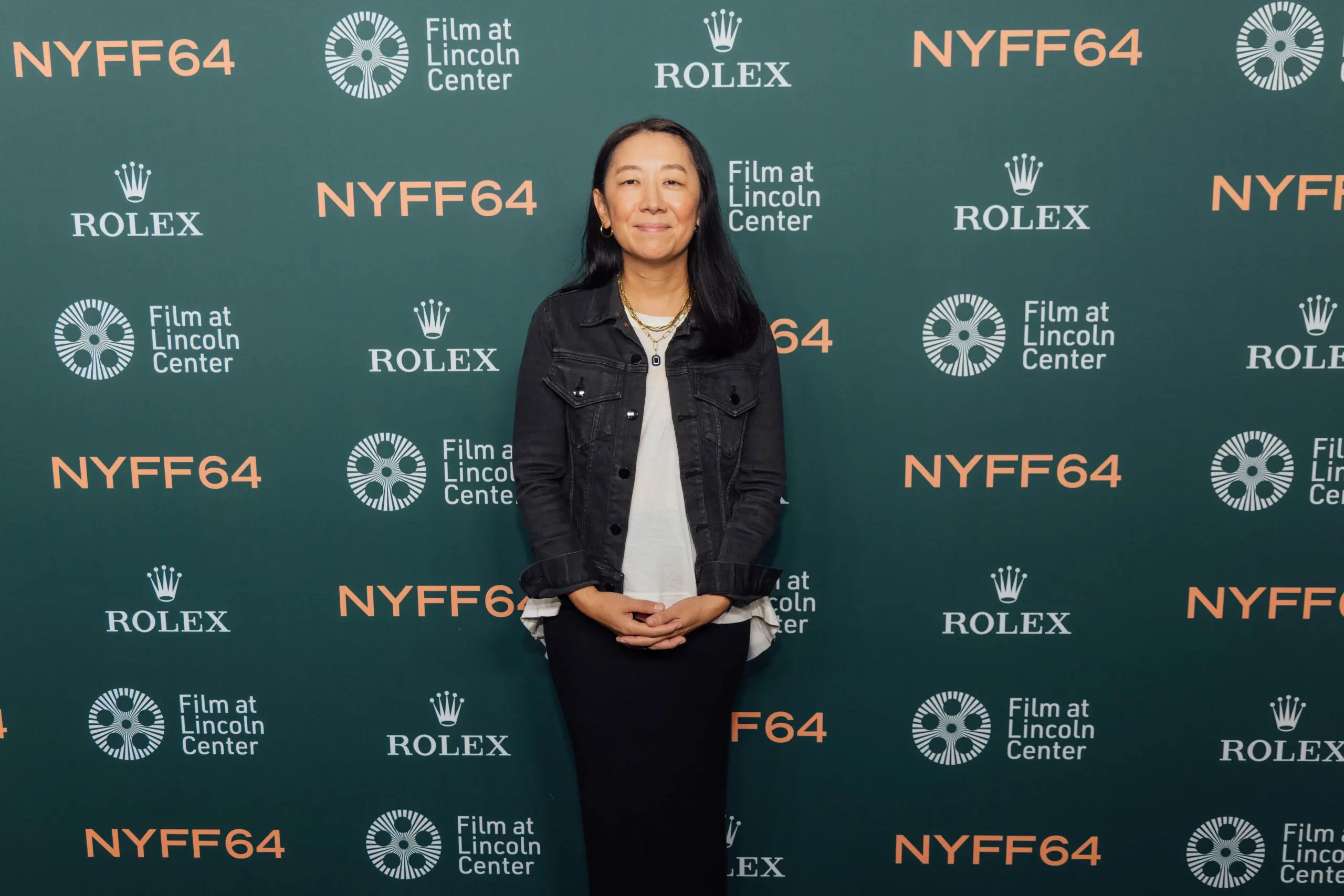
Editor Lynn True on the red carpet at the 64th New York Film Festival. (Courtesy Film at Lincoln Center / Photographer: Sean DiSerio)
During the screening, laughter, applause and quiet attention filled the theater as that jazz of ideas around politics, art, and cultural legacy unfolded. The visual storytelling consists of an array of moments featuring split screens, handheld footage and archival material that illustrated the subjects of the discussions. The film honors Greaves’ filmmaking style, letting audiences feel “the energy of the party” and, as de Mare put it, experience “a film that he would be very proud of.”
The film showcases a collage of interactions and reflections between luminaries on the important work of figures associated with the Harlem Renaissance. True mentioned memory as the spine of the film’s rhythm, as well as the recognition that the guests of the historical gathering showed their peers’ work. About the impact of the tone of the conversation, True added, “it was remarkable to me as someone working in the arts today to see how much figures in this party remembered each other’s work 50 years later. I found that very inspiring.”
During the post-screening Q&A, Liani Greaves emphasized his grandfather’s core idea of “understanding society through conflict.” The film spotlights the importance of meaningful dialogue and of creating spaces for it, just as William Greaves did, in his son’s words, “as a gift for the future.”
