A heat wave in New York City means only one thing – rooftop season!
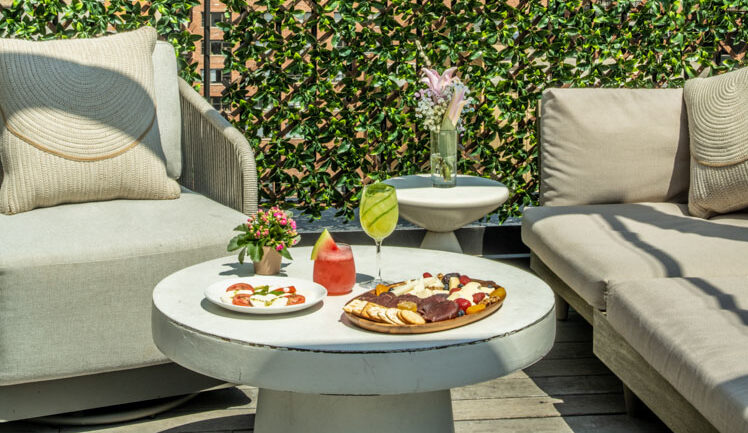
A heat wave in New York City means only one thing – rooftop season!
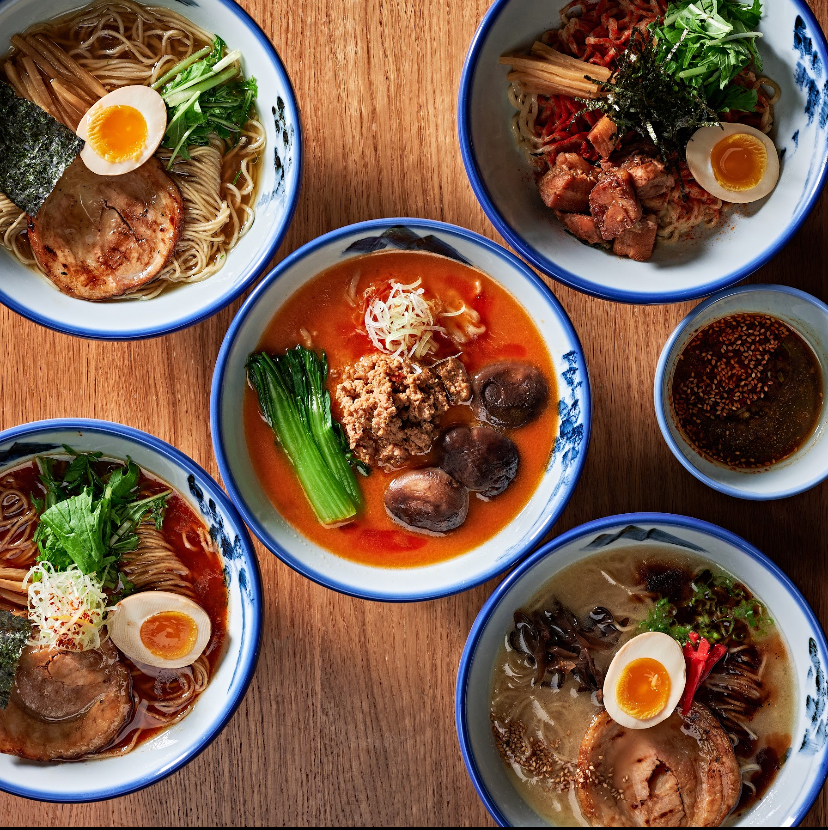
On Wednesday, June 12th, I had the pleasure of attending the opening of AFURI Ramen + Dumpling in Williamsburg. From the moment I entered, the warmth and kindness of the staff stood out, enhancing the entire guest experience—a rarity in New York.

Chinese food in America has never had a fair shake. It’s been relegated to conjure up the household names of General Tso’s and Orange Chicken, both of which are good but far from the truth of what Chinese cuisine can be.

Nomad is slowly becoming a hotbed of quality Indian food. Saravanaa Bhavan has been the quintessential Dosa place for some time and has become something of a taste of home for many South Asian transplants. Recently, another interesting place has opened in the area: Cloves Indian Cuisine. And to cut the story short, it’s definitely a welcome addition.
This restaurant is the latest from restaurateur Syed Haider, an accomplished figure in the industry who has worked in the Indian culinary world for several decades. In the late 80s, Haider moved to NYC, beginning his culinary career at the acclaimed Bombay Palace, owned by his mentor Sant Singh Chatwal. After his tenure at Bombay Place, he assumed the role of general manager at Sapphire Indian Restaurant, expanding his knowledge of restaurant management and menu and wine list development. With this extensive experience, Haider then launched his first restaurant, Jaz in Hell’s Kitchen, followed by the fast-casual Forest Hills Indian Cuisine.
To bring his vison for Cloves Indian Cuisine to life, Haider has partner with Co-Owner Abdul Rocky and Consulting Chef Vijay Bhargava, previously Executive Chef at Raga Indian Restaurant Midtown, who received a 3 Star review from New York Times critic Mimi Sheraton. Ashish Negi will serve as Chef de Cuisine, formerly of Utsav and will execute the extensive menu of Northern Indian fare and beloved Indian favorites.
My experience there was lovely. I began the meal with a couple of samosas. Thanks to tiktok, I had been craving some all week and this was just what the doctor ordered. They came beautifully plated with a flower nestled between two plump samosas and garnished throughout with tiny chips of bell pepper that resembled confetti. The outside of the samosas were crisp while the interior was soft and heartily stuffed. They also came paired with a good mint sauce and a surprisingly authentic tamarind sauce. All it all it was a great way to start the meal.
To continue, I had the chicken vindaloo while my girlfriend who accompanied me had the Lamb Madras. We got a side of rice and garlic naan to go with the meal. Oftentimes with Indian food, the sauce does all of the heavy lifting and the same is true here. For both the chicken and the lamb the sauce was wonderfully done and left me wanting more, even though I was near bursting at the seams. The lamb was done to absolute perfection. The rice was light and fluffy and served as a perfect compliment to the chicken and the lamb dishes. My only real complaint as someone from Caribbean and Indian descent is that the food was not spicy enough. However, to the average restaurant goer, that may be a solid green flag that this is what you’re looking for.
Finding an Indian restaurant that’s not nestled in a strange corner of town or stuck in the no man’s land of New Jersey is tough. It’s tougher still to find one where you can order as a new comer to this genre of food. Cloves is both a perfect introduction and a wonderful experience to undertake. The management is overwhelming nice and attentive. You can tell they put their care into what they do and it’s a welcome sight. It’s easy, simple, and a place I want to eat at again in the future. I certainly recommend a visit to this spot.

Kintsugi Omakase NYC, a sleek chef’s counter-style sushi “atelier” in lower Soho, recently upped their game by bringing on Chef Victor of Sushi Ko. To find out what the buzz was about, we stopped by this week to sample their new menu, which changes with the seasons for the freshest ingredients.
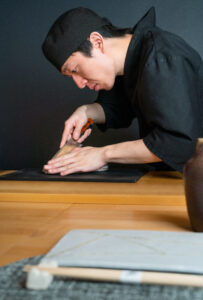
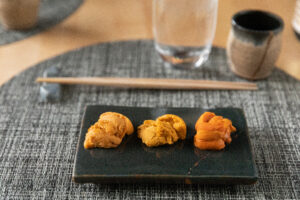
Chef Victor follows the traditional edomae (referencing the style originating from Edo Bay) style of sushi-making, but puts a modern twist on his art. He uses non-traditional, non-Japanese ingredients to flavor some of his dishes, and his close relationship with NYC fishmongers allows him to source the freshest, finest seafood available. The difference is palpable – one bite of Kintsugi’s Hokkaido Ikura (salmon roe) or uni and it’s clear how high-quality the ingredients are.
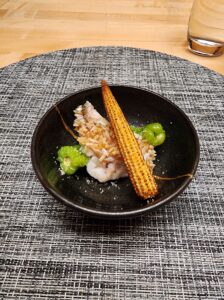
In addition to technique and ingredient excellence, Kintsugi Omakase stands out by its use of seasonal ingredients. Typical of new Nordic or farm-to-table style restaurants, Kintsugi brings flavors of the month to sushi, where most establishments would stick to the tried-and-true traditions. Since it’s autumn, our dishes featured a green apple puree paired with a smoked Sawara and apple cider, baby corn with crispy fried fish, and other winter seafood delicacies.
When I asked Chef Victor what his favorite season of ingredients was, he told us “fall and winter, because they have the weirdest items.” Weird as they may be, he prepared them to perfection – half the dishes were items I’d never heard of, and I’m a sushi aficionado. Host Ko told us they aim to “take your palate on an adventure you’ve never been on before.” This delectable adventure featured a codfish sperm sac (winter only), crispy fried Amadai (tilefish) with its scales (dubbed by Chef Victor as natural fish and chips), a pickled fish similar to the herring popular in northern Europe, and barracuda.
 .
. 
In addition to the sushi tasting, each menu option includes a handroll, the best miso soup you’ve ever tried, bruleed tamago, and a dessert (the current one is black sesame and ginger ice cream – a scoop of each). Finishing off the meal with these comforting plates was the perfect way to wind down from the experiential tasting. We also highly recommend the restaurant’s singular cocktail: a yuzu and violet syrup enhanced sake. I’d come back for this item alone; clearly the team at Kintsugi has the expertise to open a successful bar, if they wanted!
Dining at Kinstugi Omakase NYC is an experience that can’t be missed if you’re a foodie in this city. Their 10-person dining room, carefully designed by creative partners Ashe Yeung and Tim Madrid, feels intimate and sophisticated. But definitely not stuffy – Chef Victor’s lighthearted jokes and sarcastic commentary make you instantly comfortable with him, and we enjoyed hearing his descriptions of his craft while watching him expertly assemble each mouthwatering bite. We can’t wait to come back. Book your reservation at Kintsugi here ASAP!

While it’s tragically hard to find good German Döner in NYC, we come bearing good news: your search for the best is over!

If you’re looking for a great meal or just a good time in the Theatre District, look no further than La Pulperia! A Latin-American fusion restaurant with a vibrant heartbeat, La Pulperia offers hard-to-find dishes and unique cocktail experiences. From their ceviche and steak to their incredible churros, a trip to La Pulperia will be a meal to remember.

Gordon Ramsay addressed a cheerful, hungry crowd. He encouraged attendees to ‘work their magic.’ As soft music played, free and delicious menu samples delighted attendees. With a smile, Ramsay thanked the line cooks and shook the restaurant manager’s hand. At the VIP launch party, New Yorkers learned about the new casual food spot.

Earlier this year, we got to check out Plan Do See’s famous Bubusan and Azabu New York. On Saturday, we went back to Azabu for their premier dining experience. The bottom level of the restaurant boasts a world-class Omakase experience: The Den. Nestled into a quiet street in Hudson Square, the New York location of Azabu Sushi draws inspiration from its wildly successful Miami counterpart while bringing in elements of New York charm.
It boasts a new name, new menu, and new space: Azabu New York aims to transport guests to Tokyo’s Azabu neighborhood, known today for its laid-back, chic vibe but originally as a hub for merchants and traders.
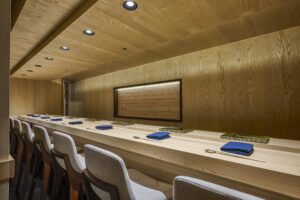
The interior of Azabu New York’s space is inspired by Buddhist and Shinto aesthetic qualities, with calming, simple decor, a hidden sliding-door entrance, and Noguchi lamps. Architect Ian Bentley of NOISE was the creative mind behind the new design. The Den emulates Buddhist design and Azabu captures Shinto elements, with its soft blonde wood counters and touches of cobalt blue.
We stopped by their happy hour launch a few months ago to sample some cocktails and excellently crafted nigiri, and learn more about the revamped Azabu’s mission. Sake, white wine, and red wine were served in beautifully designed cups as guests attending the launch settled into the clean, cozy space. We loved that happy hour, and were highly anticipating the opening of The Den, their second concept location of the Michelin-starred omakase speakeasy inside Azabu Miami Beach.
Our meal at The Den was an expertly crafted experience, led by Chef Toshihide Terado, who has over 20 years of culinary experience across the globe. The meal consisted of a series of appetizers, a toro tasting, chef’s choice seasonal nigiri, and finished off with miso soup and dessert. We started off with a carafe of Suijin Junmai sake, which was served in ornamental aluminum cups designed to conduct and maintain the temperature of the drink. It was the refreshing palate cleanser I craved and kept reaching for throughout the meal.
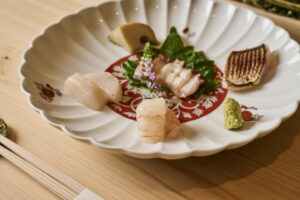
The few courses were a delish spread of crab salad, a mackerel preparation, squid and mantis shrimp. Each was bursting with flavor, both sweet and savory, and watching the careful creation of each dish took eating it to the next level. The nigiri portion of the Omakase began with a toro tasting: Akami (lean tuna), Chu-toro (medium fatty tuna), O-toro (fatty tuna) came out prepared with real wasabi, soy sauce, and sudachi (japanese lime). We had about 4 more pieces of nigiri which all blew me away, but my favorite was the Sanma which is also a type of mackerel. We wrapped up the meal with my favorite course of the night: uni rice topped with salmon roe and more firm uni. Decadent, creamy, and briny, this dish combined two of my favorite seafood items into one delicious flavor profile carried by the rice. After those amazing courses, we had some light and fluffy japanese omlette, comforting miso soup, and finished off the meal with the most juicy melon I’ve ever had.
Eating at The Den is an experience that treats all the senses, and it’s clear to see why the original Miami location earned a Michelin star. I loved all the dishes and the Chef’s explanations, and can’t wait to try more of Azabu New York’s offerings.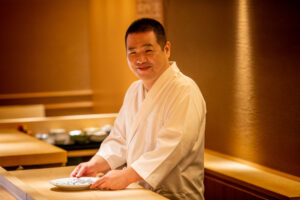

Did you know you can experience Imperial Chinese Cuisine right here in New York? Chef Guo, an immersive space nestled in a corner of Midtown east, transports you to another world by activating all of your senses. Although the food draws customers in, the ambiance, carefully explained cultural insights, and attention to detail all come together harmoniously to create the perfect in-depth culinary experience.

I arrived early for my dinner at Chef Guo, and my server Caroline taught me about an ancient Chinese instrument they have displayed that was only played by the nobility. The instrument showcased in the restaurant was specially made as a high honor for Chef Guo by the Chinese government, and getting to try playing it felt like a privilege. 5 stone statues line the restaurant’s exit pathway, each representing a different season and different direction: Spring, Summer, Fall, and Winter, and North, South, East, and West. The fifth and most beloved statue is the baby dragon, which represents abundance. Guests are encouraged to rub its head before they depart post-meal to be blessed with wealth and prosperity.
 After a tour of the space, I sat down for my meal. Chef Guo’s dishes are served on royal yellow ceramics bordered in 24K gold. This is a unqiue color reserved only for emperors in ancient China, chosen to make guests feel special. The Chinese character for happiness appears throughout the restaurant, and on the dishes as well.
The first course was a silver needle tea, meant to stimulate the appetite. Its warmth and aromatics definitely readied my palate as the next three appetizers arrived: a selection of cold hors d’oeuvres and a dish called The Butterfly Falling in Love with the Flower. The hors d’oeuvres captured the four major flavor profiles: sour beans, sweet radish, bitter gourd, and spicy anchovies. Combining these flavors resulted in the most delightful taste sensation. The Butterfly dish was a work of art: seafood, vegetables, and chinese sausage were carefully arranged to resemble a nature scene of florals and butterflies. The final appetizer was slow-cooked tofu in scallion sauce topped with caviar – so fresh and satisfying on the palate. I was amazed by the depth of flavor in the scallion puree.
Starting off with Magic Elixir and the Fruit of Longevity made of peach jelly, the next set of courses continued to wow me. The elixir was a peach jelly to invigorate the blood, and served in a delicate eggshell. The Big Red Robe Tea came out next, and Caroline explained its rich historical legacy to me: this tea was integral to US-China relations, and was served to President Nixon by Chairman Mao Zedong in the 1970s. It’s “worth more than gold” and is used as a palate cleanser throughout the meal, meant to be taken as a single sip between courses. The next course was Taiji Black Truffle, a soup presented as a Yin Yang symbol. The orange soup was chicken based, and the green soup was beef based, and each side was topped with a circle of shaved black truffle. This dish represents the Chef’s desire to modernize his cuisine – truffles are typically not an ingredient in Chinese cuisine, but his use of it enhanced the dish tremendously. Pan Fried Foie Gras Au Jus arrived next, which was crisped on the outside and served with blueberry sauce and veggies. The combo of this decadent dish served with fresh flavors kept it light, yet indulgent. Next, the Chef served Mustard Green, Black Rice, and Premium Lobster Tail, Contrasting local cold-water lobster, this lobster tail comes from warm oceans and therefore had a sweeter flavor and firmer texture. The final item of this group of courses was the Hundred Happinesses and Eight Treasures in a Pouch Bag. Each of the 8 ingredients are hand-picked by the Chef and unique to each person, so only you and the Chef know what’s in your pouch. It’s served in a wooden box inscribed with the Chinese character “Fu” which means happiness – the theme of the restaurant.


The next course, Sea Bass with Fried Noodle, was served in a traditional sweet and sour sauce. The traditional Chinese dish uses baked carp, so the sea bass brings a modern and global twist on this dish: which is tremendously satisfying due to the delectable sauce. Next was a menu item I’d been anticipating, the Authentic and Traditional Wagyu Beef. It’s the finest A5 available from Japan, seasoned only with salt, and served with a side of apple fries. As someone that doesn’t usually get excited for steak, this blew me away. Every bite was perfectly crispy on the outside yet juicy and tender inside, and the flavors of the fat and salt melted in my mouth. Following up this perfect dish was the Flame Smoked Duck Breast, served with friend onions and almond slivers as pine incense smoke tendrils wafted up from beneath the cut of meat. The Braised Morels with Double Mushrooms is a delicacy, served to represent the guests’ honorable status. Some of the Chef’s star dishes came next: the ChefGuo Signature Pork Chops and the ChefGuo Signature Noodles With Black Bean Sauce. The pork chops won an award against French chefs in an international competition, flavored with chinese pickles in lieu of salt and served with a homemade pocky stick.


The end of the meal concluded with a selection of light desserts. The Tricolor Sea Swallow is a diced fish bone found only under extreme ocean depths, served with 3 flavors: papaya puree, kiwi puree, and greek yogurt. The fibrous, crunchy fish carried each of the flavors so well, and was a delicious and creative dessert I thoroughly enjoyed. Finally, the Golden Orange Sits on a Swing, a peeled orange served beautifully, which is a classic Chinese dessert item meant to rid your mouth of any odors and send you refreshed from your meal back into the world. After that, we had a Post-Meal Tea, which was a delicious Pu’er with a complex and invigorating flavor.
My 19-course meal at Chef Guo was a transformative, educational experience and truly one of the best meals I’ve had in my life. If anyone wants to learn about Chinese culture, both traditional and modern, make your reservation at Chef Guo immediately!
