Swagger, Stories, and Controlled Chaos: Inside Tulsa King Season 3
Garrett Hedlund, Bella Heathcote, Dana Delany, Kevin Pollak, Jay Will, Annabella Sciorra, and Martin Starr break down the tone, the chemistry, and the chaos behind one of TV’s most entertaining crime dramas.
by Jai Singh Nanda
Some crime shows want to feel dangerous.
Others want to feel important.
Tulsa King doesn’t really worry about either of those things. It just wants to be good television.
And that confidence is exactly why it works.
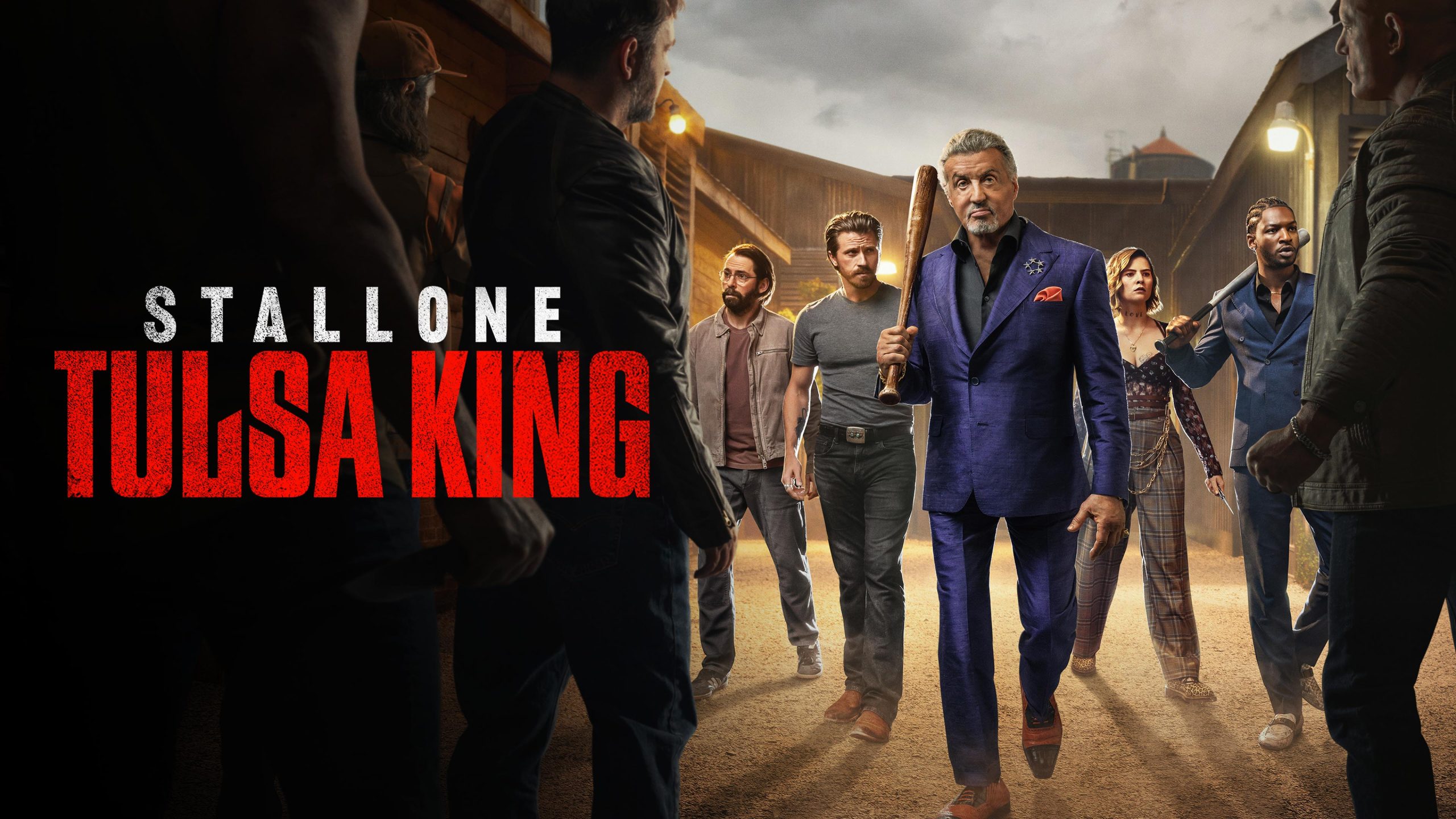
From the moment the show dropped Sylvester Stallone into Tulsa as Dwight “The General” Manfredi, it found a rhythm that felt different from most modern crime dramas. It had the structure of a mob story, sure, but it also had humor, looseness, and a kind of personality that most shows in this space tend to sand down.
By the time season three rolls around, that identity is fully locked in.
The world is bigger now. The cast is deeper. The stakes are higher. But the tone, that balance between danger and fun, remains the engine that drives everything.
After speaking with multiple members of the cast, including Garrett Hedlund, Bella Heathcote, Dana Delany, Kevin Pollak, Jay Will, Annabella Sciorra, and Martin Starr, one thing became clear.
Everyone understands exactly what kind of show this is.
And more importantly, how to play it.
The Trick Is Not Taking It Too Seriously
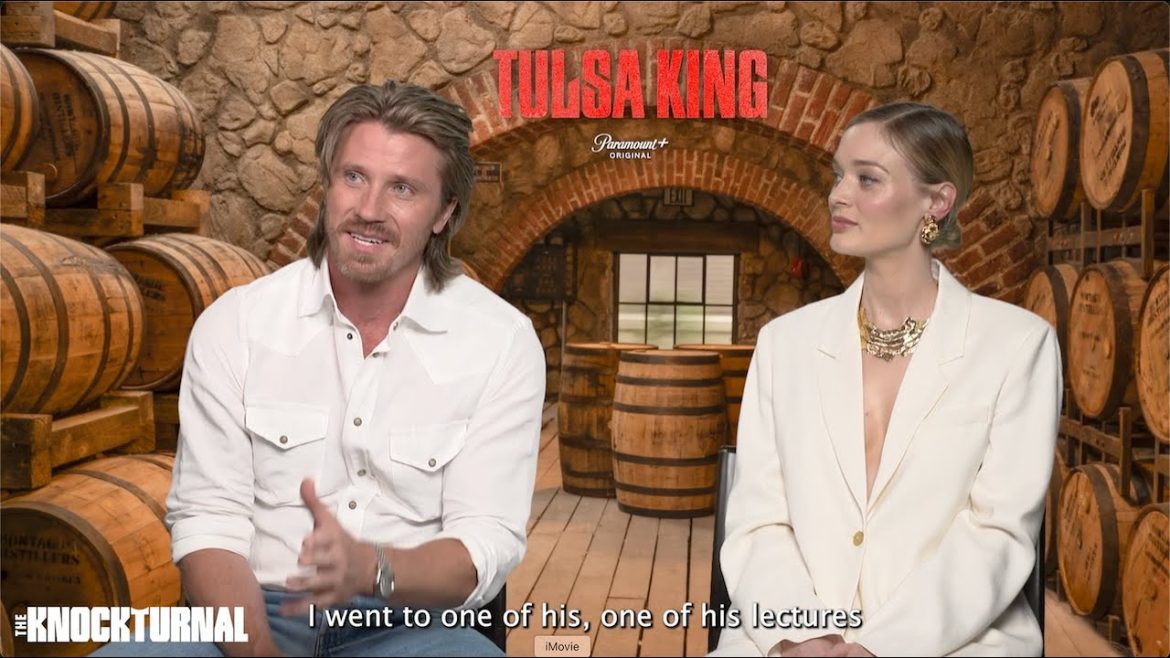
One of the first things that came up in my conversation with Garrett Hedlund and Bella Heathcote was tone.
When I asked what Tulsa King demands from them as performers that other projects haven’t, Garrett’s answer cut right to the point. This isn’t a show that benefits from being played too heavily. If you lean too far into seriousness, it starts to feel off. The better approach is to relax into it, trust the rhythm, and let the character exist without forcing the weight of it.
That idea explains a lot about why the show feels so watchable.
It’s not that the stakes aren’t real. It’s that the show doesn’t suffocate under them.
Bella added another layer, talking about how her character carries emotional weight while still maintaining a sharp, flirtatious energy. Instead of collapsing into grief, she gets to hold both sides at once. That balance, being able to carry something difficult without losing the character’s edge, is something the show allows across the board.
And that’s a big part of what separates Tulsa King from other crime series. It doesn’t trap its characters in one emotional lane.
The Stallone Effect
At a certain point, every conversation circled back to the same person.
Sylvester Stallone.
It wasn’t even intentional. It just kept happening.
Bella shared a moment that was both funny and relatable. She spent the entire season trying to work up the nerve to ask for a photo with him, finally doing it through his daughter. When it finally happened and he threw up the classic Rocky pose, she said she completely melted.
Garrett’s story went in a totally different direction. He talked about spending time with Stallone discussing philosophy, Stoicism, and literature. The way he described those moments, you could tell that’s what stuck with him the most. Not the spectacle, but the quieter conversations.
And then talking to Dana Delany and Kevin Pollak, the stories kept evolving.
Dana described how Stallone still approaches scenes like a director, constantly checking playback, adjusting, refining. Kevin remembered his first day watching a scene back with him, where Stallone joked about spinning off their characters together. It was the kind of moment that immediately puts you at ease while also reminding you who you’re working with.
By the time I got to the third group, Jay Will, Annabella Sciorra, and Martin Starr, the stories became less specific but the point remained the same. Stallone changes the energy of the set.
He’s not just the lead.
He’s the center of gravity.
A Show That Knows Its Strengths
There’s a moment in my last interview where I asked what makes Tulsa King different from all the other crime stories out there.
One of them immediately said, “We have Sylvester Stallone.”
It got a laugh, but it wasn’t really a joke.
Because that’s a huge part of it.
There’s a certain kind of presence that very few actors still bring to the screen. Stallone has it. The show leans into it. And everything around him is built to support that energy.
But it’s not just about him.
The supporting cast understands how to exist around that presence without getting swallowed by it. They play off it. They react to it. They let it elevate the scene instead of trying to compete with it.
That kind of balance doesn’t happen by accident.
Expansion Without Losing Identity
Season three also feels bigger.
New characters, new dynamics, new tensions. The world is expanding in a way that feels natural rather than forced. You can feel the show stretching outward, introducing new players while still keeping its core intact.
Dana pointed out how excited she was for audiences to see Kevin Pollak come into the mix. Jay Will talked about the influx of new talent and how it adds new energy to the story.
That expansion matters.
A lot of shows struggle once they grow past their original setup. They either overcomplicate things or lose what made them work in the first place. Tulsa King manages to avoid both.
It adds without overcrowding.
The Comedy Is the Secret Weapon
If there’s one thing that really defines Tulsa King, it’s this:
It’s funny.
Not in a way that undercuts the stakes, but in a way that makes everything more engaging.
When I threw out some more offbeat questions, like whether they’d let Dwight into their house or what they’d do after getting out of prison, the answers were all over the place. Some said they’d let him in. Some said absolutely not. Some joked about making him coffee. Others were ready to call the cops immediately.
That range of responses actually says a lot about the character.
Dwight isn’t just dangerous.
He’s unpredictable.
And that unpredictability creates a kind of tension that doesn’t rely on constant violence. You don’t know how things are going to go, and that’s what keeps it interesting.
Why It Works
By the end of these conversations, the takeaway was pretty clear.
Everyone involved in Tulsa King understands the tone.
They know it’s not supposed to be played like a traditional crime drama. They know it needs that looseness, that swagger, that ability to move between humor and tension without getting stuck in either.
And most importantly, they seem like they’re having a good time.
That matters more than people think.
Because when a show feels like it’s enjoying itself, the audience does too.
Final Thoughts
Tulsa King isn’t trying to reinvent television.
It’s not trying to be the most serious show on air.
It’s just trying to be entertaining.
And at this point, it’s gotten really good at that.
Season three builds on everything that worked before, expands the world in smart ways, and continues to lean into the one thing that makes it stand out.
It knows exactly what it is.
And it doesn’t overthink it.

