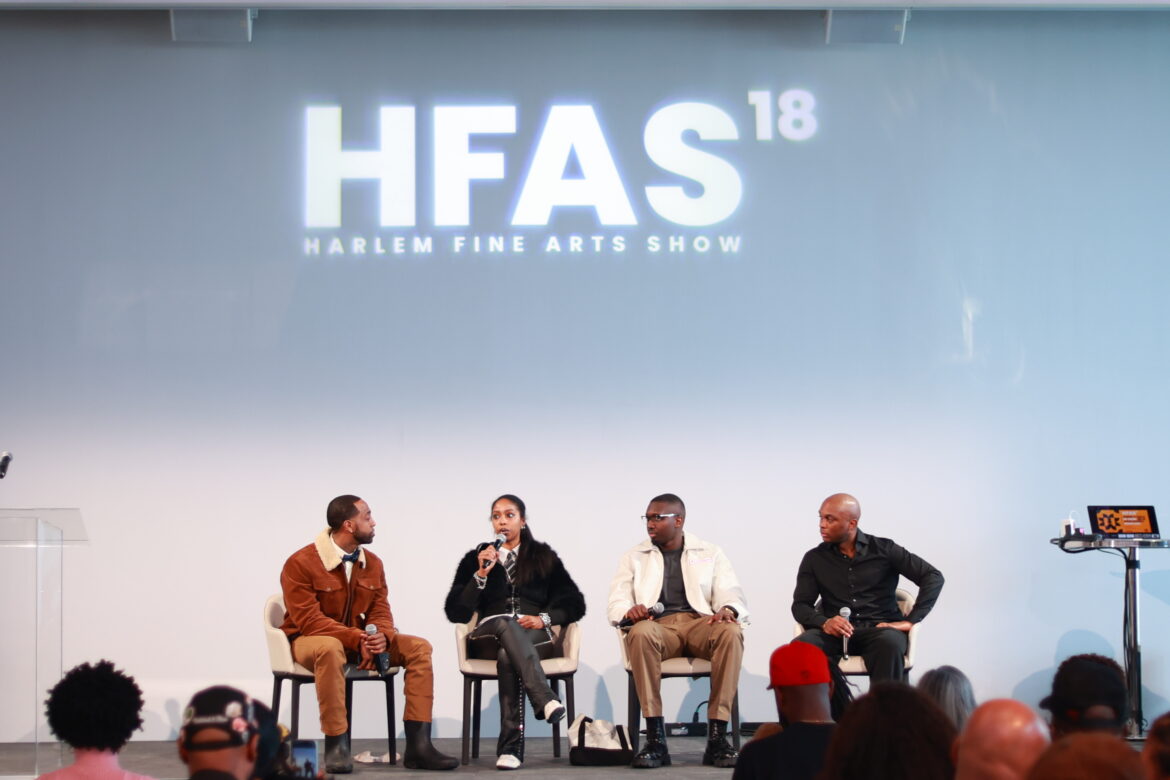
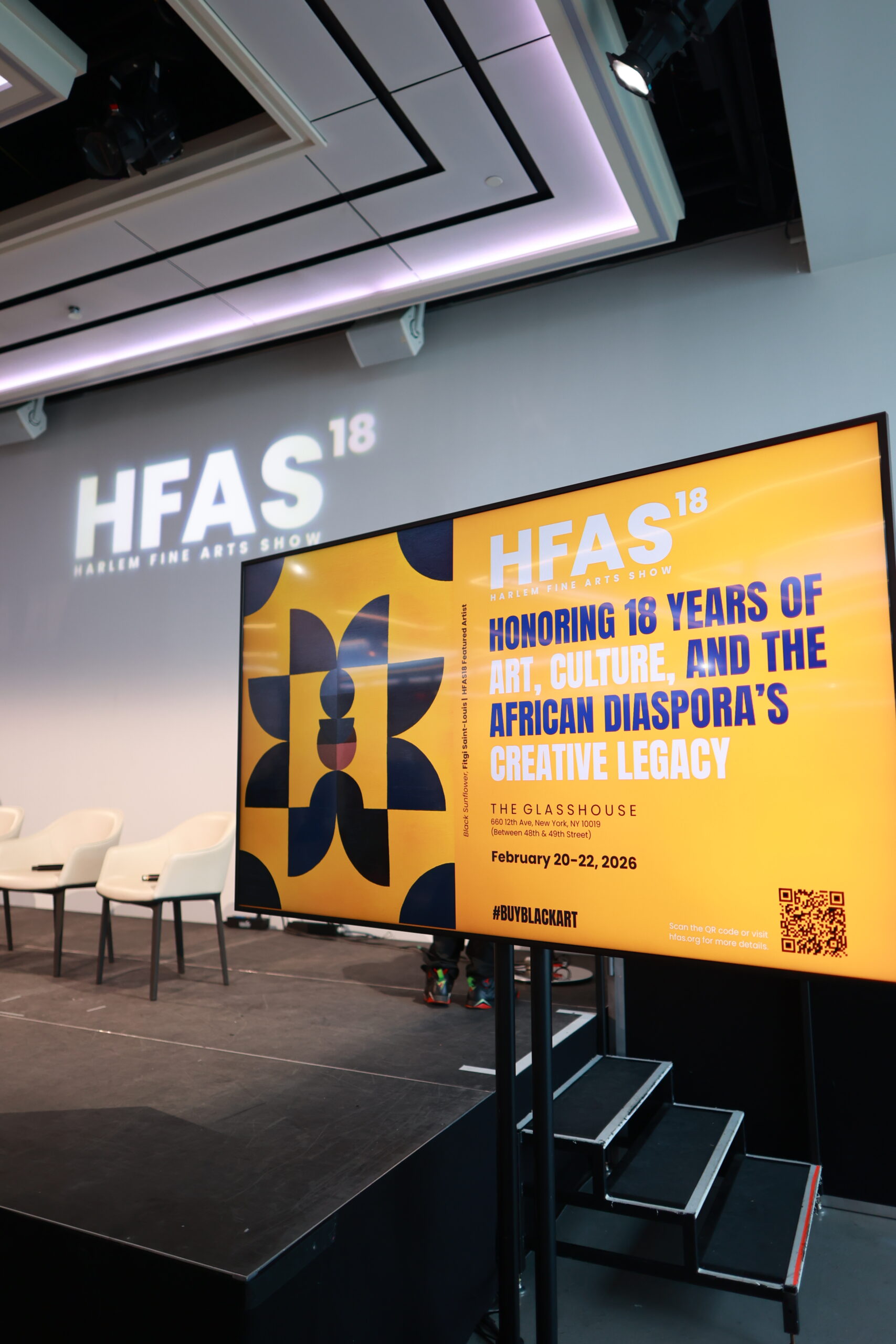
The 18th Annual Harlem Fine Arts Show transformed The Glasshouse into a convening space centered on innovation, ownership, and cultural authorship.
Presented under the 2026 theme Art for Technology, the program titled “The Future Is NOW: Celebrating African Americans in Technology” examined how Black creatives, founders, and technologists are actively shaping emerging sectors, including artificial intelligence, immersive media, venture capital ecosystems, and digital infrastructure.
The morning opened with remarks from Emmy Award–winning journalist Vanessa Tyler, who spoke on behalf of HFAS founder Dion Clarke. Tyler framed the event as a continuation of Harlem’s historic cultural influence, expanding from its legacy as an artistic epicenter into a new role as a driver of technological architecture and digital ownership.
Recognizing Leaders in Technology and Infrastructure
Five innovators were honored for their platform-building and ecosystem impact:
-
Jaye Watts of COEXIST Gaming, Genevieve Leveille of AgriLedger, Regina Gwynn, founder of Black Women Talk Tech, Joy Fennell of The Future in Black, Nefertiti Strong of XR Agency, and Beyondthecode.ai
Each honoree represents a different layer of the innovation economy. From blockchain-powered supply chains to immersive extended reality development and venture-backed founder networks designed to increase access for Black women in tech.
A Conversation on AI, Ethics, and Economic Power
The featured panel, moderated by Jordan Walker, Vice-President of Pop-Star Ventures, brought together Venus Rose (Founder of Haus of Creators | AI Sector), Mamadou Ndiaye Jr., Co-Founder of Timbucktoo, and Isaiah Mikhail of Essence for a discussion focused on strategy and sustainability in the digital era. Panelists addressed questions surrounding AI ethics, creative infrastructure, scalable Black-owned technology ventures, and how art functions as economic leverage in a rapidly evolving technological landscape. “I believe as a traditional creator, we should be thinking about AI as a tool and partner for the expansion of our world,” said Venus Rose. “Art brings the meaning, and AI creates the generative system.” Throughout the conversation, speakers emphasized the importance of ownership, not only participating in emerging technologies but helping design and govern them.
Expanding into Immersive Space
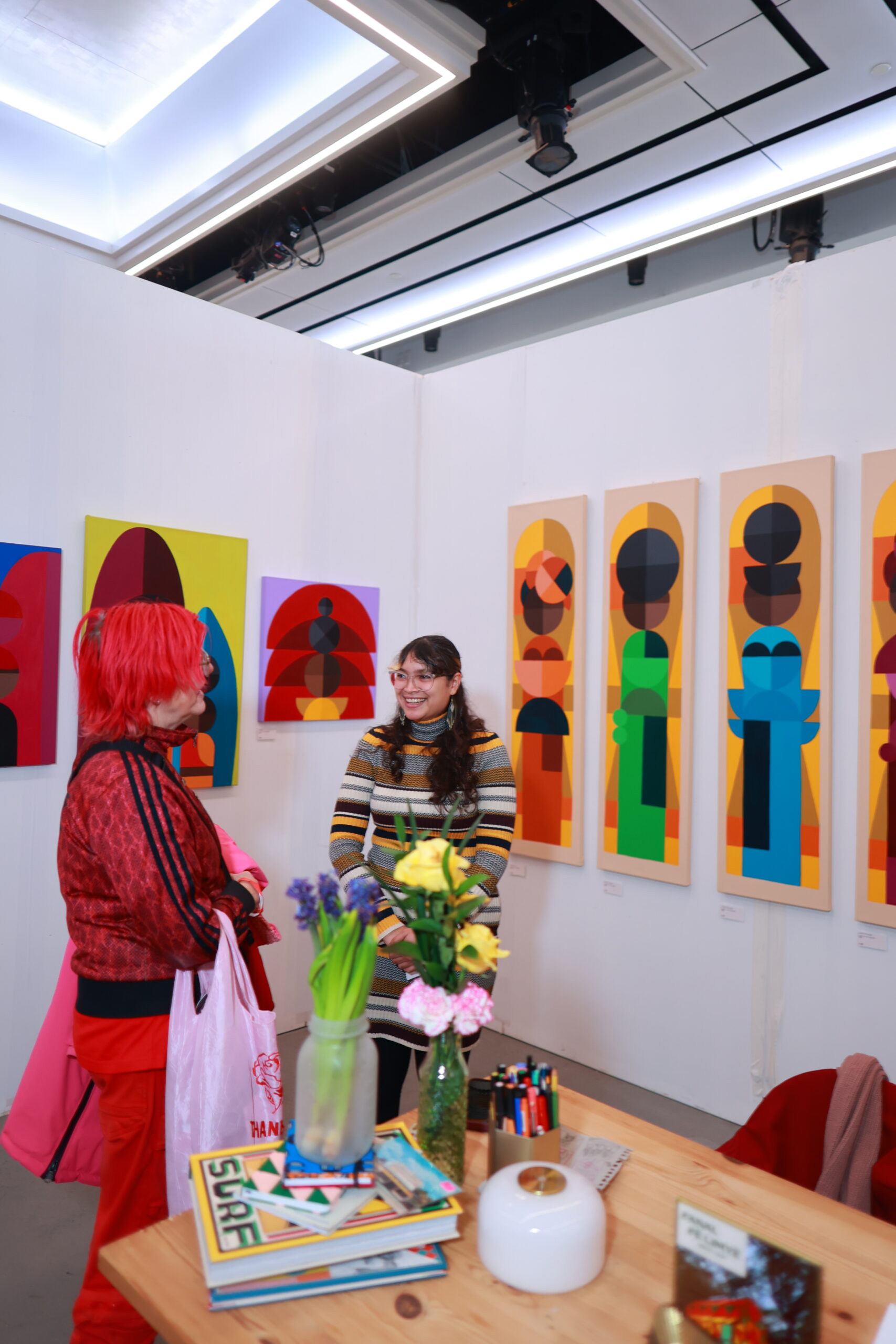
A key moment of the program was the unveiling of the HFAS Virtual Art District, developed in collaboration with Balazs Farago of Walter’s Cube. The immersive 3D exhibition environment extends Harlem’s artistic presence into a globally accessible digital space, signaling how traditional art institutions are adapting to new modes of engagement. The initiative allows audiences beyond New York to experience curated works within a virtual environment, reflecting a broader shift toward immersive and borderless cultural platforms.
Building Systems for Generational Impact
The program concluded with reflections from artist and tech entrepreneur Ryan Leslie, who spoke about connectivity and long-term wealth creation through technology. “Technology left a great impression on me that there is a different way of connectivity and discovery,” Leslie shared. He underscored the importance of creators building systems, not solely content, to retain narrative control and establish generational wealth within the digital economy. The technology honorees, panelists, and keynote speaker were curated by Haus of Creators (owned by Venus Rose), a creative agency working across music, fashion, and emerging technology. Their involvement reinforced the event’s focus on bridging culture and innovation.
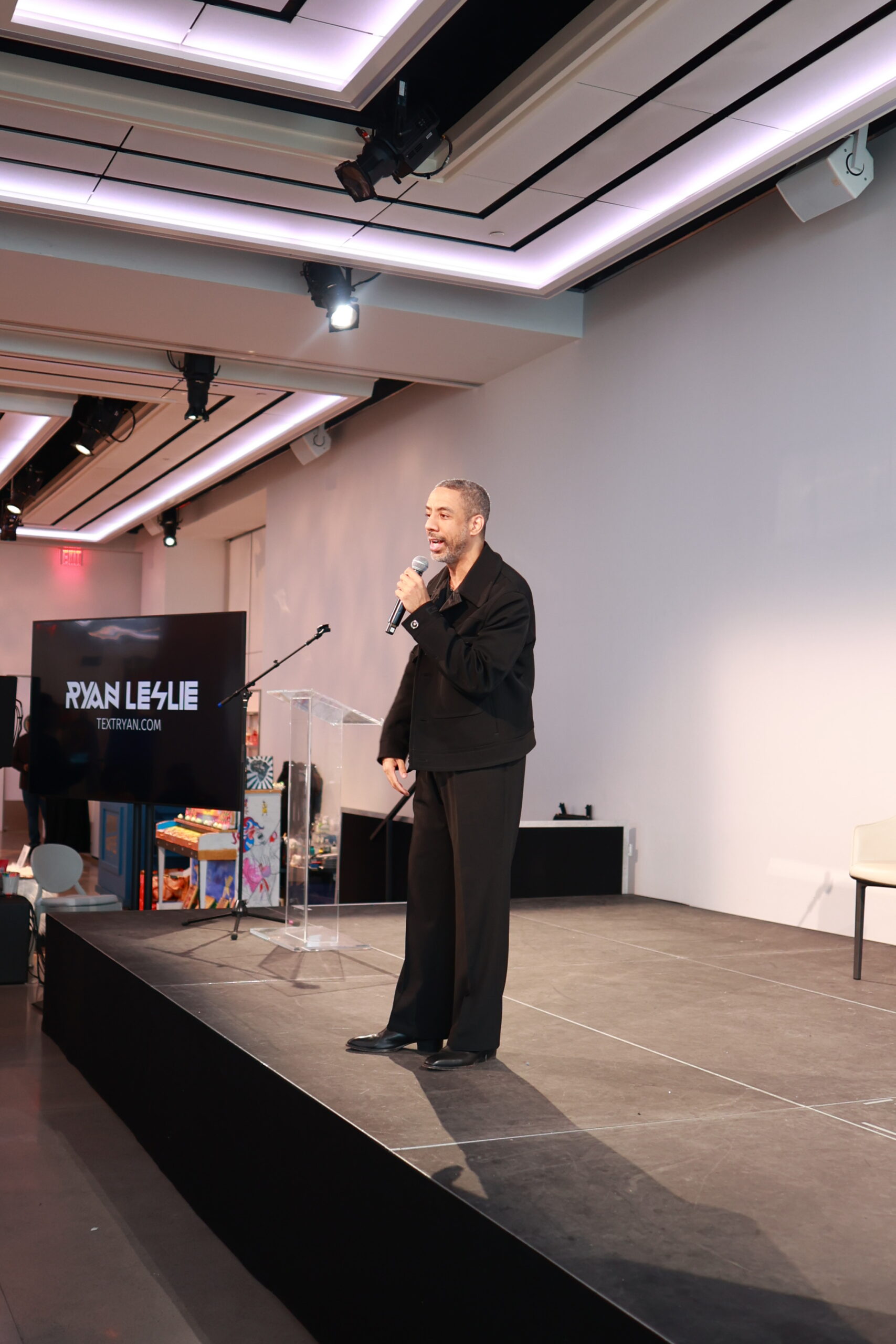
Ryan Leslie | Images shot by Dayhunch
By merging fine art, artificial intelligence, immersive environments, and cultural leadership, the 18th Annual Harlem Fine Arts Show positioned Harlem as a historic arts capital and as an active participant in shaping the technological frameworks of the future.
