The end of the world is no obstacle to a good argument. From Medea to Macbeth to Maybe Happy Ending, plays have long distilled large ideas into memorable warnings: a discarded wife may seek revenge, witches make disastrous career advisers, and even helper robots have feelings.
In Human Things, Brooklyn-based playwright and producer Joshua Owen turns the “end of everything” into a genre-defying Off-Broadway debut with three distinct messages about purpose, hope, and the impulse to act.
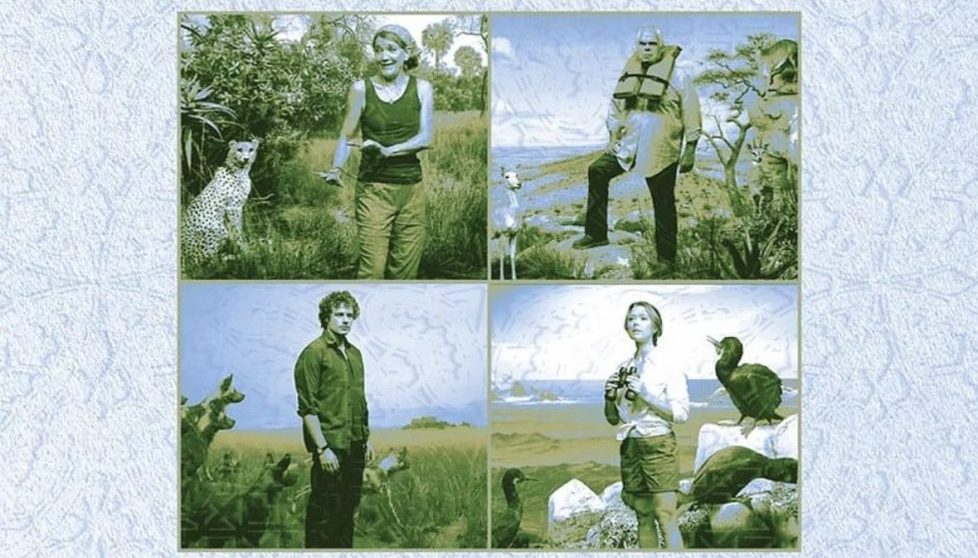
Greg and Margaret live on an isolated atoll in the Pacific Ocean. Margaret, portrayed by Rebeca Robles, is a scientist studying the decline of migratory bird populations. A New York City-based actor, director, and producer, Robles has worked in streaming television, independent film, and Off-Broadway theater, often collaborating with her husband, Joshua Owen. This production marks the first time she has acted in one of his plays. Robles vividly conveys Margaret’s frustration: even at the end of the world, she believes a person should have a purpose. Margaret’s husband, Greg, is an engineer who is not entirely sure what he is doing but is determined to do his best. Ben Rosenfield, an actor and musician whose career spans television, independent film, and Off-Broadway theater, plays Greg. Best known for portraying Willie Thompson in HBO’s Boardwalk Empire, Rosenfield brings nuance to a man convinced that, because the sun will explode in a few billion years, hope itself is deadly.
The play turns when Bo and Darce arrive after crashing their boat, the Hula-Hoop, on a nearby coral reef. Their appearance disrupts Greg and Margaret’s isolated routine. Michael Mulheren plays Bo, Darce’s husband. A veteran character actor who moves easily among musical comedy, drama, and television, Mulheren makes Bo a voluble man driven to act—to do something. Two-time Tony Award winner, director, and educator Victoria Clark plays Darce, an older counterpoint to Margaret. Margaret is a highly educated woman with two Ph.D.s who has fled her Southern roots; Darce is earthy and unapologetic about growing up on a farm. She identifies the “affliction of protagonism”—the need to do something—as one of the play’s central tensions.
Bo and Darce seem to bring a storm with them—one that reshapes everyone’s world. The typhoon that strikes the island forces both couples to reexamine their relationships and mortality. Then Greg discovers an enormous golden egg, compelling Margaret, Greg, and Darce to confront what they value when the future has all but disappeared.
Human Things is the best kind of small play: intimate in scale, with extremely talented actors, ambitious in its questions. Four characters on a remote island offer competing views of what gives life meaning. Does purpose matter? Should we care if the world will inevitably end? Is the “affliction of protagonism” something to embrace or resist? The play runs one hour and 55 minutes, including a 20-minute intermission during which the audience leaves the theater so the set can be transformed. Owen and director Roy McGregor use the West End Theatre’s design to stage the typhoon’s aftermath and reveal the egg without a Broadway-size stage or budget. The result is resourceful, provocative theater: as the storm forces the couples to confront their values, Human Things leaves the audience confronting their own.
