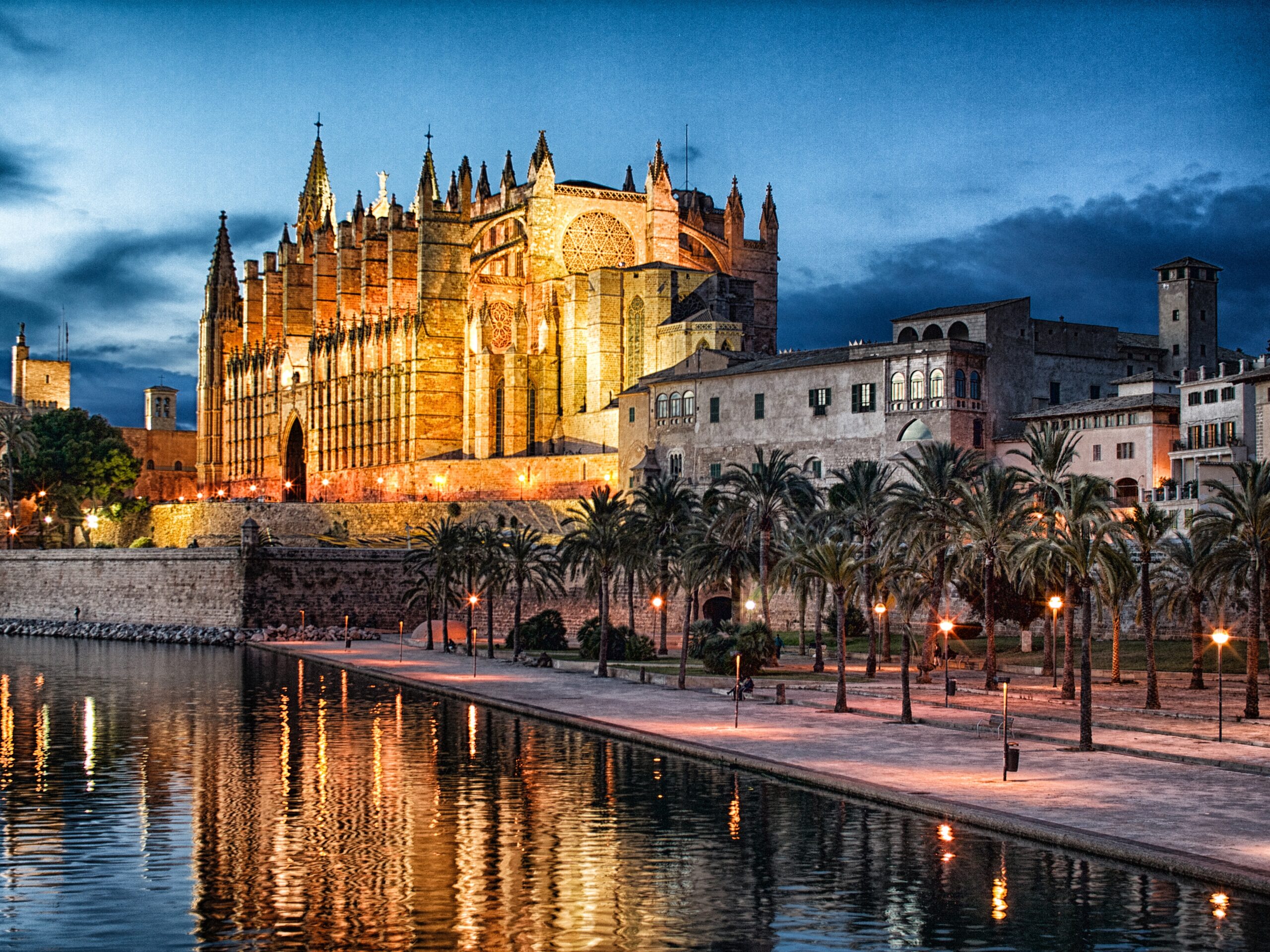
For decades, Palma de Mallorca was shorthand for sun-drenched holidays — the Mediterranean glittering beneath a blur of beach umbrellas and sangria pitchers. But beneath that postcard-perfect image, something deeper has been quietly taking root.
Today, Palma is a city in renaissance — balancing the elegance of its heritage with a new focus on sustainability, craftsmanship, and slow luxury. This is not a story of reinvention, but of remembering. Palma’s new soul beats in the same rhythm it always has — in its markets, its mountains, and the people who bring both to life.
In the heart of the old town, 17th-century noble homes have been reborn as serene boutique hotels, their courtyards filled with sunlight and stillness. Can Cera, one such residence, exemplifies Palma’s contemporary identity: refined yet rooted, elegant without extravagance. Just a short walk away, Sant Jaume Hotel offers another expression of that same essence — where modern design and warm Mallorcan textures meet historic stone walls and intimate hospitality. It feels personal rather than polished, mirroring Palma’s shift toward slow, meaningful stays rather than quick escapes.
Inside La Vermutería de Can Cera, local vermouth pairs with delicate tapas crafted from regional ingredients — a taste of tradition framed in modern sophistication. Pedro Homar, Director of Tourism at Visit Palma sees this moment as a bridge rather than a departure. “Palma embodies the elegance and depth of European heritage while embracing the dynamism of Mediterranean culture,” he says. “It feels both timeless and forward-looking — a place where tradition and innovation coexist naturally.” That coexistence is intentional. When asked how the city protects its historic character while welcoming modern experiences, he explains, “We are deeply committed to preserving our cultural legacy through restoration projects, heritage regulations, and support for local crafts. At the same time, Palma encourages innovation — supporting creative industries and sustainable tourism.” The result is a city that evolves with care, not urgency.
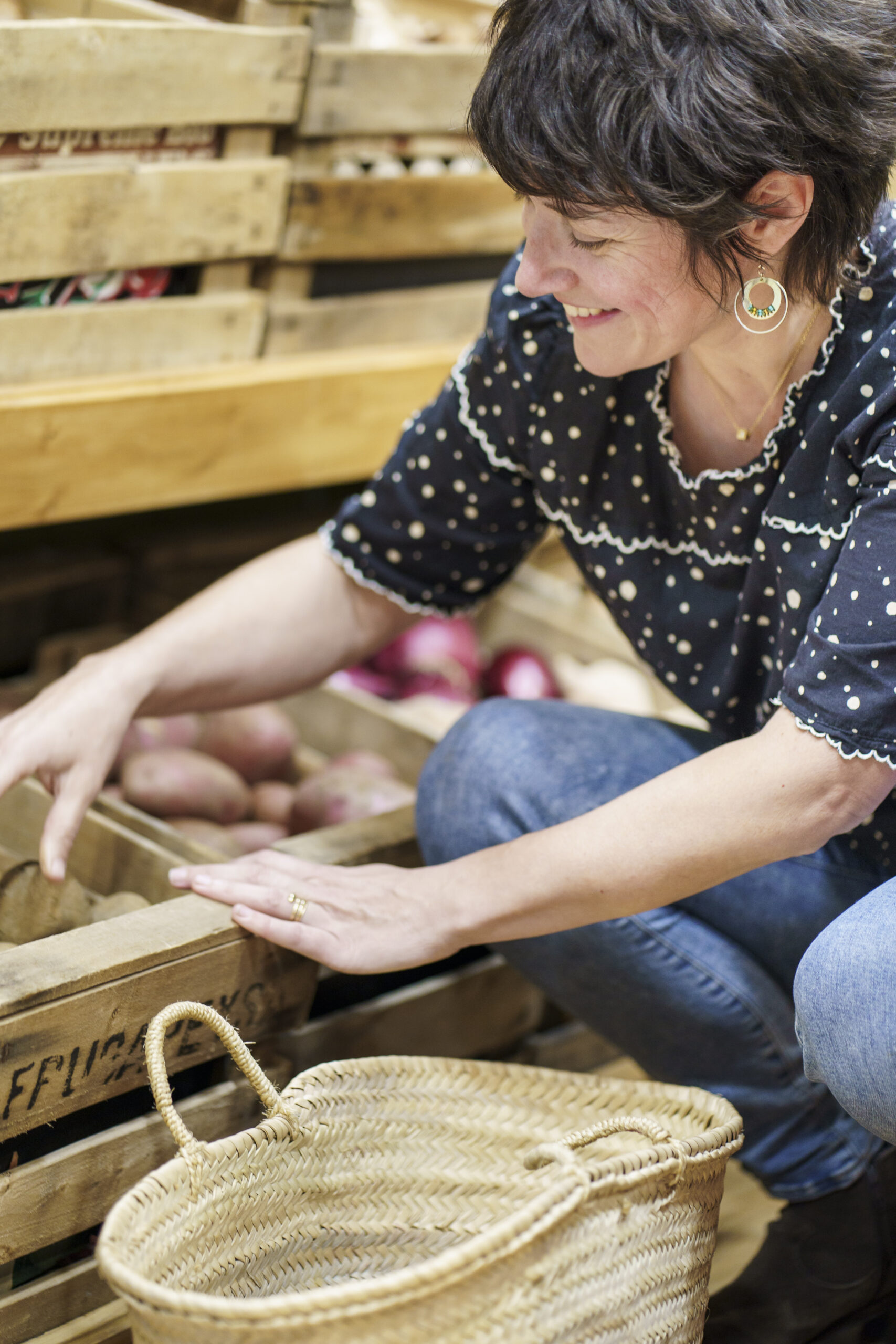
Deborah Piña of Deborah’s Culinary Island
That same ethos shapes Palma’s culinary evolution. At Mercado de l’Olivar, culinary guide and chef Deborah Piña leads visitors through stalls piled high with seasonal produce and incredibly fresh seafood — a living expression of Mallorca’s agricultural rhythm. Homar believes this connection to the source is what makes the dining scene special. “I wish visitors recognized the depth of passion and craftsmanship behind Palma’s local businesses,” he shares. “A family-run ceramic workshop or a chef reinventing Mallorcan cuisine — these creators are the soul of the city.” At De Tokio a Lima, Mediterranean, Japanese, and Peruvian influences form a menu rooted in openness and curiosity. Meanwhile, Mombo, led by Gabriel Conti, embraces ancestral techniques and contemporary artistry — a meal that feels less like dinner and more like storytelling. Here, fine dining isn’t about spectacle. It’s about connecting to the island, its seasons, and the hands that shape each ingredient.
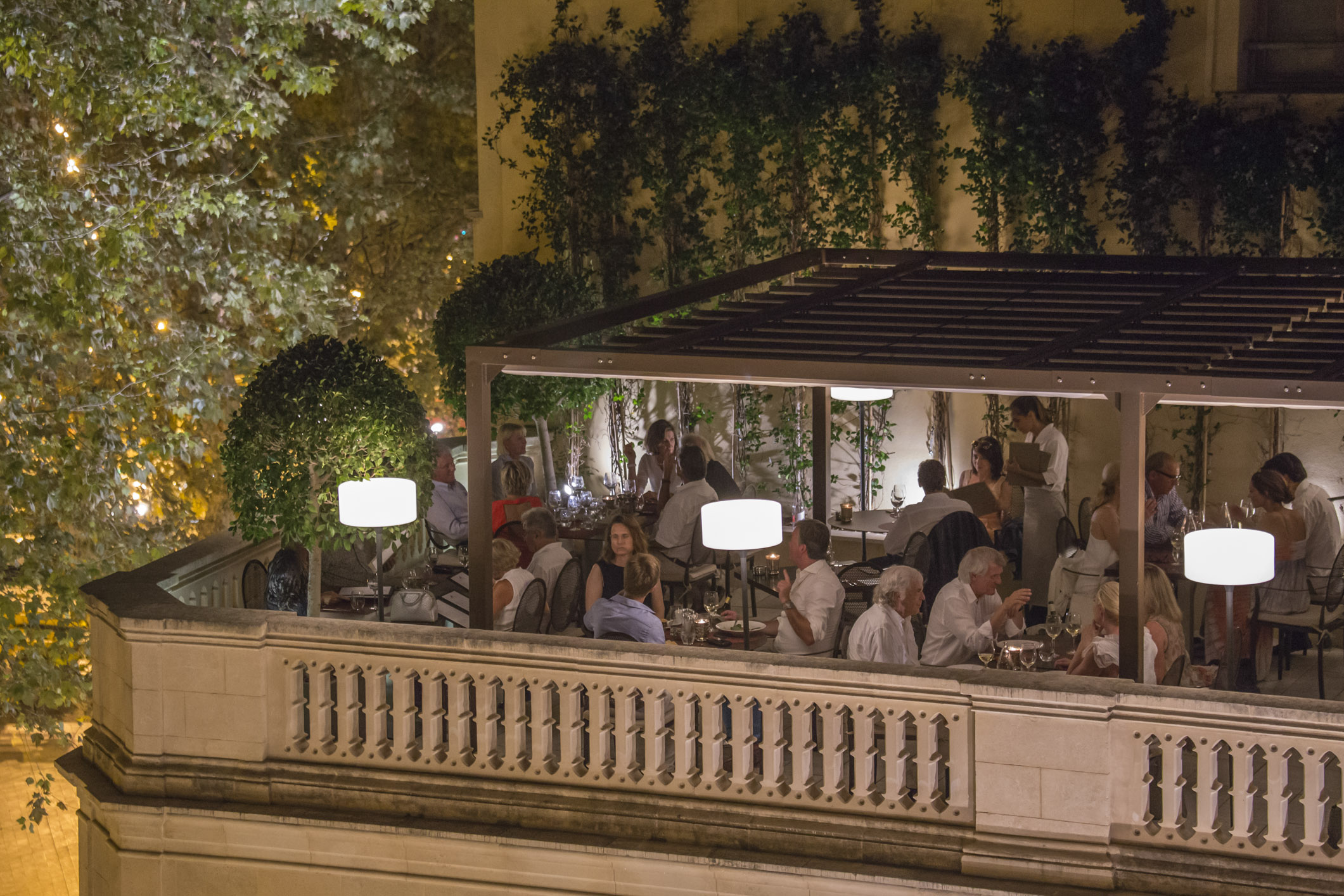
Del Tokio a Lima, located in Palma de Mallorca
Walk through Palma’s cobblestoned lanes and you’ll feel it, a city designed for presence, not productivity. Locals linger over coffee rather than rushing toward the next obligation. Even its most luxurious experiences — like the adults-only Palma Riad, with its Moroccan-inspired suites and lounges — are rooted in atmosphere rather than extravagance. Homar describes the future of tourism here not as expansion, but refinement. “The next chapter is rooted in sustainability, authenticity, and deeper cultural engagement,” he says. “We want visitors to connect with communities, support artisans, and choose experiences that respect our heritage and environment.”
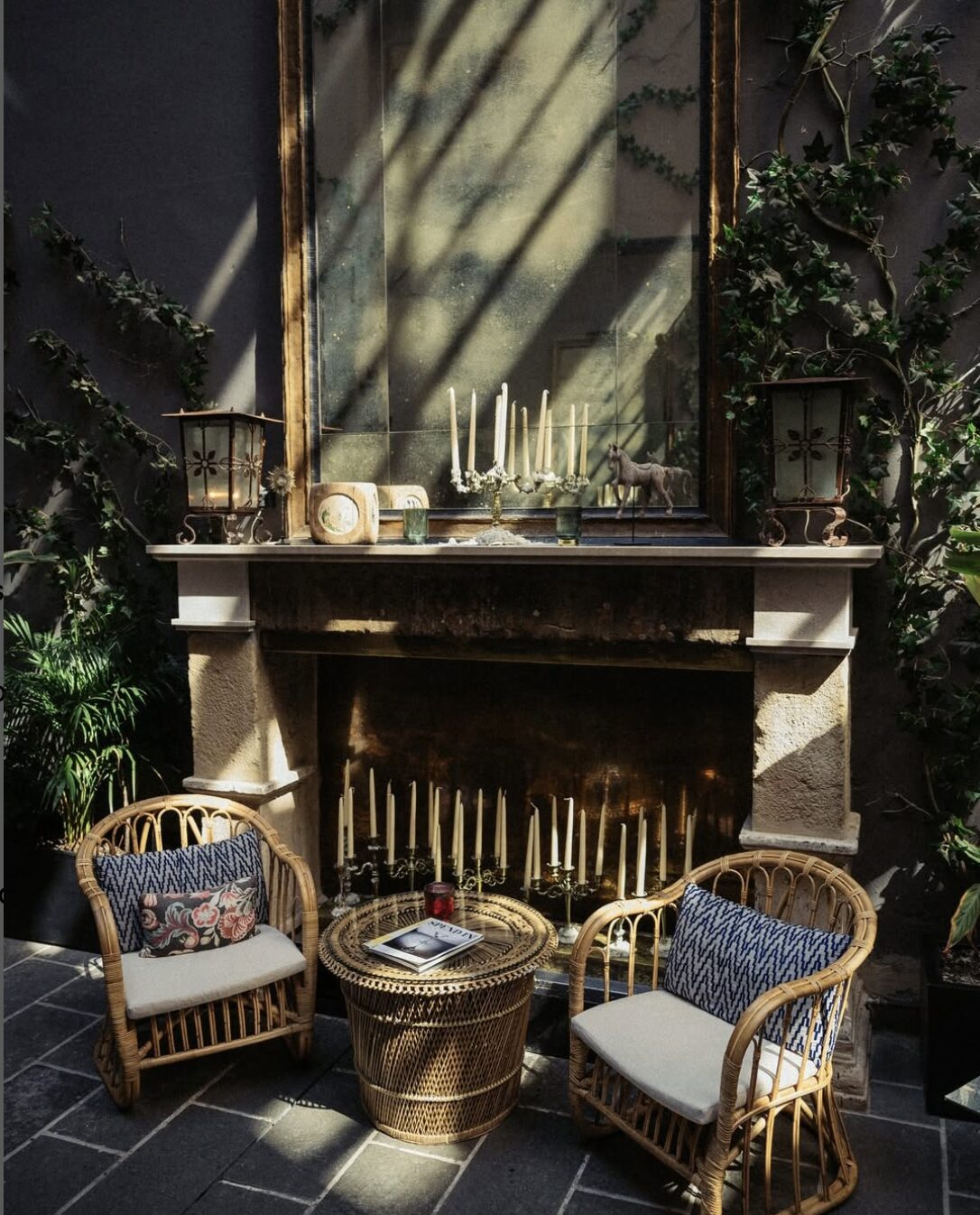
Palma Riad Hotel is located in Palma de Mallorca
Just 20 minutes beyond the city, another chapter of Palma reveals itself. The Serra de Tramuntana, a UNESCO World Heritage site, offers rugged peaks, terraced olive groves, and views that feel like memory rather than discovery. Outdoor guide Martín Bestard of Martín’s Walks believes the mountains hold Palma’s truest storytelling. “When I lead a hike, I want visitors to feel the essence of Mallorca beyond the beaches,” he says. “Walking these terraces and ancient paths, you feel how people shaped the landscape with respect and resilience.” Villages like Deià, Valldemossa, and Sóller may draw international attention, yet their authenticity remains deeply protected. “Tourism changes things, of course,” Bestard acknowledges, “But many here live with pride and belonging. Small-scale tourism and respect for traditions are key to keeping these places real.” For him, Palma’s renaissance is not just infrastructural — it’s philosophical. “People are realizing Palma’s value isn’t only nightlife or luxury hotels — it’s the landscapes, the stories, the way of life connecting mountains to sea.” There’s a moment, Bestard adds, that always stops him mid-stride; “In the Bellver forest, the scent of the pines, the light, the wind — it feels timeless. No matter how many times I walk it, it reminds me why I love this place.”
Palma’s transformation isn’t loud. There are no sweeping glass towers or flashy billboards declaring its arrival. Instead, it unfolds gently — through restored courtyards, artisanal workshops, and locally guided experiences rooted in stewardship rather than consumption. “When visitors truly understand our natural and cultural heritage,” Bestard says, “they become part of its preservation.”
Palma doesn’t demand attention — it earns devotion. Long after you leave, it remains — not as a postcard, but as a feeling. A reminder that luxury isn’t always loud. Sometimes, it’s a whisper preserved across centuries. A place that invites you to slow down until you finally see it.
And once you do, you belong.
