Van Gogh sitting in a free port is the new moonshine.
Al Capone built his criminal empire on the illicit sale of alcohol during Prohibition. Pablo Escobar became a billionaire from moving bricks of cocaine from Colombia across oceans. But what if a criminal enterprise was built on the foundation of something a bit classier than booze and white lines?
That’s right, paintings. Highly elastic prices. Sold on informal markets. And is there a more stylish way to launder money?
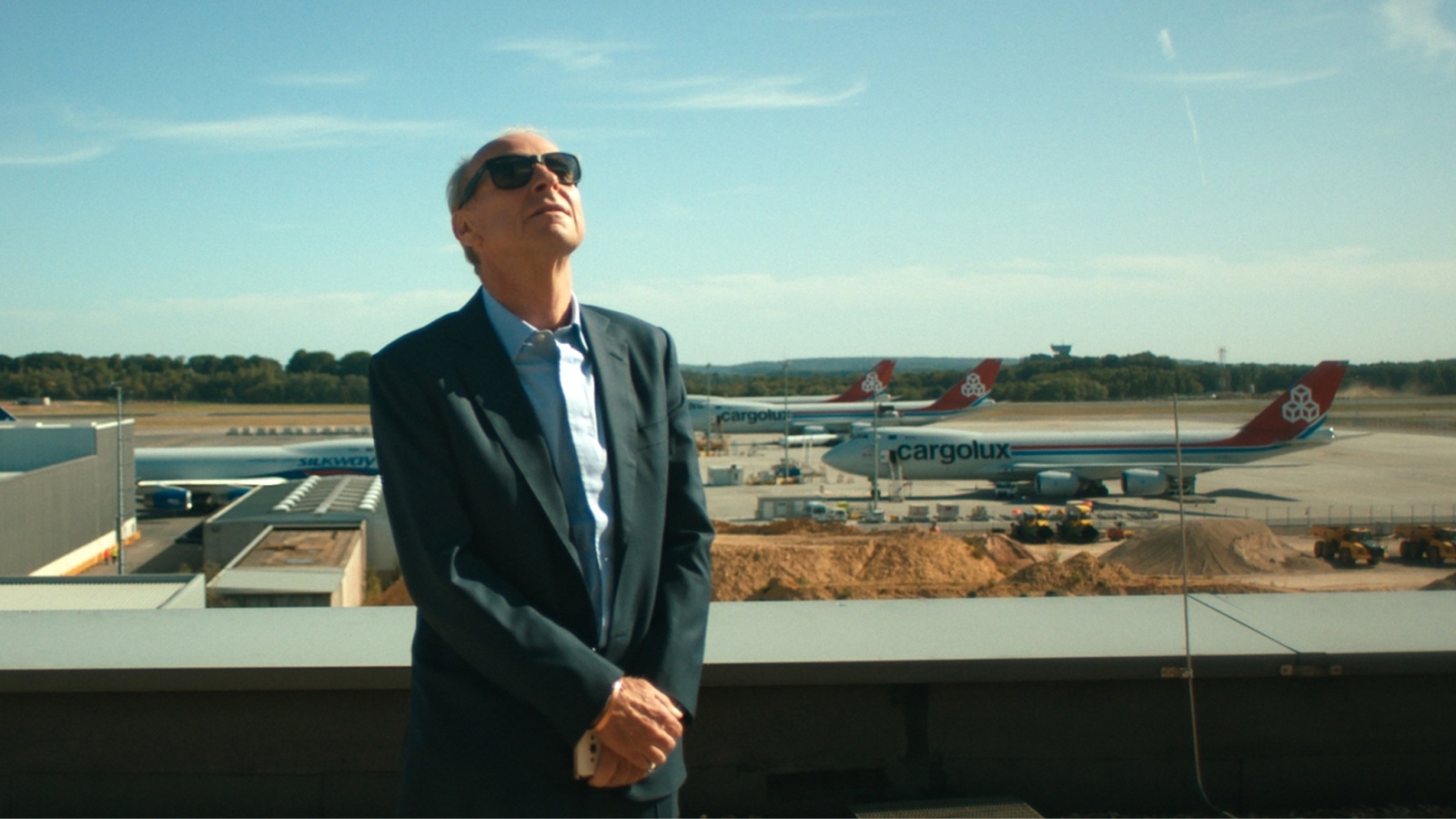
The docuseries “The Oligarch and the Art Dealer” from Danish director Andreas Dalsgaard takes us within the darkest shadows of the shady art trade. Dmitry Rybolevlec is the oligarch, with the priceless da Vincis and Rothkos, and Yves Bouvier is his art dealer. As any art enthusiast should know, good art presents conflict. And indeed, conflict between Rybolevlec and Bouvier there shall be.
The slickly produced series is visually gripping, spiriting you from one scenic European locale to the next, and then luxuriating in stills of the masterpieces in Rybolevlec’s vast collection. It’s a dishy character study into a betrayal where the stakes are money, money and more money.
The twists and turns will give you your true crime fix. But, you’ll get something more. Where the show stands out is its centering of art as a character. All of these pieces have a story. They’ve all picked up baggage on the long journey from the artist’s conception to sitting in a section in a free port designated for a Russian oligarch. A refined piece of art, with loads of cultural cachet, is now an asset of the sketchy international underworlds. They say a painting is worth a thousand words. Well, apparently, it’s worth a lot more than that.
“The Oligarch and the Art Dealer” premiered at the Sundance Film Festival January 27.
