The Knockturnal
  • Home
  • Entertainment
  • Music
  • Lifestyle
  • News
  • Videos
  • Covers
  • Merch
Tag:

TV storytelling

EntertainmentUncategorized

by Jai Singh Nanda March 17, 2026
written by Jai Singh Nanda

Swagger, Stories, and Controlled Chaos: Inside Tulsa King Season 3

Garrett Hedlund, Bella Heathcote, Dana Delany, Kevin Pollak, Jay Will, Annabella Sciorra, and Martin Starr break down the tone, the chemistry, and the chaos behind one of TV’s most entertaining crime dramas.
by Jai Singh Nanda

Some crime shows want to feel dangerous.

Others want to feel important.

Tulsa King doesn’t really worry about either of those things. It just wants to be good television.

And that confidence is exactly why it works.

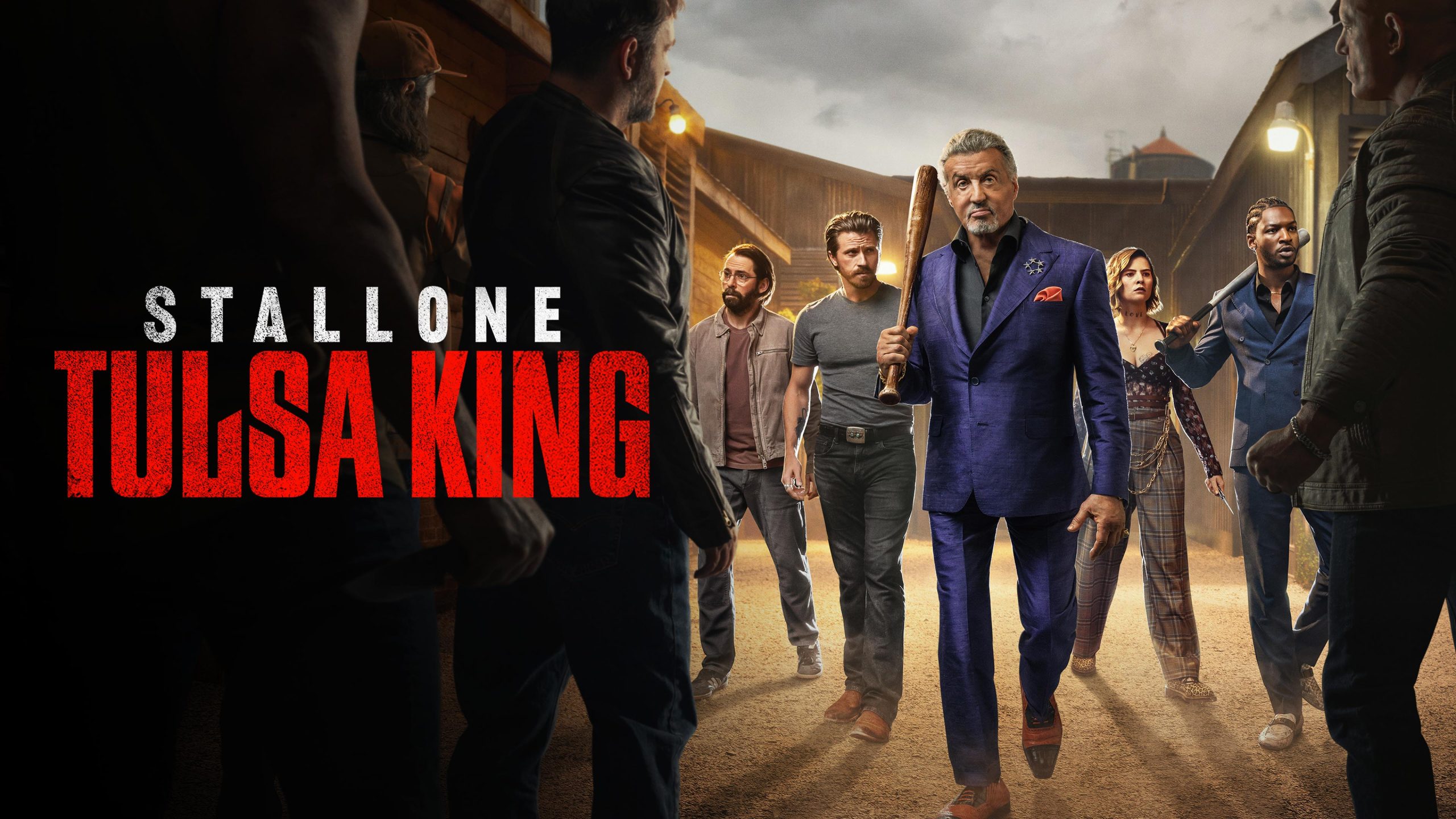
From the moment the show dropped Sylvester Stallone into Tulsa as Dwight “The General” Manfredi, it found a rhythm that felt different from most modern crime dramas. It had the structure of a mob story, sure, but it also had humor, looseness, and a kind of personality that most shows in this space tend to sand down.

By the time season three rolls around, that identity is fully locked in.

The world is bigger now. The cast is deeper. The stakes are higher. But the tone, that balance between danger and fun, remains the engine that drives everything.

After speaking with multiple members of the cast, including Garrett Hedlund, Bella Heathcote, Dana Delany, Kevin Pollak, Jay Will, Annabella Sciorra, and Martin Starr, one thing became clear.

Everyone understands exactly what kind of show this is.

And more importantly, how to play it.

The Trick Is Not Taking It Too Seriously

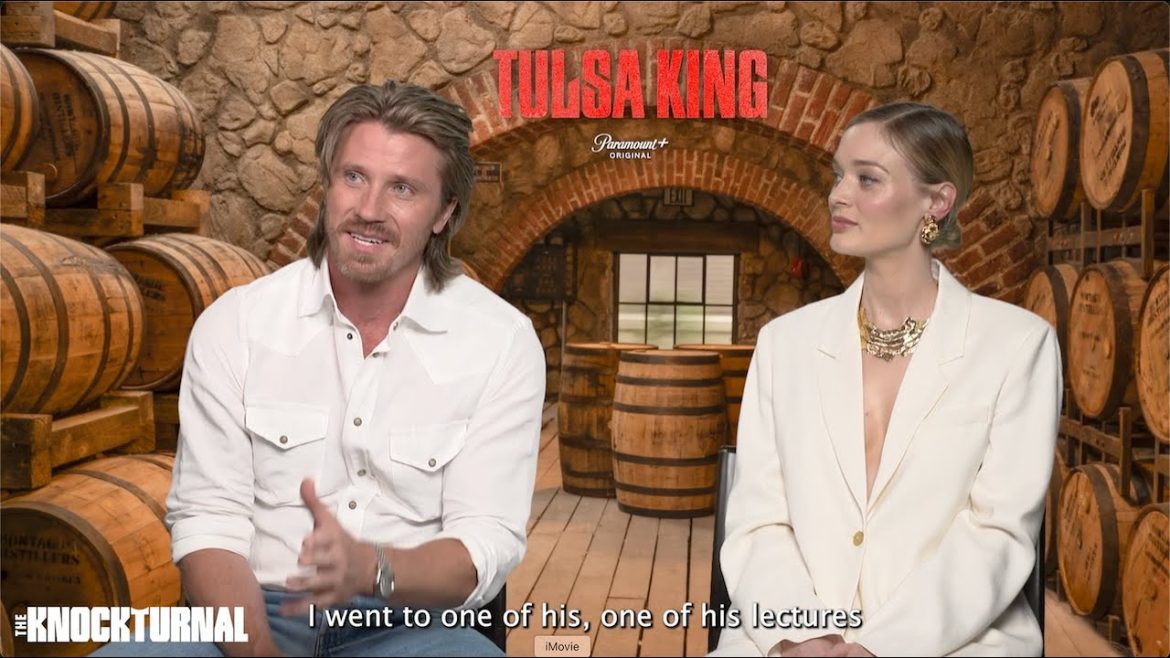
One of the first things that came up in my conversation with Garrett Hedlund and Bella Heathcote was tone.

When I asked what Tulsa King demands from them as performers that other projects haven’t, Garrett’s answer cut right to the point. This isn’t a show that benefits from being played too heavily. If you lean too far into seriousness, it starts to feel off. The better approach is to relax into it, trust the rhythm, and let the character exist without forcing the weight of it.

That idea explains a lot about why the show feels so watchable.

It’s not that the stakes aren’t real. It’s that the show doesn’t suffocate under them.

Bella added another layer, talking about how her character carries emotional weight while still maintaining a sharp, flirtatious energy. Instead of collapsing into grief, she gets to hold both sides at once. That balance, being able to carry something difficult without losing the character’s edge, is something the show allows across the board.

And that’s a big part of what separates Tulsa King from other crime series. It doesn’t trap its characters in one emotional lane.

The Stallone Effect

At a certain point, every conversation circled back to the same person.

Sylvester Stallone.

It wasn’t even intentional. It just kept happening.

Bella shared a moment that was both funny and relatable. She spent the entire season trying to work up the nerve to ask for a photo with him, finally doing it through his daughter. When it finally happened and he threw up the classic Rocky pose, she said she completely melted.

Garrett’s story went in a totally different direction. He talked about spending time with Stallone discussing philosophy, Stoicism, and literature. The way he described those moments, you could tell that’s what stuck with him the most. Not the spectacle, but the quieter conversations.

And then talking to Dana Delany and Kevin Pollak, the stories kept evolving.

Dana described how Stallone still approaches scenes like a director, constantly checking playback, adjusting, refining. Kevin remembered his first day watching a scene back with him, where Stallone joked about spinning off their characters together. It was the kind of moment that immediately puts you at ease while also reminding you who you’re working with.

By the time I got to the third group, Jay Will, Annabella Sciorra, and Martin Starr, the stories became less specific but the point remained the same. Stallone changes the energy of the set.

He’s not just the lead.

He’s the center of gravity.

A Show That Knows Its Strengths

There’s a moment in my last interview where I asked what makes Tulsa King different from all the other crime stories out there.

One of them immediately said, “We have Sylvester Stallone.”

It got a laugh, but it wasn’t really a joke.

Because that’s a huge part of it.

There’s a certain kind of presence that very few actors still bring to the screen. Stallone has it. The show leans into it. And everything around him is built to support that energy.

But it’s not just about him.

The supporting cast understands how to exist around that presence without getting swallowed by it. They play off it. They react to it. They let it elevate the scene instead of trying to compete with it.

That kind of balance doesn’t happen by accident.

Expansion Without Losing Identity

Season three also feels bigger.

New characters, new dynamics, new tensions. The world is expanding in a way that feels natural rather than forced. You can feel the show stretching outward, introducing new players while still keeping its core intact.

Dana pointed out how excited she was for audiences to see Kevin Pollak come into the mix. Jay Will talked about the influx of new talent and how it adds new energy to the story.

That expansion matters.

A lot of shows struggle once they grow past their original setup. They either overcomplicate things or lose what made them work in the first place. Tulsa King manages to avoid both.

It adds without overcrowding.

The Comedy Is the Secret Weapon

If there’s one thing that really defines Tulsa King, it’s this:

It’s funny.

Not in a way that undercuts the stakes, but in a way that makes everything more engaging.

When I threw out some more offbeat questions, like whether they’d let Dwight into their house or what they’d do after getting out of prison, the answers were all over the place. Some said they’d let him in. Some said absolutely not. Some joked about making him coffee. Others were ready to call the cops immediately.

That range of responses actually says a lot about the character.

Dwight isn’t just dangerous.

He’s unpredictable.

And that unpredictability creates a kind of tension that doesn’t rely on constant violence. You don’t know how things are going to go, and that’s what keeps it interesting.

Why It Works

By the end of these conversations, the takeaway was pretty clear.

Everyone involved in Tulsa King understands the tone.

They know it’s not supposed to be played like a traditional crime drama. They know it needs that looseness, that swagger, that ability to move between humor and tension without getting stuck in either.

And most importantly, they seem like they’re having a good time.

That matters more than people think.

Because when a show feels like it’s enjoying itself, the audience does too.

Final Thoughts

Tulsa King isn’t trying to reinvent television.

It’s not trying to be the most serious show on air.

It’s just trying to be entertaining.

And at this point, it’s gotten really good at that.

Season three builds on everything that worked before, expands the world in smart ways, and continues to lean into the one thing that makes it stand out.

It knows exactly what it is.

And it doesn’t overthink it.
 

March 17, 2026 0 comments
0 FacebookTwitterPinterestEmail
EntertainmentTV

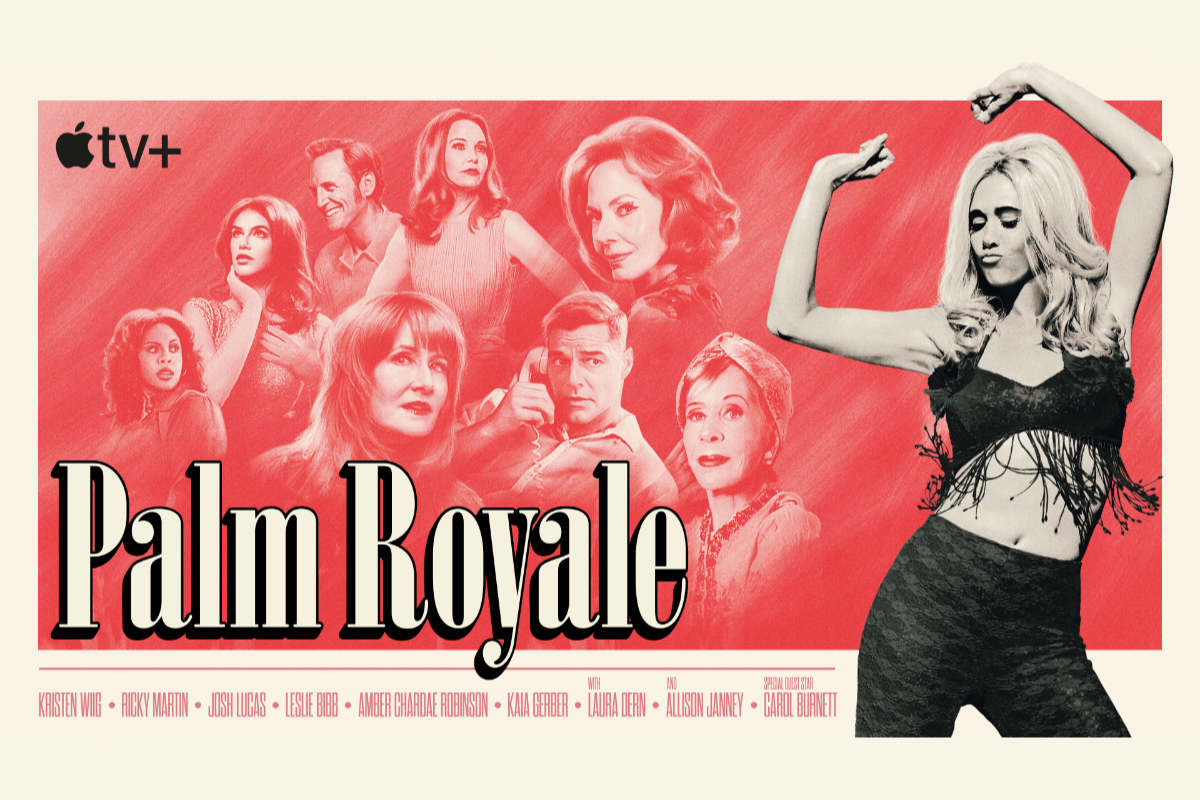
Glamour, Nerves, and Full Commitment: Inside Palm Royale Season 2

by Jai Singh Nanda March 17, 2026
written by Jai Singh Nanda

There are shows that ask actors to disappear into realism. There are shows that ask them to sharpen everything, make it bigger, brighter, stranger. And then there is Palm Royale, a series that somehow demands both at once.

Set in 1969 and built around the glittering, cutthroat world of Palm Beach high society, Palm Royale has always lived in a fascinating tonal space. It is funny, but never weightless. It is glamorous, but never hollow. It is absurd, but never so absurd that the emotions stop mattering. That balancing act is a huge part of what makes the show work, and it is also what makes it such an interesting series to talk to actors about.

Because this is not a world anyone can play halfway.

Everyone in Palm Royale has to fully commit. To the period, to the emotion, to the tension underneath the elegance, to the social theater of every interaction. The clothes are fabulous, the hair is immaculate, the sets are stunning, but none of that means anything unless the people inside that world believe in it completely.

That was the feeling I kept coming back to after speaking with Mindy Cohn and Amber Chardae Robinson, and then with Kaia Gerber and Josh Lucas. Their answers were all different, but they kept circling the same core ideas: nerves, trust, observation, tone, and the strange freedom that comes from letting go enough to truly play.

A World Where Performance Is Everywhere

At the center of Palm Royale is Maxine, played by Kristen Wiig, an outsider trying to break into the most exclusive social world in Palm Beach. That premise alone gives the show a natural charge. It is about class and reinvention, about image and power, about who gets welcomed in and who gets left standing at the door. But what makes the series more interesting is that everyone in it is performing something.

Some characters are performing wealth. Some are performing confidence. Some are performing stability, charm, romance, respectability, innocence. Even when they are standing in beautiful rooms under chandeliers, they are often scrambling internally to hold onto whatever version of themselves the world requires from them.

That is part of why the show works so well as both comedy and drama. Underneath the polish, everyone is managing panic, desire, insecurity, loneliness, or ambition.

And because season two already has that world established, it gets to go even deeper into the emotional absurdity of it all. The satire gets sharper, but the people do too.

Mindy Cohn on Why the Work Still Feels the Same

When I asked Mindy Cohn how the industry feels different now compared to when she started acting, I loved that she immediately separated the business from the actual experience of doing the work.

Her point was simple but kind of profound: whatever changes around the industry, stepping onto a set still feels the same. That part, the actor stepping into the space and getting ready to play, still feels like home.

That answer really stuck with me because it cut through all the usual noise around how much entertainment has changed. Of course it has changed. The platforms are different. The volume of projects is different. The pace is different. The way people consume stories is different. But her answer reminded me that the actual pulse of acting is still tied to something much older and simpler. You show up. You feel the nerves. You get ready. You do the scene.

She also spoke about this era as an exciting one because there are more kinds of voices and more kinds of projects out there. That breadth matters. And for someone who has worked across so many different eras of television, it was interesting to hear that sense of possibility rather than fatigue.

It also felt fitting for a show like Palm Royale, because it really is the kind of series that only works in an environment willing to make room for something this specific. It is period comedy-drama, social satire, emotional farce, and ensemble piece all at once. It is glossy and odd and deeply committed to its own rhythm.

That kind of thing needs people who still love the work.

Amber Chardae Robinson on Learning by Watching

When I asked Amber and Mindy what it was like working around such an accomplished ensemble, Amber gave one of the most revealing answers of the day.

She talked about what she absorbs by simply watching people like Laura Dern and Kristen Wiig work. Not in some abstract, starstruck way, but in the practical sense of learning how they carry themselves, how they use their power, and how they create an atmosphere around them.

One of the things she pointed to was the generosity of that environment. She described a moment with Laura where she was encouraged to ask for another take if she needed one. It sounds small, but it really is not. For someone still finding their footing, that kind of encouragement can completely shift how you understand your own right to take up space.

That stood out to me because it says a lot about what kind of set this must have been. On a show this ornate and high-performing, it would be easy for newer actors to feel like they should stay quiet and simply keep up. But Amber described a culture where great actors were not just impressive to watch, they were also teaching by example.

She also spoke about literally forgetting she was acting while watching Allison Janney burst into a scene. That image is so perfect for Palm Royale. It is a show of entrances, of force, of personalities that arrive like weather. And if you are lucky enough to be in the room for that, of course it can feel like a master class.

Everyone Still Gets Nervous

Mindy took that same question in a slightly different direction, and honestly, it may have been my favorite part of the entire conversation.

She talked about nerves.

Not just first-day nerves, but second-day nerves, two-month nerves, that constant flicker of anxiety that can still show up no matter how experienced you are. And what she found comforting was learning that the actors she admired most feel it too.

That felt deeply human, and it also felt very connected to Palm Royale itself.

Because this is a show about performance in every possible sense. Social performance. Romantic performance. Performance as survival. Performance as reinvention. And to hear someone as seasoned as Mindy say that nerves are still part of the process was a reminder that confidence and fear are often sitting right next to each other.

Her framing of it was smart too. Nervousness does not always have to be read as something negative. Sometimes it is simply excitement. Sometimes it is energy. Sometimes it is proof that you care.

And on a set where so many moving parts are waiting for you, lights, camera, crew, fellow actors, all of it, there is pressure in that. The challenge is letting those first moments pass so you can stop worrying about how you are being perceived and return to play.

That idea, returning to play, feels like the key to this whole show.

Josh Lucas on Playing the Truth, Not the Joke

My conversation with Josh Lucas got right to one of the trickiest parts of Palm Royale: tone.

I asked him how he finds the right balance on a show that is at once glamorous, ridiculous, satirical, and emotionally sincere. His answer was exactly what I hoped it would be.

He said you cannot play the comedy. You cannot chase the satire. You have to fully commit to the truth of the character and the reality of the moment.

That is the whole thing.

In Josh’s case, that means understanding Douglas not as some wink at rich men of the era, but as a man who genuinely moves through the world with a level of entitlement and arrested development that creates chaos everywhere he goes. He does not think he is being funny. He is just making a mess. The humor comes from how sincerely he inhabits that.

That is such an important distinction, because a show like this would collapse if the actors started playing from the outside in. If everyone treated it like an elaborate joke, the emotional grounding would disappear. But if they fully inhabit the relationships, the time period, and the stakes, then the comedy becomes sharper because it emerges naturally out of behavior.

Josh also said something I thought was especially sharp: one of the biggest mistakes an actor can make is trying to be funny. And on a show like Palm Royale, that is exactly right. The funniest moments are often the ones where the characters are taking themselves most seriously.

Kaia Gerber on Unlearning Camera Awareness

Then Kaia Gerber came at performance from a completely different angle, and her answer was one of the most self-aware of the day.

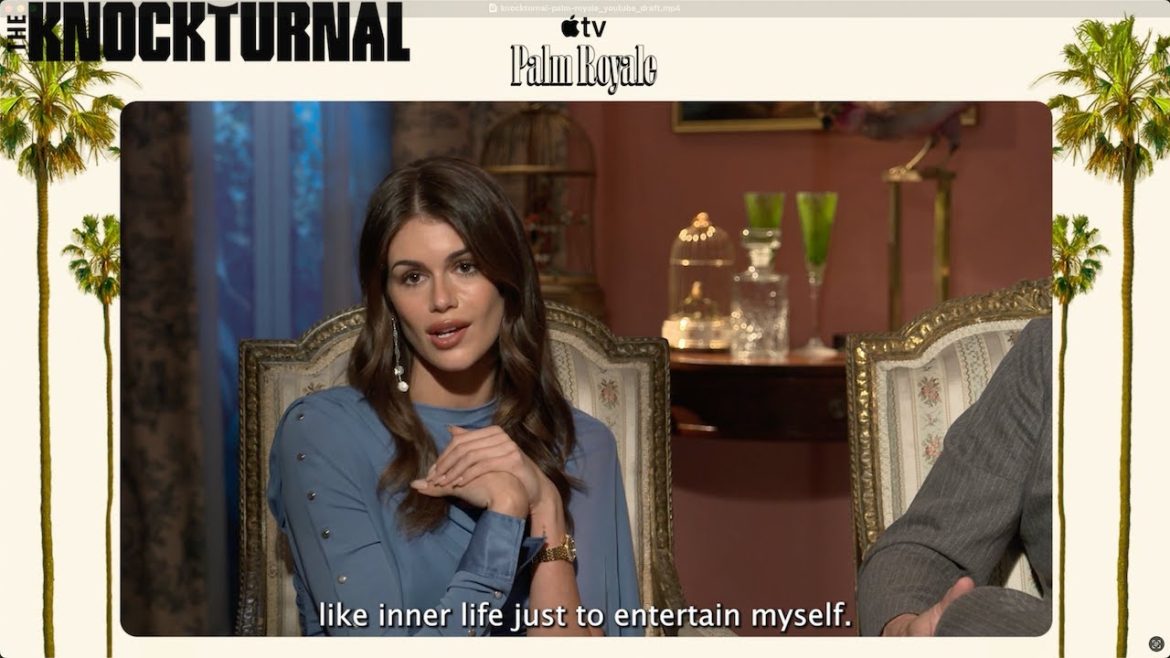
I asked her about the biggest differences and similarities between modeling and acting. She said that one of the biggest habits she had to unlearn was the constant awareness of the camera. In modeling, you are trained to know exactly where it is, how you are framed, how the light is hitting you. In acting, that level of awareness can get in the way. You cannot be fully inside a scene if part of your brain is still checking whether you are in your light.

That is such a smart observation because it gets to the difference between presentation and immersion. Modeling often asks for control over the image. Acting asks you to surrender control enough to live inside the moment.

But what I really liked was how she connected the two forms in a more personal way. She said she has often felt uncomfortable in front of the camera as herself, and that even as a model she would invent little inner characters to make herself feel more confident. Acting just takes that instinct further. Instead of briefly imagining a version of yourself for a shoot, you build a full interior world and sustain it over time.

That felt like a real answer, not a polished one. And it also made perfect sense in the context of Palm Royale, where so many characters are building and maintaining versions of themselves in order to survive a social ecosystem built on image.

What Still Excites Them About Storytelling

Toward the end, I asked Josh and Kaia what excites them about where storytelling is headed right now.

Josh’s answer was about scale and communal experience. He had recently seen The Wizard of Oz at Sphere and was clearly energized by the idea that some future forms of storytelling may become bigger, more immersive, and more collective again. He talked about the difference between solitary streaming and shared audience experience, and how there may be room for storytelling to split into different lanes rather than simply collapse into one model.

What I liked about his answer was that it acknowledged how unstable the industry feels right now while still leaving room for optimism. There is a lot of uncertainty, and he did not deny that. But he also seemed genuinely curious about where new forms could emerge.

Kaia’s answer went in a more intimate direction. She brought up the anxiety around AI, but instead of just staying in fear, she argued that what still gives her hope is human specificity. The strange, deeply personal, emotionally messy ideas that only come from actual lived experience. Her point was not that technology is irrelevant, but that it cannot authentically generate the weirdness, trauma, empathy, and specificity that make certain stories feel truly alive.

That felt especially relevant to Palm Royale, which is such a human show in all its excess. It is too strange, too emotionally contradictory, too interested in insecurity and longing and social absurdity to feel machine-made. Its pleasures are human pleasures. Vanity, delusion, heartbreak, performance, desire, gossip, jealousy, reinvention. No algorithm could have lived that.

Why Palm Royale Worked

What makes Palm Royale memorable is not just that it looked beautiful, though it certainly did. It is not just the costuming, the production design, the hair, the makeup, or the cast list, though all of those things mattered. What made it work was that beneath all the style, the show understood something very real about performance.

It understood that people are almost always acting a little.

Acting richer than they are. More stable than they are. More desirable than they feel. Less hurt than they really are. More secure, more elegant, more in control.

And in a world like Palm Beach in 1969, that performance becomes almost total. It is not just social. It is existential.

That is why the actors had to commit so fully. Because if anyone broke the illusion, the whole thing would wobble. Instead, what came through from every conversation I had was that the people making this show understood that truth and treated it seriously. They brought nerves into the work, but not fear. Observation, but not imitation. Glamour, but not emptiness.

By the end of my interviews with Amber Chardae Robinson, Mindy Cohn, Kaia Gerber, and Josh Lucas, what stayed with me most was not just how much talent was in this ensemble. It was how much thought was behind the performances.

A show this heightened only works when everyone believes in the emotional reality underneath the madness.

Palm Royale did.

And that is why, even at its most chaotic, it never stopped feeling human.

March 17, 2026 0 comments
0 FacebookTwitterPinterestEmail

Digital Cover No. 19

The Knockturnal Merch

Follow Us On The Gram

This error message is only visible to WordPress admins

Error: No feed with the ID 3 found.

Please go to the Instagram Feed settings page to create a feed.

About The Site

We are a collective of creative tastemakers made up of fashion, music and entertainment industry insiders. It’s all about access. You want it. We have it.

Terms Of Use

Privacy Policy

Meet The Team

CONTACT US

For general inquiries and more info on The Knockturnal, please contact our staff at:
info@theknockturnal.com
fashion@theknockturnal.com
advertising@theknockturnal.com
editorial@theknockturnal.com
beauty@theknockturnal.com

  • Facebook
  • Twitter
  • Instagram
  • Linkedin
  • Youtube

© Copyright - The Knockturnal | Developed by CI Design + Media

The Knockturnal
  • Home
  • Entertainment
  • Music
  • Lifestyle
  • News
  • Videos
  • Covers
  • Merch