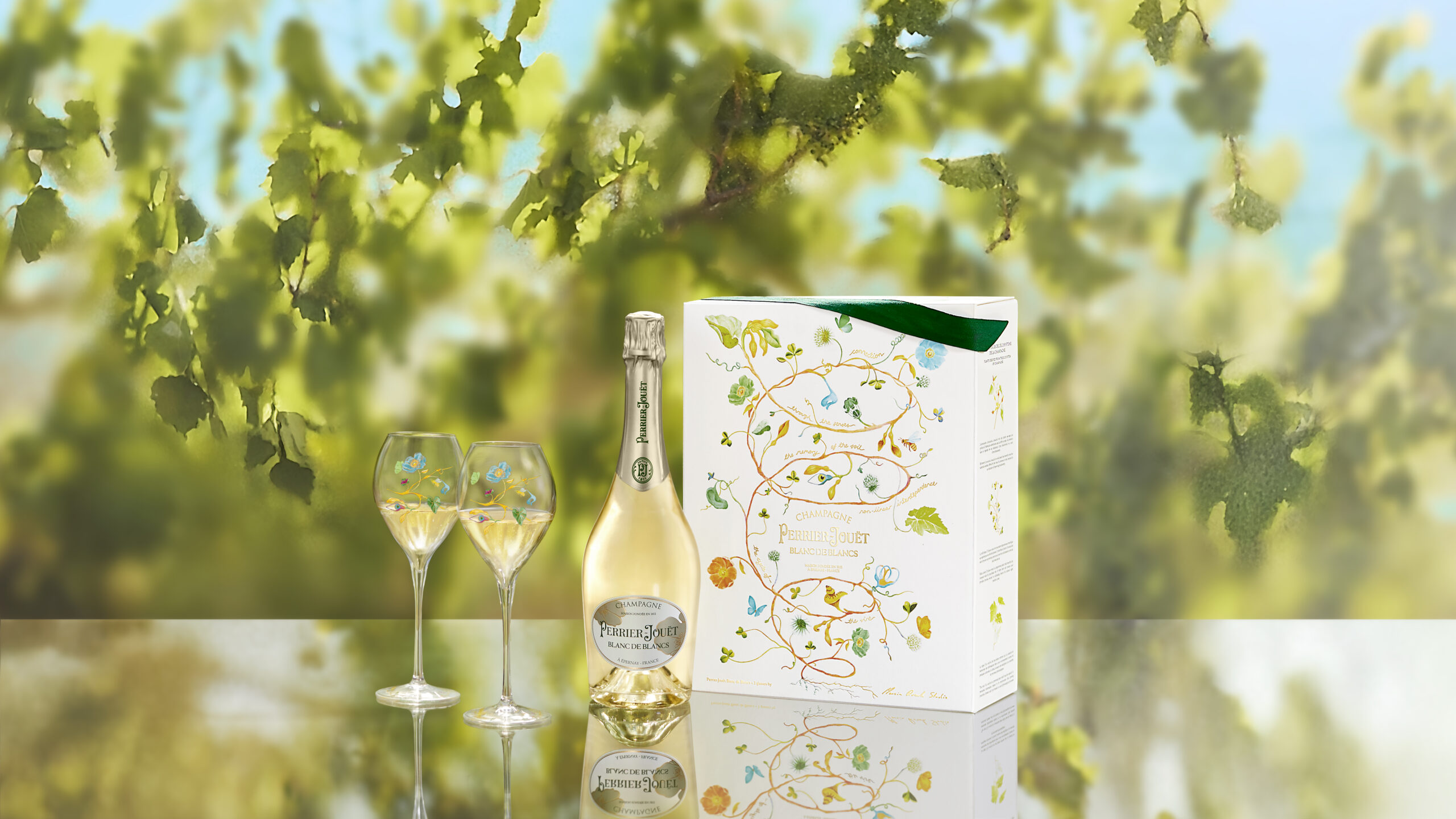
Miami Art Week has never been short on spectacle, but during Art Basel 2025, Maison Perrier-Jouët offered something rarer: a moment of quiet attention. On the sands of Faena Beach, where sound systems usually compete with the ocean, the storied Champagne house unveiled Plant Pulses, a multidisciplinary installation by Polish artist and designer Marcin Rusak that invited visitors to slow down, listen closely, and reconsider what nature has been trying to tell us all along.
Unveiled from December 2–7 as part of Faena Art programming, Plant Pulses translated cutting-edge scientific research on plant communication into an immersive artistic experience — one that blurred the boundaries between art, ecology, and technology.
When Plants Communicate, Humans Finally Listen
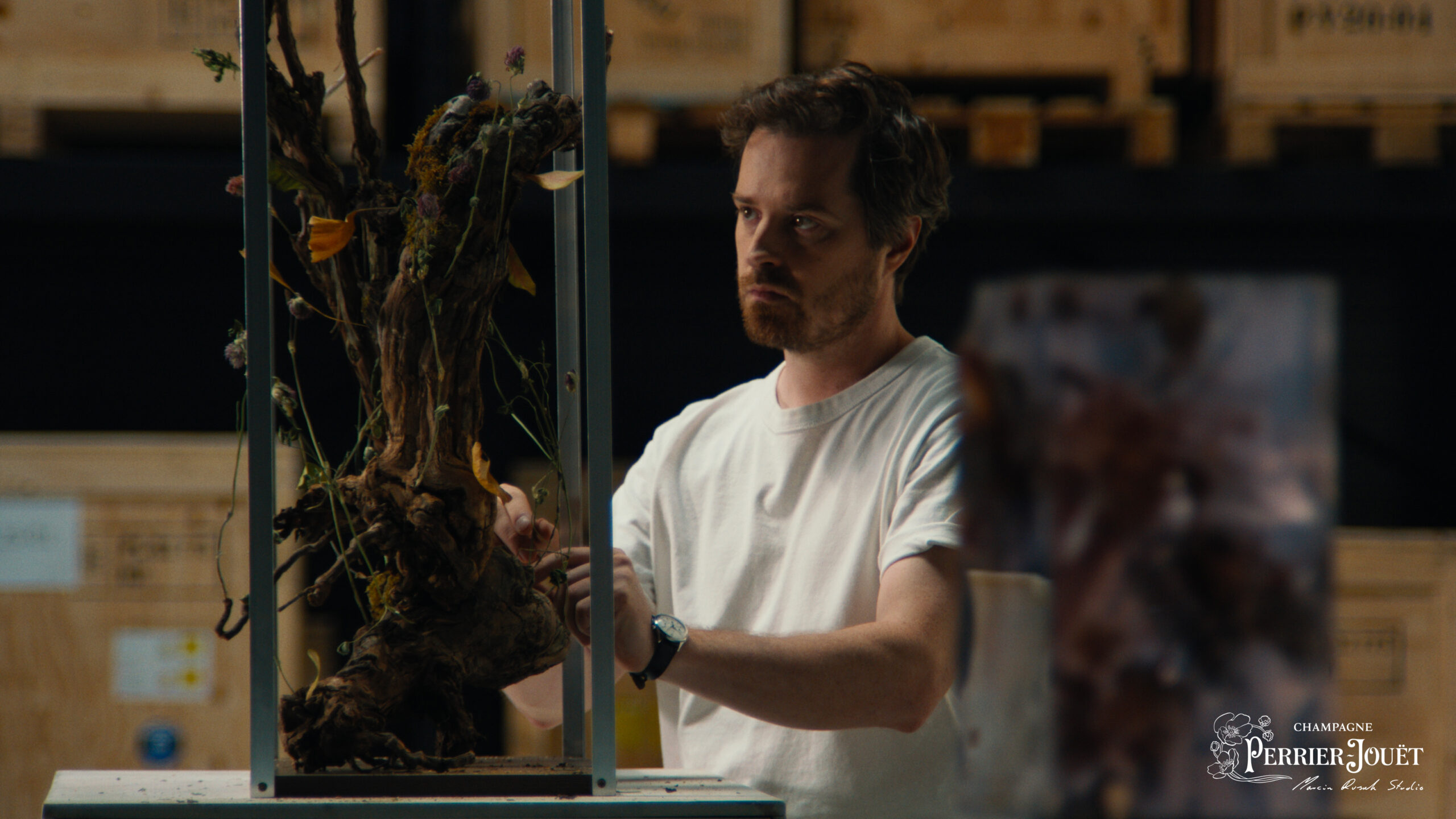
At the heart of Plant Pulses is a collaboration between Rusak and researchers Bartek Chojnacki and Klara Chojnacka of AGH University of Science and Technology in Kraków, whose experiments revealed that plants emit ultrasonic signals when under stress, such as dehydration. These signals subside when the plant returns to a healthy state — a form of communication that has long existed beyond human perception.
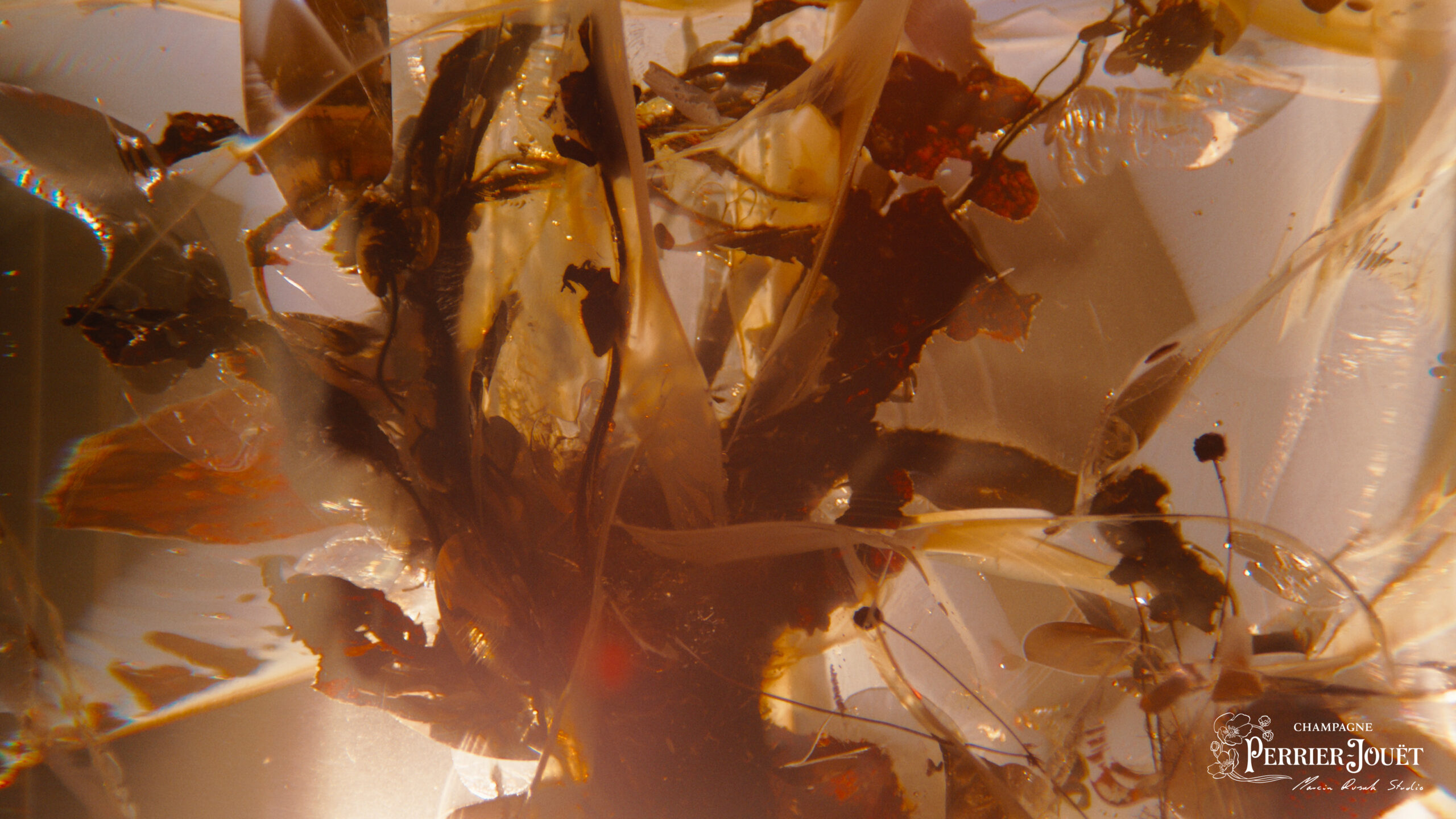
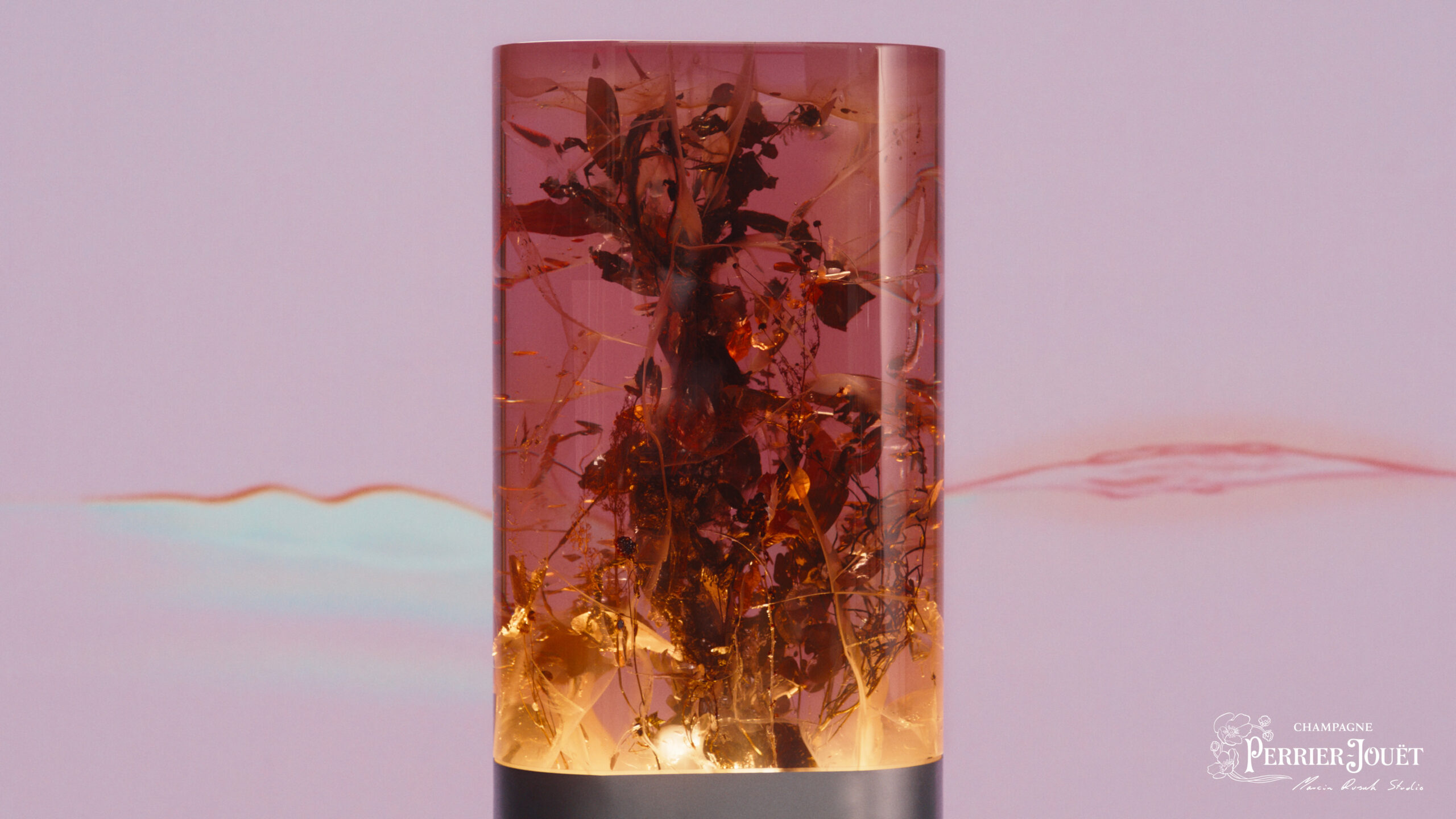
Rusak transformed this data into a soundscape and visual language that made the invisible audible and the inaudible emotional. Inside the installation, visitors were guided by multidirectional sound toward a monumental central sculpture: a contemporary herbarium encasing three “hero” plants vital to the Champagne ecosystem — the vine, European birthwort, and white clover — alongside chalk soil and end-of-life Perrier-Jouët vines. Suspended in resin, the sculpture functioned as a time capsule, preserving botanical matter while symbolizing the fragile continuity of ecosystems across generations.
The soundscape unfolded in three movements — dehydration, inter-plant communication, and rehydration — while circular screens evolved visually from stark linear graphics into organic, bubble-like forms, subtly nodding to Champagne itself. Even the seating, 3D-printed and embedded with plants Rusak collected in Épernay, encouraged visitors to pause, observe, and reflect.
A Shared Botanical Heritage
The collaboration felt especially resonant given Perrier-Jouët’s botanical lineage. Founded in 1811 by Pierre-Nicolas Perrier and Rose-Adélaïde Jouët — both passionate lovers of art and nature — the House has long been shaped by horticulture and progressive viticulture. Its iconic Japanese white anemone, introduced by Art Nouveau pioneer Émile Gallé, remains a symbol of the brand’s symbiotic relationship with the natural world.
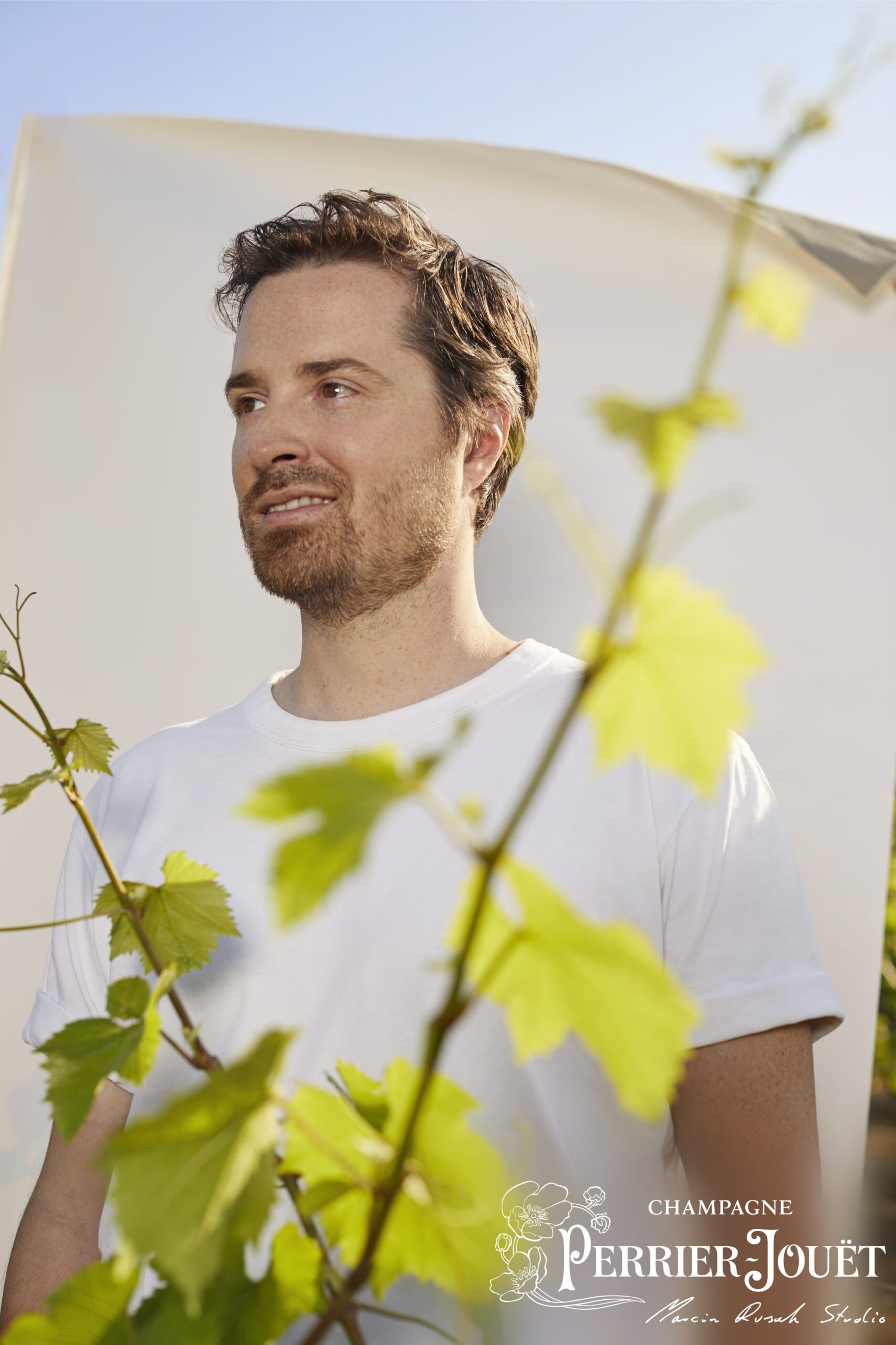
Rusak’s practice mirrors that ethos. Descended from flower growers, his work often incorporates discarded plants, questioning beauty, decay, and human intervention. As Rusak himself noted, visiting Perrier-Jouët’s vineyards revealed a shared philosophy: “the slow, patient process of creating champagne… much like my practice.”
From Installation to Table: The Banquet of Nature
That philosophy extended beyond the beach and onto the table. On December 2, Perrier-Jouët hosted the Banquet of Nature at Faena’s Mammoth Garden — a four-sequence dinner orchestrated by three-Michelin-star Chef Pierre Gagnaire, the House’s longtime ambassador and creative partner.
Designed in collaboration with experimental Dutch duo Steinbeisser, the dinner explored how design, tableware, and sourcing shape our relationship with food and nature. Guests were invited into conversations with Rusak himself, while vintage cuvées from the Belle Epoque Collection anchored the experience in Perrier-Jouët’s Champagne heritage.
The evening also marked the launch of A Banquet of Nature: Cooking Art and Ideas with Pierre Gagnaire, a new addition to the House’s Enchanting Library. Part cookbook, part cultural dialogue, the book gathers voices including philosopher Emanuele Coccia, botanist Marc Jeanson, novelist Maylis de Kerangal, and biologist Emmanuelle Pouydebat, framing cooking as a profound cultural link between species.
Design Miami and a Long-Term Vision
The conversation continued at Design Miami, where Rusak and Axelle de Buffévent, Global Culture & Creative Director of Maison Perrier-Jouët, participated in a public panel moderated by curator Glenn Adamson, exploring biodiversity through the lens of design.
This long-term thinking is central to the House’s mission. Since 2021, Perrier-Jouët has been rolling out an experimental regenerative viticulture program, with ambitions to convert 100% of its vineyards by 2030. Research like that behind Plant Pulses could one day inform real-time vineyard resource management — a tangible example of art contributing to environmental practice.
A New Cultural Prize Is Born
Fittingly, Art Week also marked the announcement of the inaugural Perrier-Jouët Design for Nature Award, created in partnership with Design Miami. The first recipient: Iris van Herpen, the Dutch haute couturier renowned for merging fashion, science, and living systems.
Van Herpen was awarded a carte blanche to create a design-led experience for Design Miami 2026, recognizing a practice that treats nature not as inspiration alone, but as collaborator. Her most recent couture collection, Sympoiesis, drew from oceanic ecosystems, translating ecological fragility into fluid silhouettes and layered, liquid-like forms.
As de Buffévent noted, the award is meant to push sustainability beyond rhetoric — toward joyful, optimistic experimentation. For van Herpen, it offers space to further explore “the ever-shifting relationship between our body and the living forces of nature.”