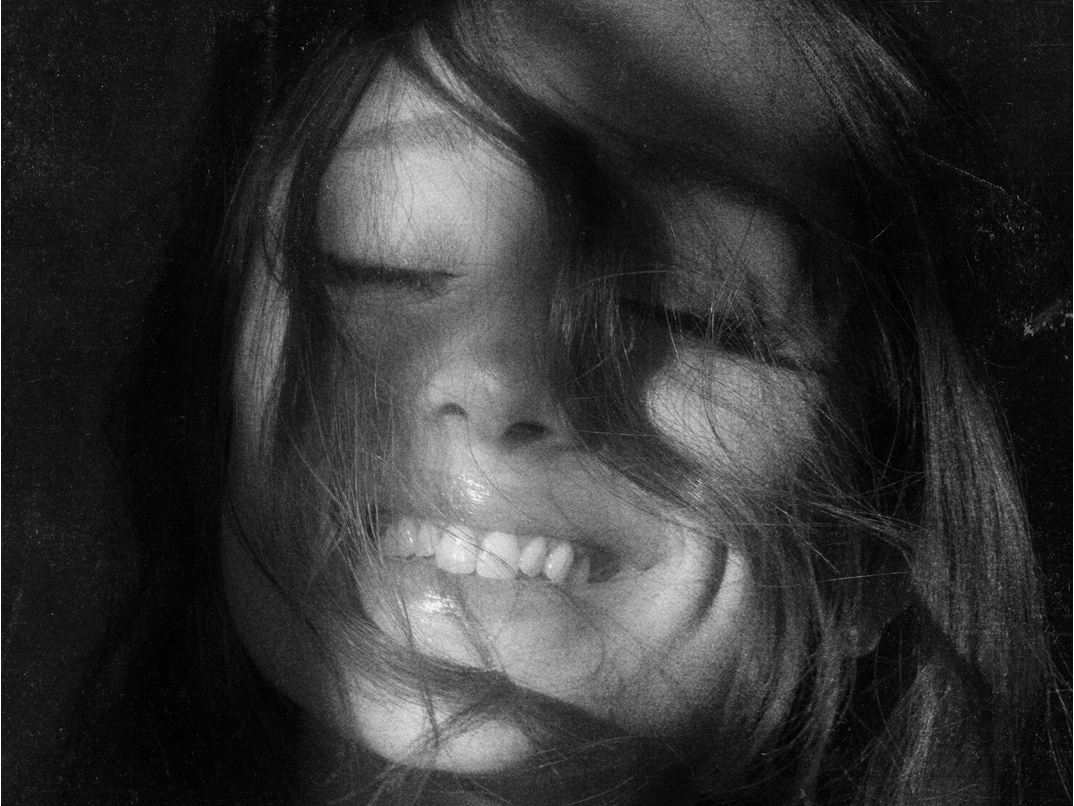
With her eighth studio album, Petal, Ariana Grande leaves listeners picking petals in search of an answer: Do we love it, or do we love it not?
Announced in the spring and released on July 31, 2026, Petal arrived at a pivotal moment in Grande’s career. The album emerged in the midst of her Eternal Sunshine Tour, a defining chapter in her evolution as a performer that has reaffirmed her status as one of pop’s most gifted vocalists while also prompting continued public conversation surrounding her appearance and well-being.
Grande described Petal as “something that is full of life and growing through the cracks of something cold and hard and challenging.” It is a fitting image for an album that reaches toward growth despite difficult conditions. The question is whether every part of that vision takes root or whether, somewhere along the way, the flower begins to wilt.
If her seventh studio album, Eternal Sunshine, existed in the glow of morning light, Petal unfolds after sunset. Across the record, Grande trades a brighter pop-forward sound for a darker sonic world built from eerie synths, hypnotic rhythms, and the trap-infused R&B influences that have long existed beneath her pop persona.
The first glimpse into this new era arrived with “Hate That I Made You Love Me.” Rather than chasing another “thank u, next” moment, Grande builds something darker. The track embraces moodier production, a more subdued performance style, and an atmosphere that prioritizes feeling over immediate impact. It is not designed as a traditional pop anthem but instead establishes the world Petal wants to inhabit, one less concerned with spectacle and more interested in atmosphere. That atmosphere is ultimately the album’s greatest strength. Petal feels like Grande stepping into a more shadowed corner of her artistry, creating an eerie, dreamlike soundscape tinged with nostalgia that sits somewhere between the sensual edge of Dangerous Woman and the trap-infused R&B influences of Positions.
Grande has always understood the importance of an album introduction, and on the opening track “Kiss Me,” she enters this new era with a sharper edge. The song’s sharp, piercing production erupts into a painful yet triumphant crescendo, evoking the feeling of emerging from a storm still standing. As she sings, “buy the ticket, take the ride,” Grande invites listeners into the world of Petal, one built around uncertainty, vulnerability, and the fragile comfort of staying present. Rather than chasing a perfect future or rewriting what came before, the album exists in the space between the two, exploring what it means to find peace in the present. At times, it feels like acceptance: an artist comfortable with where she is after years of being asked to reinvent herself. At others, it feels like avoidance, as if Petal is most comfortable when it does not have to confront what comes next.
The title track further expands on that idea, with Grande comparing her experience of fame to a flower growing through cracks in concrete. “I don’t need someone to save me, ’cause this music and I will never die,” she sings, delivering one of the album’s clearest statements of resilience. The song’s accompanying visual pushes that idea further, portraying Grande repeatedly auditioning, adapting, and reshaping herself in pursuit of approval. After being told again and again that she is not enough, she eventually reaches a breaking point. The message is not about becoming someone new but about refusing to endlessly prove that she already is enough.
That tension continues throughout tracks like “Stay,” “Oh Well,” and “Big Feelings,” where Grande explores uncertainty and emotional release while experimenting with new production styles. Together, they reveal an artist more interested in discovery than recreating past formulas. Where Petal becomes most compelling is when Grande examines the tension between being seen and being understood. On “Freak,” she confronts the exhaustion of being viewed through someone else’s expectations, declaring, “I won’t give you your fantasy this time.” The lyric feels less like a breakup statement and more like a refusal to offer an audience a version of herself built entirely for consumption. That confidence continues on “Like I Do,” where Grande channels the sensuality of earlier eras like “Dangerous Woman”, “The Boy Is Mine,” and “Dandelion.” The track is less about proving herself and more about owning her desirability, embracing the playful confidence and physicality that have always been part of her artistry. With lyrics like “keep my heels tall, my ego small, but I’m still Grande,” she presents a version of herself that knows exactly who she is.
However, for all of Petal‘s experimentation, the album occasionally struggles to fully separate itself from Eternal Sunshine. Some melodies and emotional landscapes feel familiar, while Grande’s intentionally restrained vocal performances prioritize intimacy over the soaring runs and unforgettable peaks that have long defined her work. The result is an album that pushes forward stylistically, even if its evolution doesn’t always feel complete.
The final track, “Nobody, Nowhere,” brings the album’s themes into focus. Instead of chasing a perfect future or rewriting what came before, Grande chooses to remain present. It is a quiet conclusion to an album shaped by uncertainty, exploring fame, love, and the search for a sense of self. Rather than offering a grand transformation, Petal finds beauty in simply existing within the moment.
Petal is an album of contrasts. Its strongest moments come from Grande’s willingness to step outside familiar formulas, crafting a darker, more atmospheric world that proves her artistry continues to evolve. Its weaker moments reveal a record that does not always feel as carefully refined or immediate as some of her previous work. Yet even in its quieter corners, Petal reflects what has always made Grande’s music so compelling: her ability to turn uncertainty, heartbreak, and self-reflection into something listeners can hold onto. Throughout her career, Grande has repeatedly returned to music as a form of healing, continuing a tradition often described as “therapy pop.” Petal continues that tradition, capturing an artist navigating love, fame, identity, and the weight of being constantly observed. At a time when conversations surrounding Grande’s appearance and well-being have often threatened to overshadow her artistry, the album serves as a reminder that there is still a musician behind the image.
That reality has only become more apparent since Petal‘s release. Just days after the album’s release, Grande’s representative confirmed that the singer plans to “take a step back from visibility” following the conclusion of the Eternal Sunshine Tour. “She looks forward to finishing the tour and ending it on a high note, both healthily and happily, and then taking a much-deserved break from public-facing work and appearances, which has led to endless, ongoing public scrutiny,” the representative said. As part of that decision, Grande also stepped away from plans to reunite with Wicked co-star Jonathan Bailey in the West End revival of Stephen Sondheim’s Sunday in the Park with George. Together, those announcements underscored how conversations surrounding Grande have increasingly centered on her personal well-being.
Whether this era becomes one of the defining chapters of Grande’s catalog or simply a darker, more experimental detour is a question only time can answer. The more immediate question is how this era itself will ultimately be remembered. For now, Petal exists at the intersection of artistic expression and relentless public scrutiny, with the album serving as both a creative statement and the backdrop for ongoing conversations about Grande’s well-being. The title track feels especially poignant: “long as she gets the ovation each night, heartbreak won’t bite.” Yet the reception to Petal suggests that even the loudest applause cannot keep the conversation from extending far beyond the music. Even so, for an artist who has spent years weathering every season of public attention, one thing remains clear: even when some petals wilt, Ariana Grande continues to find ways to bloom.