A close-up of a woman’s bare legs appeared on the screen. She wore a thin, floral nightgown. Dry blood depicted the sheer physical and emotional pain. In the intense scene, she screamed. Another woman rushed in with a towel to wipe the blood away. The fictional film ‘Women Talking’ (2022) communicated the ongoing need for women’s liberation.
Women Talking’ (2022) followed young Autje’s narration. Women in a religious colony learned a secret about the men. For generations, the men have drugged and assaulted the women. After the dark truth, the women gathered in the hayloft and discussed next steps. Some characters wanted to fight while others wished to flee.
Athena Film Festival 2023 screened the poignant movie. The festival showcased stories of women in leadership positions. Viewers saw the film in Barnard College’s Diana Center. Sarah Polley wrote and directed the evocative feature. ‘United Artists Releasing’ distributed the picture. Quickly, the movie established the women’s gender roles.
With little education, the women could only read symbols. Young girls wore braids in their hair. Mothers wore head scarves over their heads. Long, dismal robes covered their bodies. The strict religion expected women to forgive men despite the lack of remorse. If not, the women could not access heaven’s gates. “Is forgiveness that’s forced upon us true forgiveness?” asked Autje.
The women discussed their liberation goals. Salome wished to protect the colony’s children. Another character wanted only the men to leave. A third desired to hurt the men and boys. Ultimately, the women decided on three goals: safe children, a supportive religion, and the ability to think. From this foundation, the women collectively constructed their plan.
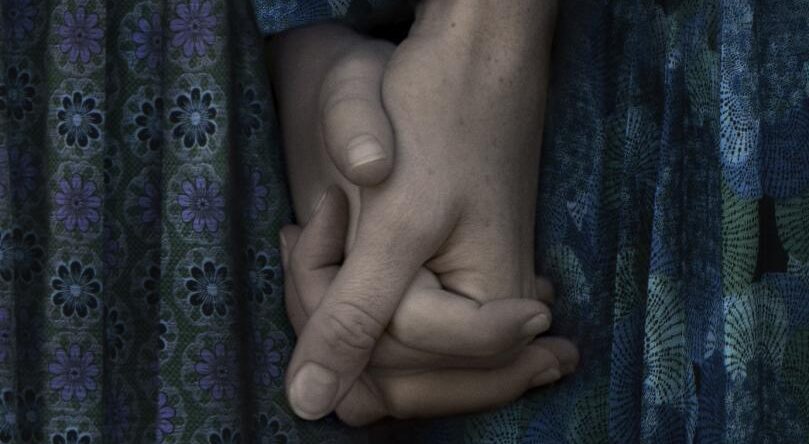
In the rising action, women voted for the first time. The options consisted of fighting or fleeing. Long shots showed the extensive line of women. Close up shots depicted hands holding charcoal pens. They marked an X on the paper by their position. Women used charcoal to draw men’s long faces.
The only man in the hayloft, August, wrote down the conversation One project becomes a pros and cons list. The women analyze the consequences of fighting versus fleeing. Upon completion, he hangs it on the wall. A teenager named Mejal doesn’t understand the purpose. None of the women could read. An older woman mentions the term “historical artifact.”
Halfway through, offscreen shouts exploded. The unnamed character wanted entries for the 2010 census. In medium shots, many women continue their chores: cleaning and cooking. Only Autje and Netje run out of their homes. In a rebellious act, they talk to the census collectors.
The year puts the film into greater context. Women complete all chores manually. The viewer does not see a phone. Boy’s schoolhouses have wooden desks and chalkboards. Horse-drawn carriages on soil roads allowed women to flee. The film takes place in a rural, isolated area. Women’s liberation consists of ongoing efforts.
After the film, Athena Film Staff facilitated a ‘talk-back’ session. A briefcase with the words ‘equal pay’ sat next to her. They said that less than 2% of donations go towards gender justice. To combat this, they asked attendees about the title’s significance.
One viewer thought the film came from desperation. She said, “the conversations were building, it was more than just talking.” Another attendee had a different thought. She said, “The title is about transformation and transformation comes out of talking.”
