
It was a dog’s bark that launched John and Molly Chester’s dream.
Until then, Molly’s vision of owning a farm was limited to a few tomato plants on the fire escape of the apartment she shared with her husband. But it wasn’t any old farm. This farm would work in harmony with the forces of the ecosystem around it and boast hundreds of plant and animal species.
John and Molly lived in Los Angeles – a filmmaker and a private chef, respectively – when they adopted Todd, a scruffy black rescue dog with a knowing gaze. Their connection to Todd was immediate. Maybe too much so. Not long after his adoption, Todd’s constant barking whenever the couple left the house prompted an eviction notice. Unwilling to part with him, the couple remembered Molly’s dream. Eight years later, this dream is a reality at Apricot Lane Farms, located outside of Santa Barbara, CA. The couple’s journey to transforming Apricot Lane Farms is captured on film in director John Chester’s documentary “The Biggest Little Farm.”
The Knockturnal covered “The Biggest Little Farm” last fall when it premiered at DOC NYC. If you’re curious to hear our take on the film, you can read the review here.
The film premiered in New York at the Quad Cinema on April 30th, drawing viewers of all ages. It features simple storytelling, beautiful wildlife cinematography, and profound themes of interconnectivity.
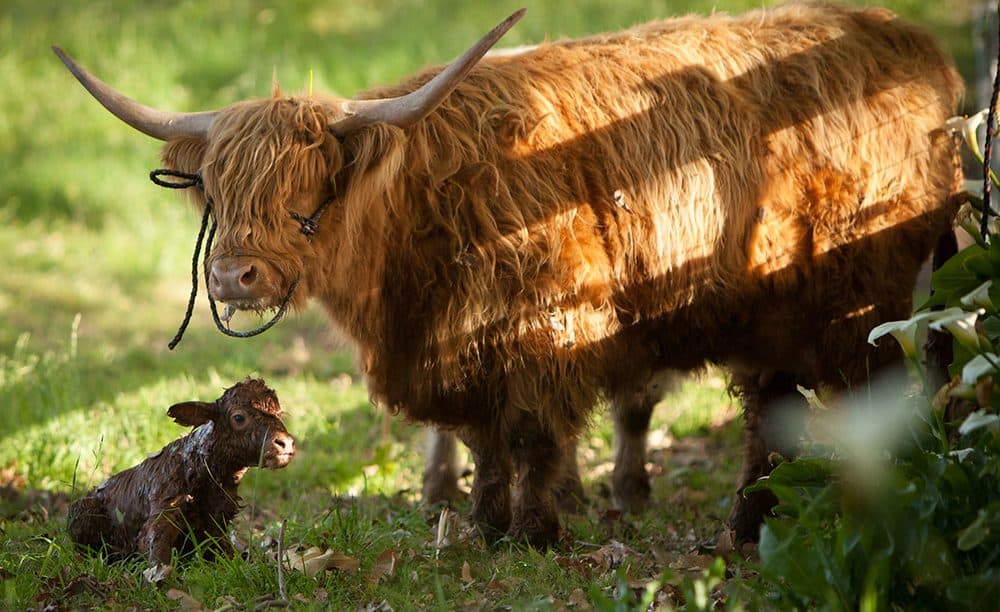
“I think that there is a universally shared anxiety about the disconnect, and the cost of that disconnect, from our ecosystem,” suggests John. “I think what a lot of people are finding is this incredible hope in a farm that is actually harnessing the power and the complexity of an ecosystem to find a coexistence. And not just a coexistence, but…a regeneration in the land’s biodiversity.”
This theme of connection and hope helps explain why John and Molly’s endeavors resonated with younger generations. In 2010, as their journey began, they needed a lot more hands on deck. The couple created a profile on World Wide Opportunities on Organic Farms (WWOOF), a website that matches people interested in organic farming with organic farmers. Responses from young people around the world poured in. They were interested in how their food is grown, treating animals humanely, and of course, avoiding a 9-5 desk job.
“A lot of them, to their parent’s disappointment after spending thousands of dollars on a college degree, didn’t see the value in it. So they were always here under slight duress.” John chuckles lightly. “But I think a lot of them were really seeking to be connected to something that felt purposeful.”
It’s not hard to understand the drive of those WWOOF volunteers. After all, younger generations are the ones driving global shifts towards veganism and eco-conscious consumption. These trends suggest a greater awareness of our place in the world, and the effect our actions have on other living beings.
John sees potential in these young people, and in how they’ll carry on the legacy of Apricot Lane Farms. Many continue to work on the farm as full-time employees, and others have left to work on other farms. Some have even started their own, passing on techniques they learned with John and Molly.

He sees potential in the film’s audience as well, especially those still in school. The website offers educational programs for schools – free screenings and other resources on sustainability and farming.
“Third graders are the reason we started wearing seat belts in the 70s because they forced all their parents to wear seatbelts,” says John when asked about how he hopes his film might affect young audiences. “Third graders are the reason we got parents to stop smoking and third graders are the reason that we started recycling.”
For John, these young people and children, whose minds remain unjaded and hearts open to the possibilities of the future, are the greatest forces of change.
In hindsight, it’s not difficult to comprehend the film’s draw, but the attention it garnered surprised the filmmakers.
“It’s shown Molly and I that people care about what we care about more than we had ever thought,” John muses. “Our hope was that people would just buy our food if we worked really hard to grow it the way that we do. I think what we’re finding is a culture and a connection to a community of people that, more than just wanting to buy the food, are just happy and inspired to know that we exist. And finding their own way to contribute.”
In an isolating political climate and with a growing sense of urgency around climate change, the story of a couple chasing a dream of harmonious biodiversity is energizing. The film offers a new perspective, where obstacles are nothing but opportunity, conflicts give way to the community, and a dog’s bark isn’t a nuisance, but a catalyst.
Besides maintaining the ecosystem he and Molly have cultivated at Apricot Lane, John has written a series of children’s books based on their farm animals. Check out the first in the series, “Saving Emma the Pig,” here.
The Biggest Little Farm premieres this Friday, May 10th. Check out the website here.
If you’re curious about Apricot Lane Farms, or you’d like to visit, check out their website here.
