Sports documentaries have become one of the most compelling ways to revisit iconic teams, blending storytelling with real analysis of what made those sports leagues special. Some of the recent ones include ABC’s The Last Dance, Netflix’s documentary series of the Dallas Cowboys’ 1990’s dynasty, and WWE Unreal.
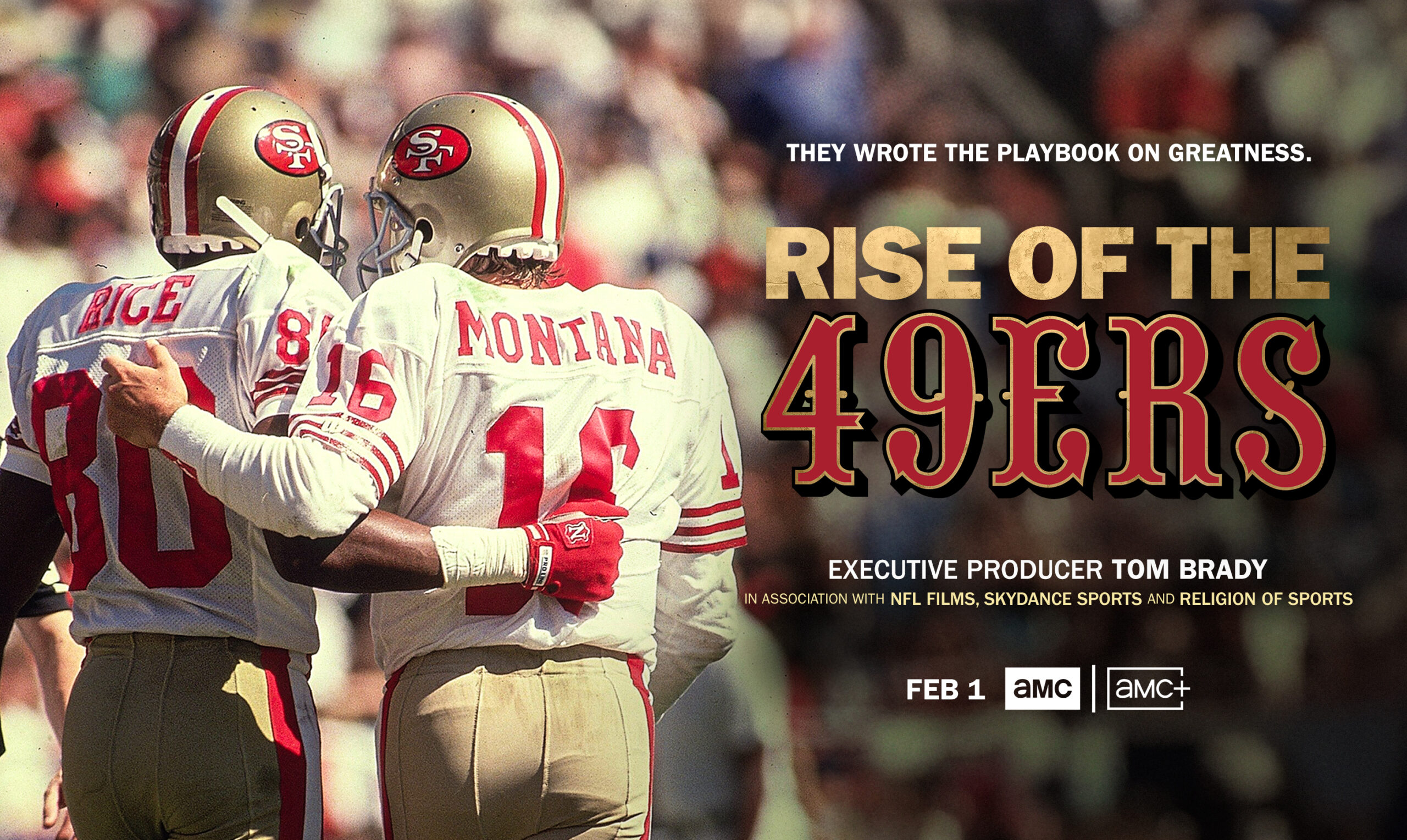
AMC’s look at the San Francisco 49ers does exactly that. Rise of the 49ers balances strong television storytelling with a detailed breakdown of football history. After speaking with producer Nick Mascolo, it became clear the series was built with both entertainment value and historical context in mind. Here are six key lessons that stood out from both a TV and sports perspective as I watched the series.
Rise of the 49ers Smartly Focuses on the Era That Built the Dynasty
From a storytelling standpoint, narrowing the timeline was one of the documentary’s strongest decisions. Instead of trying to cover every championship season, the series centers heavily on the years tied to legendary coach Bill Walsh. Mascolo explained that the team wanted to focus on Walsh’s run from 1979 through 1988 because it shows how the foundation of the dynasty was built. From a football analysis angle, that stretch is where the franchise developed its identity, culture, and offensive philosophy that would influence the entire league.
The 1988 season becomes a major focal point because it served as a pressure test for the organization. Had the 49ers fallen short that year, the narrative around their dominance might look very different today. From both a dramatic and competitive standpoint, that season delivers one of the series’ strongest arcs.
Archival Footage Plays a Huge Role in Selling the Story
One of the biggest strengths of Rise of the 49ers is how it visually recreates the era. Mascolo described the process of tracking down footage as something closer to investigative reporting than standard production work.
Because the 49ers have such a rich history, the team had access to footage gathered from previous projects, but they still had to locate additional broadcasts, press conferences, photos, and newspaper headlines. From a television production perspective, that level of detail helps immerse viewers in the time period. From a sports analysis angle, those visuals help explain how the league and media landscape operated during the dynasty years, which adds valuable context to the team’s success.
The Interview Style Helps Balance Entertainment and Authenticity
Mascolo described the interview process as more of a conversation than a traditional sit down Q and A. That approach benefits the series because it allows former players and coaches to revisit moments naturally instead of delivering rehearsed sound bites. He compared the process to a one on one basketball game, with both sides reacting in real time. From a TV perspective, this helps create emotional storytelling that keeps viewers engaged. From a sports analysis standpoint, it allows players to explain decision making, locker room dynamics, and leadership challenges in their own words, which adds credibility to the historical breakdown.
The Quarterback Battle Serves as the Series’ Main Source of Drama
Few storylines in NFL history match the impact of the competition between Joe Montana and Steve Young, and the documentary leans into that rivalry in a meaningful way.
Mascolo said the production team identified early on that this storyline would drive much of the emotional tension. From a sports perspective, the situation was rare because both quarterbacks were elite talents capable of leading a championship team, but only one could start. The rivalry was heavily covered at the time by outlets like ESPN, which helped amplify the pressure surrounding the team. The documentary does a strong job of showing how the competition affected both players professionally while also highlighting the respect they maintained for each other over time.
Several Major Storylines Were Left Out for Pacing Reasons
Even with Rise of the 49ers’ four episodes, the filmmakers still had to cut material, which speaks to how deep the franchise’s history really is.
Mascolo shared that one memorable moment involved former owner Eddie DeBartolo Jr. taking the entire organization to Hawaii after the team’s fourth Super Bowl victory in 1989. While the footage was entertaining and meaningful, it disrupted the overall flow of the series. There were also discussions about expanding coverage of the 1990s, particularly the renewed rivalry with the Dallas Cowboys and Young’s eventual championship breakthrough. From a sports analysis standpoint, those years marked a major shift in NFC power dynamics, which could easily support future documentary expansions.
Tom Brady Adds Both Star Power and Historical Perspective
The narration from Tom Brady brings both credibility and emotional depth to the series. Brady also helped develop Rise of the 49ers through his company Religion of Sports, which focuses on athlete driven storytelling. Mascolo explained that Brady’s involvement goes beyond production. Growing up near Candlestick Park, Brady attended games during the height of the dynasty and credits those experiences with shaping his own competitive mindset.
From a television perspective, Brady provides a strong narrative voice that connects generations of football fans. From an analytical angle, his perspective helps explain how the 49ers influenced future quarterback play and organizational structure across the league.
What stands out most about the documentary is how effectively it balances entertainment with real football insight. The championships, coaching decisions, and roster battles are presented in a way that works for casual viewers while still offering meaningful analysis for longtime fans. Mascolo made it clear that the 49ers story could easily stretch beyond four episodes, and after watching the series, it is easy to see why. The documentary shows that the dynasty was not just built on talent. It was shaped by leadership, internal competition, and constant pressure to evolve, which is exactly what makes the story continue to resonate decades later.
